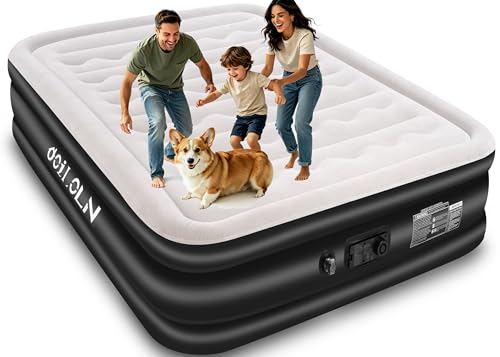
RV Air Mattress with Built-In Pump: The Complete Comfort Guide
Transform your RV sleeping quarters with an air mattress that inflates in minutes. Learn how to choose the right size, thickness, and pump type for restful nights on every adventure.
VIEW RECOMMENDED MODELSWhy an RV Air Mattress with Built-In Pump Belongs in Your Rig
Space is precious inside a recreational vehicle. Every inch of storage counts, and every piece of furniture must earn its place. An RV air mattress with built-in pump solves one of the biggest challenges RV owners face: providing comfortable, guest-ready sleeping space without permanently sacrificing floor area or storage capacity.
Unlike traditional RV mattresses that stay fixed in place, an inflatable mattress with an integrated pump can be deployed in minutes when guests arrive, then deflated and stowed away when the space is needed for daytime activities. The built-in pump eliminates the hassle of hunting for a separate inflator or manually blowing up the mattress—a task that quickly becomes exhausting on larger sizes.
For RV owners who frequently host visitors, travel with family, or simply want a backup sleeping solution for unexpected overnight guests, an air mattress with built-in pump is one of the most practical investments you can make. The convenience factor alone justifies the purchase, but modern models also deliver genuine comfort that rivals traditional mattresses.
How to Choose the Right RV Air Mattress with Built-In Pump
Not all inflatable mattresses are created equal, and the RV environment imposes unique requirements that differ from typical home use. Vibration from travel, temperature fluctuations, limited floor space, and the need for quick setup and takedown all influence which model will serve you best. Here are the key factors to evaluate before buying.
Size and Dimensions
The first consideration is physical fit. Measure the available floor space in your RV where the mattress will be used—whether that's a dedicated bedroom area, a dinette conversion, or a living room floor. Common sizes include twin, full, queen, and king. A queen-size air mattress with built-in pump is the most popular choice for couples, while a full-size airbed with built-in pump works well for single adults or smaller spaces. If your RV has a dedicated king sleeping area, a king air mattress with built-in pump provides maximum room. For compact RVs or bunk areas, a twin air mattress with built-in air pump may be the only option that fits.
Thickness and Height
Mattress thickness dramatically affects comfort and ease of use. Thin mattresses—typically around 8 to 10 inches—are lighter and pack smaller, but they offer less cushioning and can bottom out under heavier sleepers. Thicker models, often 18 to 24 inches, provide a more bed-like feel and make it easier to get in and out of bed. A raised air mattress with built-in pump is especially helpful for older campers or anyone with mobility concerns. For a true bed-height experience, consider an 18-inch air mattress with built-in pump or even a 24-inch twin air mattress with built-in pump for single sleepers who want maximum height.
Pump Type: Electric vs. Battery
The built-in pump is the defining feature of these mattresses, and it comes in two main varieties. Electric pumps require access to a power source—typically a standard wall outlet or a 12-volt DC socket in your RV. They inflate quickly and powerfully, making them ideal for RVs with reliable power. Battery-powered pumps offer greater flexibility since they can be used anywhere, but they may inflate more slowly and require charging between uses. If you frequently camp off-grid or want to use the mattress outside the RV, an air mattress with built-in battery pump is worth considering. For those who prefer to avoid electricity entirely, an air mattress that doesn't need electricity uses manual or foot pumps instead.
Comfort Features
Beyond basic inflation, look for comfort-enhancing features. Flocked tops provide a soft, fabric-like surface that prevents sheets from sliding and adds a layer of warmth. Internal coil or air chamber systems can mimic the support of a traditional mattress better than simple single-chamber designs. Some premium models include built-in headboards for added support and a more furniture-like appearance—a air mattress with built-in pump and headboard can be a stylish addition to an RV guest room. Edge support is another consideration; mattresses with reinforced edges make it easier to sit on the side without sliding off.
Durability and Materials
RV travel exposes mattresses to vibration, temperature swings, and repeated inflation cycles. Look for models made from puncture-resistant materials such as heavy-duty PVC or TPU. Welded seams are more durable than glued seams. If you plan to use the mattress nightly rather than occasionally, invest in a model designed for long-term use—a good air mattress for long-term use will have thicker materials and better construction. For everyday use, a most durable air mattress for everyday use is engineered to withstand constant inflation and deflation without developing leaks.
Comparing RV Air Mattress Options by Tier
To help you navigate the market, here's a comparison of typical features you'll find across different quality tiers. Remember that higher tiers generally offer better materials, more comfortable sleeping surfaces, and longer lifespans.
| Feature | Entry-Level | Mid-Range | Premium |
|---|---|---|---|
| Material | Standard PVC | Reinforced PVC or TPU | Heavy-duty TPU or laminated fabric |
| Thickness | 8–12 inches | 14–18 inches | 18–24 inches |
| Pump Type | Basic electric or manual | Electric with auto-shutoff | Dual electric/battery with smart features |
| Comfort Surface | Vinyl | Flocked top | Flocked top with extra padding |
| Warranty | Limited | 1–2 years | 3+ years |
| Best For | Occasional guests | Regular weekend trips | Full-time RV living or frequent hosting |
Mid-range models typically offer the best balance of comfort, durability, and value for most RV owners. They inflate quickly, sleep comfortably, and hold up well to regular use without the premium price of top-tier models. Entry-level options work fine for occasional use, while premium mattresses are best for those who sleep on them nightly or want the closest possible experience to a traditional bed.
Setting Up and Caring for Your RV Air Mattress
Getting the most from your investment requires proper setup and maintenance. Here's how to ensure your mattress stays comfortable and leak-free for years.
Initial Setup
When you first unbox your mattress, inflate it fully and let it sit for several hours—ideally overnight—before sleeping on it. New PVC and TPU materials stretch slightly during the first inflation, and allowing the mattress to settle prevents the "softening" effect that many users notice after the first night. After this initial settling period, top off the air as needed.
Placement in Your RV
Before placing the mattress, ensure the floor or sleeping surface is clean and free of sharp objects. Debris, small rocks, or even crumbs can cause punctures over time. If your RV has a slide-out or dinette conversion, verify that the mattress fits without being compressed against walls or furniture—excess pressure can stress seams. For dinette conversions, a double blow-up bed with built-in pump often fits the space perfectly.
Inflation Tips
Most built-in pumps inflate a queen-size mattress in two to five minutes. Avoid over-inflating; a properly inflated mattress should feel firm but still have a slight give when you press on it. Over-inflation increases the risk of seam failure, especially in warm environments where air expands. In hot weather, under-inflate slightly to allow for expansion. Conversely, in cold weather, the air inside will contract, so you may need to add air after the mattress cools to room temperature.
Deflation and Storage
When deflating, open the valve fully and let the pump run until most of the air is expelled. Then, fold the mattress loosely and press out remaining air. Avoid folding the mattress tightly along the same creases every time—this can weaken the material over time. Store the mattress in its carrying bag in a cool, dry place away from direct sunlight and extreme temperatures. UV exposure degrades PVC and TPU, so never store the mattress where it will be exposed to sunlight for extended periods.
Cleaning and Maintenance
Wipe down the flocked surface with a damp cloth and mild soap after each use. Avoid harsh chemicals or abrasive cleaners, which can damage the material. For deeper cleaning, use a mixture of water and white vinegar. Check the mattress periodically for small leaks by inflating it and listening for hissing sounds or feeling for escaping air. Most minor punctures can be repaired with the patch kit included with the mattress.
Common Uses for RV Air Mattresses
While the primary purpose is providing sleeping space in an RV, these versatile mattresses serve many roles. Understanding the range of uses can help you choose the right model for your needs.
- Guest sleeping: When friends or family visit, an RV air mattress turns any floor space into a comfortable bed. The built-in pump means setup takes minutes, not hours.
- Full-time RV living: Some RVers use air mattresses as their primary bed because they can be customized for firmness and replaced easily. A inflatable air bed with built-in pump designed for daily use is essential in this scenario.
- Extra sleeping space for kids: Families traveling with children often use air mattresses to create separate sleeping areas. A single bed air mattress with built-in pump is ideal for one child, while larger families may need multiple units.
- Temporary bed during RV renovations: If you're remodeling your RV's bedroom, an air mattress provides a comfortable place to sleep while work is in progress.
- Backup bed for home emergencies: Many RV owners keep an air mattress in the RV even when not traveling, ready for power outages or unexpected guests at home.
Pro Tip: Layer for Comfort
Even the best air mattress benefits from a mattress topper. A memory foam mattress topper with cooling gel adds pressure relief and temperature regulation, transforming a basic air mattress into a genuinely comfortable bed. For side sleepers, a mattress topper for side sleepers with hip pain can make a significant difference in sleep quality.
Related Products for Your RV Sleeping Setup
An air mattress is just one part of creating a comfortable RV sleeping environment. Consider these complementary products to complete your setup.
- Sleeping bags with air mattress built in — all-in-one solutions that combine insulation and cushioning.
- All-in-one sleeping bag and mattress — perfect for minimalist campers who want one piece of gear instead of two.
- Raised queen air mattress with built-in pump — for a more bed-like height and easier access.
- Double high air mattress with built-in pump — extra height for comfort and easier getting in and out.
- Cheap air mattress with built-in pump — budget-friendly options for occasional use.
- Small air mattress with built-in pump — for tight spaces and solo travelers.
- Camping air beds with built-in pump — versatile options that work for both tent camping and RV use.
- RV parks within 100 miles of me — find campgrounds near you to test your new setup.
- RV campgrounds on the beach east coast — coastal destinations perfect for RV adventures.
- 12 volt LED lights for RV exterior — enhance your RV's exterior lighting for evening relaxation.
Frequently Asked Questions About RV Air Mattresses
What is an RV air mattress with built-in pump?
An RV air mattress with built-in pump is an inflatable sleeping surface designed specifically for recreational vehicles. It features an integrated electric or battery-powered pump that inflates and deflates the mattress without requiring external equipment, making setup and storage quick and convenient.
What size RV air mattress should I choose?
Choose a size based on your RV's available sleeping area and the number of sleepers. Twin and full sizes suit single sleepers or compact spaces, while queen and king sizes provide more room for couples or families. Always measure your RV's sleeping quarters before purchasing to ensure a proper fit.
Are RV air mattresses with built-in pumps comfortable for long-term use?
Yes, mid-range and premium RV air mattresses with built-in pumps offer excellent comfort for extended trips. Look for features like thicker construction, flocked tops, and internal support structures to enhance durability and sleeping comfort. For nightly use, invest in a model specifically designed for long-term or everyday use.
How long does it take to inflate an RV air mattress?
Most built-in electric pumps inflate a queen-size mattress in two to five minutes. Larger sizes like king may take slightly longer, while twin sizes inflate more quickly. Battery-powered pumps may take a bit longer than electric models but offer greater portability.
Can I use an RV air mattress outside the RV?
Absolutely. RV air mattresses are versatile and can be used for tent camping, guest beds at home, or even as temporary sleeping solutions during moves or renovations. Battery-powered or manual pump models are especially convenient for off-grid use.
How do I prevent my RV air mattress from losing air?
Prevent air loss by avoiding over-inflation, placing the mattress on a clean surface free of sharp objects, and storing it properly when not in use. Check the valve and seams regularly for signs of wear. Most minor punctures can be repaired with a patch kit.