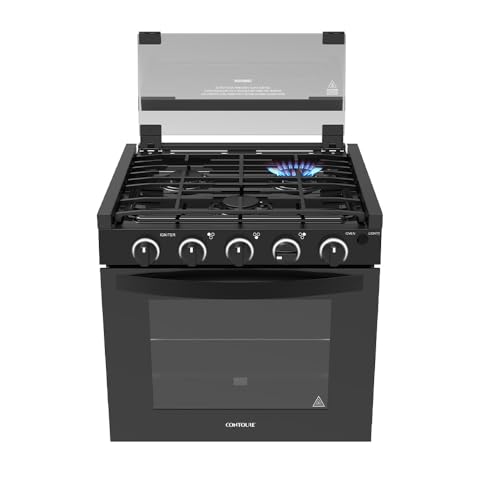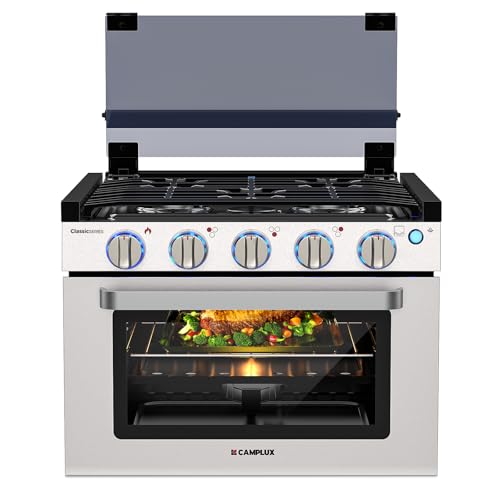
Propane RV Stove: The Complete Guide to Cooking on the Road
Everything you need to know about choosing, using, and maintaining a propane RV stove. Compare types, understand safety features, and find the perfect cooking setup for your camper.
START YOUR RESEARCHWhy a Propane RV Stove? Unlike electric cooktops that drain your battery, propane stoves deliver instant, consistent heat and work even when you're off-grid. They're the backbone of RV kitchens—reliable, efficient, and easy to refill. Whether you're a weekend warrior or a full-time nomad, the right stove transforms your camper into a true home on wheels.
Why Propane Remains the Top Choice for RV Cooking
Propane has been the standard for RV cooking for decades—and for good reason. It offers high heat output, precise temperature control, and doesn't rely on your RV's electrical system. When you're parked at a remote campsite, a propane RV stove lets you cook a full meal without worrying about draining your house batteries or running a generator.
Modern propane stoves are also incredibly safe. Built-in models feature flame-failure devices that cut gas flow if the flame goes out, and many come with sealed burners that make cleanup effortless. If you're comparing fuel types, you might also consider butane canisters for smaller portable setups, but propane remains the most practical choice for built-in RV kitchens due to its availability and cold-weather performance.
Another advantage? Propane is widely available at campgrounds, hardware stores, and gas stations across North America. Refilling a standard tank is quick and affordable, and you can carry a spare for extended trips. For those who prefer a more traditional cooking experience, a single-burner stove can complement your main RV cooktop for quick morning coffee or a simple lunch outside.
Types of Propane RV Stoves: Built-In vs. Portable
When shopping for a propane stove for your RV, you'll encounter two main categories: built-in models that permanently install in your camper's kitchen, and portable units you can set up on a picnic table or countertop. Each has distinct advantages depending on your travel style.
Built-In RV Stoves
Mid-range to Premium- Permanently installed in your RV's countertop
- Connected to your onboard propane system
- Typically 2–3 burners with precise control
- Often includes a range hood and oven
- Sealed burners for easy cleaning
- Flame-failure safety devices standard
- Best for full-time RVers and families
Portable Propane Stoves
Entry-level to Mid-range- Lightweight and easy to transport
- Use 1-pound canisters or refillable tanks
- 1–2 burners, foldable design
- Can be used outside for camp cooking
- No installation required
- Some models accept larger tanks via adapter hose
- Best for occasional campers and backup cooking
Built-in stoves are the go-to for anyone who cooks regularly in their RV. They're designed to integrate seamlessly with your camper's propane lines and often include features like electronic ignition and cast-iron grates. On the other hand, a portable stove offers flexibility—you can use it on a picnic table, at a tailgate, or as a backup when your built-in needs repair. For those with compact campers, a stove designed specifically for camper use might be the perfect middle ground.
If you're considering a portable option, keep in mind that some models are designed for pellet fuel instead of propane, which can be useful for specific cooking styles. However, for most RVers, propane remains the most versatile and reliable fuel source.
Key Features to Look For in a Propane RV Stove
Not all propane stoves are created equal. When evaluating models, pay attention to these critical features that affect performance, safety, and convenience.
Must-Have Features
- Flame-failure device: Automatically shuts off gas if the flame goes out—essential for safety.
- Electronic ignition: Eliminates the need for matches or lighters, especially useful in windy conditions.
- Sealed burners: Prevent spills from leaking into the stove's interior, making cleanup much easier.
- Cast-iron grates: Provide stable, even heat distribution and hold up to heavy cookware.
- Adjustable flame control: Lets you simmer delicate sauces or crank up the heat for searing.
- Built-in thermometer (for ovens): Ensures accurate baking temperatures.
Nice-to-Have Upgrades
- Glass or stainless steel lid: Adds counter space when closed and protects burners when not in use.
- Built-in spark igniter: More convenient than manual push-button ignition.
- Dual fuel capability: Some stoves can run on propane or butane for international travel.
- Low-profile design: Maximizes precious counter space in smaller RVs.
- Quick-connect fittings: Makes hooking up to your RV's propane system faster.
If you're new to RV cooking, start with a model that includes the must-have features. As you gain experience, you can upgrade to a stove with more premium touches. For those who also enjoy cooking over a fire, a folding campfire grill can complement your propane setup for a more rustic experience.
Propane Stove Safety: What Every RVer Should Know
Propane is a safe and efficient fuel when handled properly. However, neglecting basic safety practices can lead to dangerous situations. Here's what you need to know to cook safely in your RV.
Ventilation is non-negotiable. Even a small propane flame consumes oxygen and produces carbon monoxide. Always crack a window or turn on your range hood when cooking. If your RV doesn't have a built-in hood, open a vent or window near the stove. Never use a portable propane stove inside a closed camper—these are designed for outdoor use only.
Check your connections regularly. Before each trip, inspect your propane hose and regulator for cracks, fraying, or loose fittings. A soapy water solution brushed onto connections will reveal leaks—if bubbles form, tighten or replace the component. Many RVers keep a basic tool kit handy for quick fixes on the road.
Store propane safely. Always transport propane tanks upright and secured. Never store them inside your RV's living space—use a dedicated exterior compartment or a rack on the tongue. If you're boondocking, a communication device can be a lifesaver in case of an emergency, so you can call for help if you ever smell gas or suspect a leak.
For a comprehensive safety checklist, refer to our guide on campfire safety rules—many of the same principles apply to propane cooking, including never leaving a flame unattended and keeping a fire extinguisher nearby.
Maintenance Tips for Long-Lasting Performance
A well-maintained propane RV stove can last for many years. Here's how to keep yours in top condition:
Clean after every use. Wipe down the stovetop with a damp cloth once it has cooled. For deeper cleaning, remove the grates and burner caps, then wash them in warm soapy water. Avoid abrasive cleaners that can scratch stainless steel or enamel surfaces. A soft brush works well for stubborn residue around burner ports.
Check burner ports. Over time, food particles or debris can clog the small holes where gas escapes. If you notice an uneven flame or a burner that won't light, turn off the propane and use a pin or fine wire to clear the ports. A compact tool set with a small pick can be handy for this task.
Inspect the regulator and hose. The regulator controls gas pressure, and a failing regulator can cause weak flames or dangerous leaks. Replace the hose every few years or at the first sign of cracking. If you're unsure about your RV's propane system, consult a professional—it's not a DIY project for beginners.
Store your RV properly. If you're putting your camper in storage for the winter, disconnect the propane tank and store it in a well-ventilated area. Cover the stove to keep dust and insects out. For extended trips in cold weather, a winter camping heater can supplement your RV's furnace, but never use a propane stove as a primary heat source.
Getting the Most Out of Your Propane RV Stove
Cooking in an RV kitchen is different from cooking at home—space is limited, ventilation is crucial, and you may be working with a smaller stovetop. Here are some practical tips to make the most of your propane stove:
Choose the right cookware. Flat-bottomed pots and pans with heavy bases distribute heat evenly and are less likely to tip on RV grates. Avoid oversized cookware that can block burners or cause uneven heating. Nesting cookware sets are a popular choice among RVers for their space-saving design.
Preheat and plan. Propane stoves heat up quickly, so preheating is rarely necessary. Plan meals that use similar cooking temperatures to minimize adjusting the flame. One-pot meals are perfect for RV cooking—they're easy to clean up and don't require multiple burners.
Use a lid. Covering pots and pans traps heat and speeds up cooking, which saves propane. This is especially useful when you're trying to conserve fuel on a long boondocking trip. If you're camping in cold weather, a winter camping gear guide can help you plan meals that are both warming and efficient.
Clean as you go. Wipe up spills immediately to prevent them from baking onto the stove surface. A small squeeze bottle of vinegar and water makes a great natural cleaner for quick touch-ups. Keeping your stove clean also reduces the risk of grease fires—a serious concern in any kitchen, but especially in a confined RV space.
For more outdoor cooking inspiration, explore our guide to camping and outdoors activities, which includes tips on everything from campfire cooking to Dutch oven baking.
Ready to Upgrade Your RV Kitchen?
Browse our curated selection of propane RV stoves and accessories. Whether you need a compact two-burner for weekend trips or a full-featured range for full-time living, we've got you covered.
VIEW RECOMMENDED STOVESFrequently Asked Questions About Propane RV Stoves
What size propane tank does an RV stove need?
Most RV stoves connect to the onboard propane system, which uses standard 20-pound or 30-pound refillable tanks. Portable models often accept 1-pound disposable canisters. Always check the regulator and hose compatibility before connecting.
Is a propane RV stove safe to use inside?
Yes, when properly installed and ventilated. Built-in RV stoves are designed for indoor use with adequate ventilation. Portable camping stoves should only be used outdoors or in well-ventilated spaces to prevent carbon monoxide buildup.
How do I clean a propane RV stove?
Remove grates and burner caps, then wash with warm soapy water. Wipe the stainless steel or enamel surface with a non-abrasive cleaner. Check burner ports for clogs and clear them with a pin if needed. Always disconnect the propane before deep cleaning.
Can I use a propane RV stove with a large tank?
Yes, many RV owners connect their stove to larger 20-pound or 30-pound tanks using a proper regulator and hose. This is common for extended trips and avoids frequent canister changes. Always use a certified hose and regulator for safety.
What should I do if I smell propane while cooking?
Immediately turn off the stove and the propane supply at the tank. Open all windows and doors to ventilate the RV. Do not operate any electrical switches or create sparks. Once the area is ventilated, check all connections with soapy water to find the leak. If you cannot locate or fix the leak, evacuate the RV and call a professional.
For more information on RV appliances and camping essentials, explore our guide to camping stuff or learn about overlanding gear for extended off-road adventures.