Overlanding Gear: The Complete Equipment Guide for Off-Road Adventures
Everything you need to know about building a reliable overlanding setup — from vehicle recovery gear and camping equipment to navigation tools and power solutions for remote travel.
EXPLORE GEAR CATEGORIESThe Overlanding Difference: Unlike traditional camping, overlanding combines vehicle-based travel with self-sufficient exploration. Your gear must handle rough terrain, remote locations, and extended time off-grid. This guide covers the essential equipment categories that experienced overlanders rely on for safe, comfortable journeys.
Why Your Overlanding Gear Setup Matters
Overlanding takes you far beyond the reach of paved roads and established campgrounds. A well-planned gear setup addresses three critical needs: vehicle capability, self-sufficiency, and emergency preparedness. Whether you're exploring forest service roads or crossing remote desert terrain, the right equipment makes the difference between a challenging adventure and an unsafe situation.
Experienced overlanders understand that gear choices involve trade-offs between weight, durability, and versatility. The goal isn't to carry everything — it's to carry exactly what you need for your specific routes and conditions. Many travelers start with a basic camping tools setup and gradually expand their kit based on real-world experience.
Essential Overlanding Gear Categories
Vehicle Recovery Equipment
The foundation of any overlanding setup. Recovery gear helps you self-rescue when tires lose traction or the vehicle gets stuck in mud, sand, or snow.
- Recovery straps and kinetic ropes
- D-rings and shackles (rated)
- Traction boards (sand/snow)
- Portable winch or hand winch
- Tire deflator and portable air compressor
Overland Camping Shelter
Your shelter must withstand wind, rain, and temperature swings while packing efficiently for vehicle travel. Roof-top tents and ground tents each have distinct advantages.
- Roof-top tent (hard shell or soft)
- Ground tent with heavy-duty stakes
- Awning or pop-up awning
- Sleeping platform or sleeping mat
- Weatherproof storage bags
Mobile Kitchen & Cooking
Preparing meals reliably in remote locations requires sturdy, wind-resistant cooking equipment and organized food storage.
- Two-burner stove for camper
- Portable single stove burner
- Propane or butane fuel system
- Cooler or portable fridge
- Cookware, utensils, and cleaning supplies
Power & Electrical Systems
Reliable power keeps navigation devices, communication gear, and camp lighting running during extended trips off the grid.
- Portable power station
- Solar charger panels
- Dual battery system (vehicle)
- 12V accessories and inverters
- LED camp lighting
Navigation & Communication
When cell service disappears, you need dependable tools to navigate terrain and stay in contact during emergencies.
- Handheld GPS device
- Offline maps apps
- Two-way radios
- Satellite communicator
- Paper maps and compass backup
Water & Survival Essentials
Water storage, filtration, and basic survival tools are non-negotiable when traveling through areas without reliable water sources.
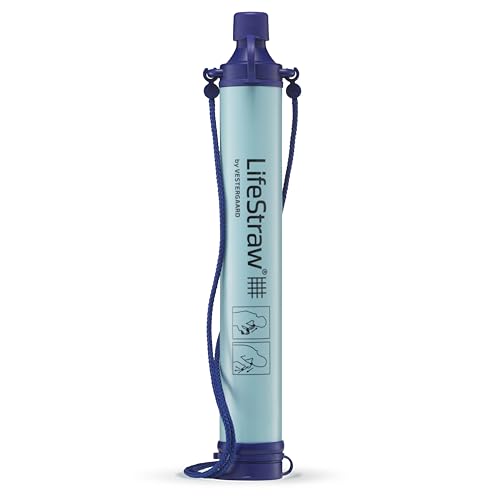
- Portable water filter
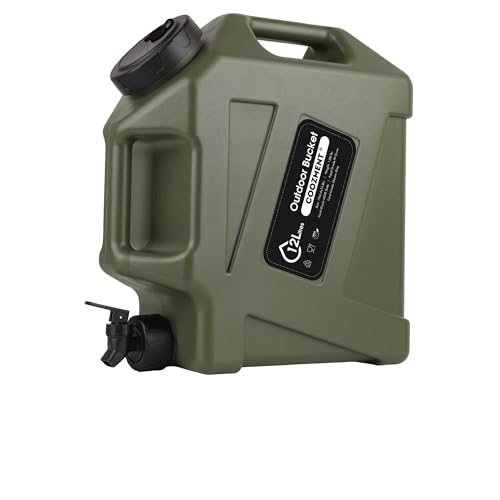
- Water storage containers (food-grade)
- First aid kit
- Emergency preparedness kit
- Fire starting tools and folding campfire grill
Vehicle Storage & Organization
Efficient storage keeps gear secure, accessible, and protected from dust and moisture during rough travel.
- Roof rack and cargo box
- Drawer systems for vehicle rear
- Dry bags and waterproof cases
- Cargo trailer camper conversion
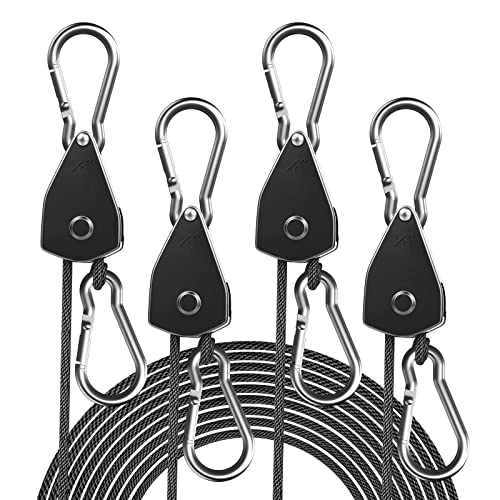
- Mounting brackets and tie-downs
Clothing & Personal Gear
Layering systems and durable clothing protect against weather extremes while remaining comfortable for driving and camp tasks.
- Layering clothing system
- Weatherproof outer shell
- Durable boots for varied terrain
- Sun protection (hat, sunglasses, sunscreen)
- Headlamp and personal lighting
Overlanding Gear Tiers: What to Expect
Understanding the differences between entry-level, mid-range, and premium gear helps you make informed decisions based on your travel frequency and terrain difficulty. The table below outlines general characteristics across tier levels.
| Gear Category | Entry-Level | Mid-Range | Premium |
|---|---|---|---|
| Recovery Gear | Basic straps and D-rings | Kinetic ropes, traction boards | Winches, full recovery kits |
| Shelter | Standard ground tent | Quality ground tent or soft RTT | Hard-shell RTT, integrated awning |
| Cooking | Single burner, basic cookware | Two-burner, organized kitchen | Dual-fuel, portable fridge, full setup |
| Power | Basic power bank | Portable power station | Dual battery, solar array |
| Navigation | Smartphone with offline maps | Handheld GPS, two-way radios | Satellite communicator, GPS + backup |
How to Build Your Overlanding Gear Setup
Building an effective overlanding kit is an iterative process. Start with the essentials for your first trips, then expand based on actual needs rather than hypothetical scenarios. Here's a practical approach:
- Start with safety and recovery: Before adding comfort items, ensure you can handle basic vehicle recovery and emergency situations. This includes rated recovery points, a quality strap, and a first aid kit.
- Match shelter to your routes: If you frequently camp in established areas, a ground tent works well. For remote dispersed camping, a roof-top tent offers quicker setup and better protection from ground conditions.
- Prioritize power for your devices: Calculate your daily power needs (navigation, communication, lighting, fridge) and choose a power solution that covers at least two days without recharging. Many overlanders combine a portable power station with a solar charger.
- Organize before you expand: A place for everything prevents gear chaos. Drawer systems, roof boxes, and labeled dry bags keep equipment accessible and protected.
- Test your setup locally: Before a major trip, do a weekend shakedown run. This reveals what you actually use and what stays packed. Adjust accordingly.
- Consider a trailer for extended trips: For longer journeys, a cargo trailer camper or teardrop camper trailer provides additional storage and can serve as a base camp.
Maintaining Your Overlanding Gear
Dust, moisture, and vibration take a toll on equipment. Regular maintenance extends the life of your gear and ensures it performs when needed:
- Inspect recovery gear before every trip: Check straps for fraying, D-rings for deformation, and winch cables for kinks. Replace damaged components immediately.
- Clean and dry shelter equipment: After each trip, set up your tent or awning to dry completely. Store it loosely folded in a dry location.
- Service your stove and fuel system: Clean burner heads, check hoses for cracks, and store fuel containers safely. For propane RV stoves, inspect regulators regularly.
- Test power systems: Cycle your power station or dual battery system periodically. Check solar panel connections for corrosion.
- Update navigation devices: Before trips, download updated maps and charge all communication devices. Verify that your satellite communicator subscription is active.
Frequently Asked Questions About Overlanding Gear
What is the most important overlanding gear to start with?
Start with vehicle recovery gear and a basic first aid kit. These address safety and self-rescue, which are fundamental to any off-road travel. From there, add shelter, cooking equipment, and power based on your specific routes and needs. Many beginners find that a basic camping stuff setup combined with recovery essentials covers their first several trips.
Do I need a roof-top tent for overlanding?
Not necessarily. While roof-top tents offer quick setup and protection from ground conditions, many successful overlanders use quality ground tents. The choice depends on your preferred camping style, vehicle setup, and budget. Ground tents are generally more affordable and allow you to base camp away from your vehicle. Roof-top tents excel when you move camp frequently or camp in areas with rough or wet ground.
How much power do I need for overlanding?
Calculate your daily consumption: navigation devices, communication gear, lighting, and a portable fridge are the main draws. A mid-range portable power station typically covers two to three days of essential device charging and lighting. For extended trips or if you run a fridge, combine a larger power station with a solar charging setup to replenish daily.
What recovery gear is essential for overlanding?
At minimum, carry a rated recovery strap, two rated D-rings or shackles, and gloves. Traction boards are highly recommended for sand, mud, or snow. A portable air compressor and tire deflator allow you to adjust tire pressure for different terrain, which is often the simplest and most effective recovery technique. For frequent remote travel, consider adding a winch or hand winch.
How do I organize gear in my overlanding vehicle?
Organization is critical for safety and efficiency. Use drawer systems for heavy items low in the vehicle. Store recovery gear in an accessible location — not buried under camping equipment. Keep navigation and communication devices within reach from the driver's seat. Use labeled dry bags or storage boxes for cooking gear, clothing, and personal items. A roof-top tent for full-size truck or cargo box can free up interior space for passengers and essential gear.
Ready to Build Your Overlanding Setup?
Start with the essentials, test your gear on local trips, and expand based on real experience. The best overlanding setup is one that matches your travel style and keeps you safe in remote terrain.
VIEW RECOMMENDED GEAR