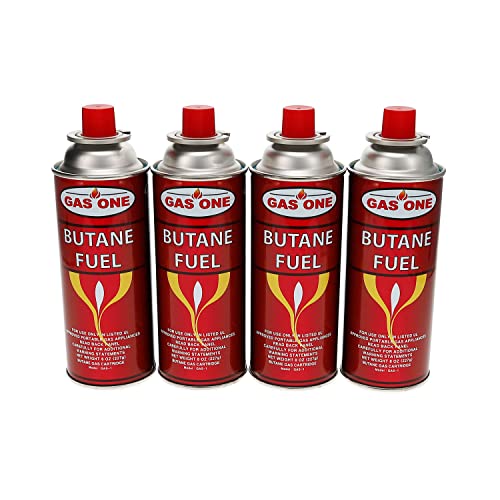
Butane for Stove: The Complete Guide to Fuel, Safety & Performance
Everything you need to know about choosing, using, and storing butane canisters for camping stoves — from fuel types and compatibility to cold-weather performance and safety.
START THE GUIDEWhy Butane Matters for Your Stove: The fuel you choose directly affects how well your stove performs, how safe your camp kitchen is, and how much you enjoy your outdoor cooking experience. Butane is one of the most popular stove fuels for good reason — but it's not without quirks.
This guide walks you through everything a research-stage buyer needs to know: what butane is, how it compares to other fuels, which canisters work with which stoves, cold-weather limitations, safety rules, and how to get the most out of every canister.
What Is Butane and Why Use It for Stove Cooking?
Butane is a highly flammable, colorless, and odorless gas that liquefies under moderate pressure. In camping stoves, it is stored in sealed canisters and released as a gas to feed a burner. When you press the ignition or light the burner, the gas mixes with air and produces a clean, hot flame that is ideal for cooking.
Butane is popular among campers because it burns efficiently, produces consistent heat, and is widely available in pre-filled canisters. It is also the primary fuel in many single-burner stoves and is often used in propane-RV stove systems as a blend component. If you're building a camp kitchen around a stove for camper setups, understanding butane is essential.
Compared to white gas or alcohol, butane requires less priming, produces no soot, and offers precise flame control — which is why it's the go-to fuel for most casual campers and backpackers.
Butane vs. Propane vs. Isobutane: Which Fuel Is Right for You?
Not all stove fuels are created equal. The three most common options — butane, propane, and isobutane — each have distinct advantages and drawbacks. Understanding these differences helps you choose the right fuel for your stove and your camping style.
| Fuel Type | Best For | Cold Weather Performance | Canister Compatibility |
|---|---|---|---|
| Butane | Warm-weather camping, car camping, casual use | Poor below 40°F (4°C) — pressure drops significantly | Standard butane canisters (not interchangeable with propane) |
| Propane | Cold weather, high-output cooking, RV use | Good down to -40°F (-40°C) — reliable in freezing temps | Propane cylinders (1 lb or bulk tanks) |
| Isobutane | Backpacking, three-season camping, cold mornings | Better than butane — works down to about 20°F (-6°C) | Lindal valve canisters (common in backpacking stoves) |
Many campers use a butane-propane blend (often called "iso-butane mix") that combines the cold-weather reliability of propane with the clean-burning efficiency of butane. If you frequently camp in chilly conditions, consider a propane-RV stove or a stove that accepts blended canisters.
How to Choose the Right Butane Canister for Your Stove
Butane canisters are not universal. The wrong canister won't fit your stove, and in some cases, using an incompatible canister can be dangerous. Here's what to check before you buy.
Canister Compatibility Checklist
- Valve type: Most butane stoves use a standard bayonet or Lindal valve. Check your stove's manual for the required connector type.
- Canister size: Common sizes include 8 oz, 16 oz, and larger bulk canisters. Match the size to your stove's fuel intake and your trip length.
- Pressure rating: Ensure the canister is rated for the operating pressure of your stove. Never use a canister that shows signs of damage or corrosion.
- Brand compatibility: Some stove manufacturers recommend specific canister brands. While many are interchangeable, sticking with the recommended brand reduces risk.
- Seasonal blends: For cold-weather trips, look for butane canisters blended with propane or isobutane to maintain pressure.
If you're using a fuel tablet stove as a backup, keep in mind that butane canisters and fuel tablets are not interchangeable — each requires its own fuel type. For a more permanent camp kitchen, a stove for camper that accepts standard butane canisters is often the most convenient choice.
Butane Performance in Cold Weather: What You Need to Know
Butane's biggest weakness is cold weather. As the temperature drops, butane's vapor pressure decreases, which means less gas is released to the burner. At around 40°F (4°C), performance becomes noticeably sluggish. Below freezing, a pure butane canister may barely produce a flame at all.
If you camp in cold conditions, here are your options:
- Use a butane-propane blend: Blended canisters maintain pressure better in cold weather.
- Keep canisters warm: Store canisters in your sleeping bag or inside your jacket before use. Never heat a canister with an open flame or direct heat source.
- Switch to propane: For winter camping, a propane-RV stove or a propane-powered camp stove is far more reliable.
- Use a liquid-fuel stove: White gas stoves work well in extreme cold, though they require more maintenance.
For more cold-weather cooking strategies, see our guide on winter camping gear and winter camping tips.
⚠️ SAFETY FIRST: Never use a butane stove inside a tent, RV, or enclosed space. Butane produces carbon monoxide, an odorless and potentially fatal gas. Always cook in a well-ventilated area. Keep canisters away from heat sources, and never puncture or incinerate empty canisters. Store canisters upright in a cool, dry place.
Butane Safety and Storage: Best Practices for Campers
Butane is safe when handled correctly, but it demands respect. Here are the essential safety and storage rules every camper should follow:
Butane Safety Rules
- Ventilation is non-negotiable: Always use butane stoves outdoors or in well-ventilated areas. Carbon monoxide poisoning is a real risk in enclosed spaces.
- Check for leaks: Before lighting your stove, listen for hissing sounds and smell for gas. If you suspect a leak, turn off the canister and check the connection.
- Store canisters upright: Store butane canisters in an upright position in a cool, dry place away from direct sunlight.
- Never store near heat: Keep canisters away from campfires, heaters, and direct sun. Butane canisters can explode if overheated.
- Transport safely: Secure canisters in your vehicle so they don't roll around or get damaged. Do not leave them in a hot car.
- Dispose properly: Empty canisters should be recycled according to local regulations. Never throw them in a campfire.
- Check expiration: While butane doesn't technically expire, canisters can corrode over time. Inspect before use.
For more on campfire and stove safety, see our guides on campfire safety rules and fire ban guide. If you're camping in bear country, always follow food storage rules and keep your cooking area clean.
How to Get the Most Out of Your Butane Canister
A few simple habits can stretch every canister and improve your cooking experience:
- Use a windbreak: Wind steals heat and wastes fuel. A simple aluminum windscreen around your stove can cut fuel consumption significantly.
- Preheat when possible: In cool weather, warm the canister in your hands or inside your jacket before attaching it to the stove.
- Cook efficiently: Use a lid on your pot, avoid boiling more water than you need, and turn off the stove as soon as you're done.
- Don't shake the canister: Shaking a butane canister can cause liquid fuel to enter the valve, leading to flare-ups.
- Keep spare canisters: Always carry a spare canister on multi-day trips. Running out of fuel mid-meal is a frustrating experience.
If you're new to camping stoves, our first-time camping tips and camping FAQ sections can help you avoid common mistakes. For gear recommendations, explore our camping tools and camping stuff guides.
Frequently Asked Questions About Butane for Stoves
Can I use butane in any camping stove?
No. Butane canisters require a compatible valve and connector. Always check your stove's manual for the recommended fuel type and canister specification. Using an incompatible canister can be dangerous.
Is butane the same as propane?
No. Butane and propane are different gases with different boiling points and pressure characteristics. Propane performs better in cold weather, while butane burns slightly cleaner and is often more readily available in small canisters.
Why does my butane stove stop working in cold weather?
Butane's vapor pressure drops as temperatures fall. Below 40°F (4°C), the canister may not release enough gas to sustain a flame. Switching to a butane-propane blend or keeping the canister warm can help.
How should I store butane canisters?
Store them upright in a cool, dry place away from direct sunlight, heat sources, and flammable materials. Never store butane canisters inside a hot vehicle or near a campfire.
Can I refill butane canisters?
Most disposable butane canisters are not designed to be refilled. Attempting to refill them can be dangerous. Use refillable canisters only if they are specifically designed for that purpose and you follow the manufacturer's instructions.
Further Reading & Related Guides
Now that you understand butane for stoves, you might want to explore related topics:
- Single Stove Burner Guide — compact cooking solutions for solo campers.
- Propane RV Stove Guide — when propane is a better choice than butane.
- Stove for Camper Guide — choosing the right stove for your camper setup.
- Fuel Tablet Stove Guide — a lightweight backup option.
- Camping Tools — essential tools for your camp kitchen.
- Camping Suppliers — where to find quality camping gear.
Whether you're a weekend car camper or a serious backcountry explorer, understanding butane for stoves helps you cook better, stay safe, and enjoy your time outdoors. For more guides, check out our camping and outdoors section.