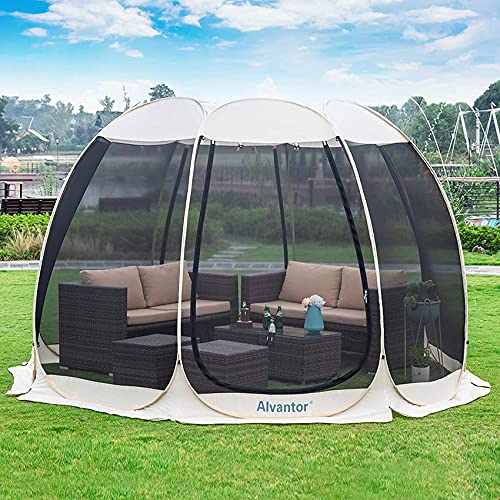
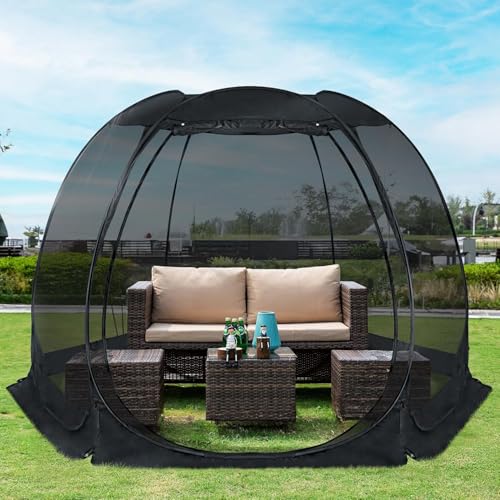
Pop Up Screen House: Your Instant Bug-Free Sanctuary
Discover how a pop up screen house can transform your camping experience, providing a comfortable, insect-free outdoor living space that sets up in seconds.
Explore the GuideThe CampLifeEssentials Promise: A pop up screen house is one of the most underrated pieces of camping gear. It extends your living space, protects you from bugs, and offers a shaded retreat. This guide will help you understand the features, benefits, and top considerations so you can choose the perfect one.
What Is a Pop Up Screen House?
A pop up screen house, also known as an instant screen house or screen tent, is a freestanding shelter designed to keep insects out while letting fresh air in. Unlike a traditional camping tent, a screen house is primarily used as an outdoor room—a place to eat, relax, or escape the bugs without being confined to your sleeping quarters.
The "pop up" designation refers to the rapid, often pre-assembled frame that allows the shelter to be deployed in seconds. This makes them incredibly convenient for weekend trips, picnics, and backyard gatherings. For campers who prioritize comfort and convenience, a screen house is a game-changer. If you're looking to streamline your entire camping setup, exploring resources like our guide on how to plan a weekend camping trip can help you integrate a screen house effectively.
Why a Pop Up Screen House Is a Camping Essential
While a tent provides shelter for sleeping, a screen house provides a living space. Here’s why it should be on your gear list:
- Insect Protection: The most obvious benefit. Enjoy meals and card games without swatting at mosquitoes and flies.
- Weather Shelter: Many models offer a water-resistant roof and can be accessorized with wind panels or sun walls, offering protection from light rain and harsh sun.
- Extended Living Space: It doubles as a dining area, a playroom for kids, or a quiet spot to read. It keeps gear organized and out of the dirt.
- Quick Setup: The "pop up" mechanism means you spend less time setting up and more time relaxing. This is especially valuable after a long hike. You can learn more about minimizing your setup time by reading our tips on easy set up screen tents for camping.
- Versatility: Use it for camping, tailgating, beach trips, or as a backyard gazebo. It’s one of the most versatile pieces of outdoor gear you can own.
Key Features to Look For in a Pop Up Screen House
Not all screen houses are created equal. When choosing one, consider these critical features:
1. Setup Mechanism
Most pop up screen houses use a hub-and-pole system or a pre-assembled flex frame. The best models can be set up by one person in under a minute. Look for clear instructions and a carry bag that makes repacking easy.
2. Size and Shape
Screen houses come in various sizes, from small 6x6 ft models for two people to large 12x12 ft or 10x20 ft canopies that can accommodate a group. Consider your typical camping party size. For family trips, a larger model like a 10x20 pop up canopy tent might be ideal.
3. Materials and Durability
Look for a sturdy frame (steel or fiberglass) and a durable fabric roof (like 210D polyester with a waterproof coating). Mesh walls should be fine enough to keep out no-see-ums but durable enough to withstand regular use. You might also want to compare materials like nylon vs. polyester to understand their longevity.
4. Weather Resistance
While not a four-season tent, a good screen house should handle light rain and wind. Features like taped seams, a water-resistant roof, and the ability to add wind panels are big pluses. Some models even come with pop-up screen tent with rain flaps for added protection.
5. Additional Features
Look for convenience features like:
- Built-in floors (or the option to add one)
- Gear lofts or pockets
- Electrical cord access ports
- Privacy panels or room dividers
Choosing the Right Pop Up Screen House for Your Needs
To help you decide, we've broken down screen houses into quality tiers. This classification focuses on features, materials, and construction quality—not price—so it remains relevant over time.
Entry-Level / Budget-Friendly
These models are perfect for occasional use, backyard parties, or fair-weather camping. They typically feature a basic hub mechanism, a lighter-duty polyester roof, and standard mesh. They offer excellent value and are a great way to see if a screen house fits your camping style. A simple canopy pop up can serve a similar purpose for basic shade and bug protection.
Mid-Range / Mid-Tier
This is the sweet spot for most campers. Mid-range screen houses offer a significant upgrade in durability and features. You'll find sturdier frames, better water resistance (e.g., 600mm+ coatings), taped seams, and more thoughtful designs like easy-to-use hub systems and better carry bags. These are built to last through many seasons of regular use.
Premium / High-End
Premium screen houses are designed for serious campers and frequent users. They often feature heavy-duty steel or aluminum frames, high-denier fabrics (like 300D+), and superior weatherproofing. Many high-end models are designed to integrate with specific tent models or offer modular accessories like full wind panels, floors, and even room dividers. If you're looking for a screen house that can stand up to the elements and last for years, this tier is for you. For those who want the ultimate in quick setup and luxury, a heavy-duty pop up canopy with sides is a worthwhile investment.
Pros and Cons of a Pop Up Screen House
Pros
- Extremely fast setup and takedown
- Excellent bug protection for dining and lounging
- Creates a comfortable, separate living area
- Versatile for camping, picnics, and backyard use
- Many models offer good sun and light rain protection
Cons
- Not designed for extreme weather or heavy snow
- Can be bulky to transport, depending on size
- Folding some models back into the carry bag can be tricky
- Less privacy than a dedicated tent
- Larger models can be difficult for one person to set up
Tips for Setting Up Your Pop Up Screen House
Setting up a pop up screen house is usually straightforward, but a few tips can make it even easier:
- Choose a Level Spot: Clear the area of rocks, twigs, and debris. A flat surface is key for stability.
- Unfold and Orient: Remove the screen house from its bag and lay it flat. Orient the door towards your main camping area or a nice view.
- Pop the Hub: Follow the manufacturer's instructions. Usually, you'll push up on the center hub or pull out the legs until the frame locks into place.
- Secure It: Always stake down the corners and use guy lines, even on a calm day. A sudden gust of wind can turn an unsecured screen house into a kite. This is especially important if you're camping in an exposed area. For more on securing your camp, see our guide on setting up a tent on a platform (the principles of staking apply).
- Add Accessories: If you have wind panels or a floor, attach them now.