
Lightweight Backpacking Sleeping List: Your Complete Ultralight Sleep System
Every gram counts on the trail. Discover the lightweight backpacking sleeping list that experienced thru-hikers trust to stay warm, sleep soundly, and keep their base weight low.
SEE TOP PICKSWhy your sleep system is the heaviest decision you'll make: For most backpackers, the sleeping gear is the single largest contributor to pack weight after the shelter. A traditional sleeping bag, pad, and pillow can easily weigh over 5 pounds (2.3 kg). A carefully curated lightweight backpacking sleeping list, however, can cut that figure in half — or better — without sacrificing the warmth and comfort you need for a good night's rest. Whether you're a weekend warrior or a thru-hiker logging 2,000 miles, this guide breaks down every component of an ultralight sleep system so you can make informed decisions before you buy.
The Three Pillars of an Ultralight Sleep System
Before diving into specific products, it's important to understand that your sleep system is not a single item — it's an interconnected trio. Each component affects the performance of the others. A premium sleeping pad with a high R-value can compensate for a lighter quilt, while a well-insulated bag loses much of its effectiveness on a cold, poorly insulated pad. Here's how the three pillars break down:
Sleeping Bag or Quilt
Your primary insulation layer. Quilts save weight by eliminating the hood and back insulation, relying on your pad and clothing for the rest. Down fill offers the best warmth-to-weight ratio.
Sleeping Pad
Provides cushioning and, crucially, insulation from the cold ground. R-value measures thermal resistance — the higher the number, the warmer you'll sleep. Inflatable pads pack smaller than closed-cell foam.
Pillow & Accessories
A pillow isn't just a luxury — it supports proper spinal alignment for restorative sleep. Ultralight options include inflatable pillows, stuff-sack pillows, and hybrid designs.
Understanding Temperature Ratings Before You Buy
Temperature ratings are the most confusing — and most important — specification in any sleeping bag temperature guide. The EN and ISO testing standards provide a standardized way to compare bags, but they come with caveats. The "comfort rating" is generally the temperature at which an average woman can sleep comfortably, while the "lower limit" is the temperature at which an average man can sleep without waking. For most backpackers, the comfort rating is the number to trust. If you sleep cold, subtract a few degrees; if you sleep warm, you can push the limits slightly.
For a lightweight backpacking sleeping list, the goal is to match your bag or quilt to the lowest temperatures you realistically expect to encounter — not the coldest night in recorded history. A bag rated for 20°F (-7°C) is a versatile three-season choice for many climates, while summer backpackers in mild regions can often get away with a 30°F (-1°C) or 40°F (4°C) rating. Pairing your bag with a sleeping bag liner can add 5–15°F of warmth for minimal weight, making it a smart addition to any ultralight kit.
Lightweight Sleeping Gear Tiers Compared
The table below outlines how sleeping bags, quilts, and pads generally differ across quality tiers. Use this as a framework for understanding what your investment buys you in terms of weight, durability, and performance. Note that these tiers reflect relative market positioning, not specific products or prices.
| Component | Entry-Level | Mid-Range | Premium / Ultralight |
|---|---|---|---|
| Sleeping Bag / Quilt | Entry-Level Synthetic fill, wider comfort range, heavier packed size | Mid-Range Blended or 650–750 fill down, good warmth-to-weight | Premium 850+ fill power down, quilt or mummy, sub-2 lb |
| Sleeping Pad | Entry-Level Closed-cell foam or basic inflatable, R-value 1–3 | Mid-Range Inflatable with R-value 3–5, decent packed size | Premium Ultralight inflatable, R-value 5+, minimal packed volume |
| Pillow | Entry-Level Stuff sack with clothing, basic inflatable | Mid-Range Dedicated inflatable pillow with soft cover | Premium Hybrid foam-inflatable, ergonomic, ultralight |
Building Your Lightweight Backpacking Sleeping List
Now that you understand the framework, let's assemble a practical lightweight backpacking sleeping list. The recommendations below are organized by component and reflect the most trusted approaches in the ultralight community. Remember: the best sleep system is the one that matches your specific climate, sleeping style, and comfort needs — not simply the lightest option available.
1. Sleeping Bags and Quilts: The Core Insulation
For pure weight savings, a backpacking quilt is the gold standard. By removing the hood and back insulation — areas where down gets compressed and provides little warmth — quilts can weigh 30–40% less than a comparable mummy bag. However, quilts require a bit more skill to use effectively, as you must manage drafts and ensure a proper seal with your pad. If you're new to ultralight backpacking, a mummy bag with a hood may be more forgiving, especially in colder conditions. Whichever you choose, prioritize high fill power down (800+), a reputable temperature rating, and a design that matches your sleeping position.
For those who camp in wet, humid climates, synthetic insulation is worth considering despite its weight penalty — it retains warmth even when damp, whereas down loses its loft. A winter sleeping bag is essential for cold-weather trips, but for three-season backpacking, a 20°F quilt or bag is the sweet spot.
2. Sleeping Pads: Insulation From the Ground
Your sleeping pad is arguably the most important piece of your sleep system. The ground will rob your body heat faster than the air, and a pad with an inadequate R-value can leave you shivering even inside a premium bag. For three-season backpacking, look for an R-value of at least 3.0; for winter or high-altitude trips, aim for 5.0 or higher. Inflatable pads offer the best combination of comfort, insulation, and packed size, but they require careful handling to avoid punctures. Closed-cell foam pads are virtually indestructible and can double as a sit pad or pack frame, but they're bulkier and less comfortable for side sleepers.
If you're a side sleeper or prioritize comfort, consider a pad with a higher thickness (3 inches or more) and a design that minimizes edge collapse. A memory foam mattress topper can be cut down for car camping, but for backpacking, inflatable is the way to go.
3. Pillows and Accessories: The Comfort Multipliers
A good pillow can transform a restless night into restorative sleep. Ultralight inflatable pillows weigh as little as 2–3 ounces and pack down to the size of a lime. Some backpackers prefer to use a stuff sack filled with extra clothing, which serves double duty and adds zero additional weight. If you struggle with neck or shoulder pain, consider a hybrid pillow with a small foam layer for additional support. A sleeping bag liner is another lightweight addition that boosts warmth and keeps your bag clean.
Don't overlook small accessories that improve sleep quality: earplugs for noisy campgrounds, an eye mask for long summer days, and a portable fan for camping in hot, humid conditions. These tiny items can make the difference between a miserable night and a great one.
Recommended Lightweight Backpacking Sleeping Gear
⚠️ AFFILIATE DISCLOSURE: This website contains affiliate links. As an Amazon Associate, we earn from qualifying purchases. If you make a purchase through these links, we may receive a small commission at no additional cost to you. Read our full affiliate policy.

FUN PAC Camping Sleeping Pad, Ultralight Camping Mat with Pillow, Built-in Foot Pump Inflatable Sleeping Pads Compact for Camping Backpacking Hiking Traveling Tent,Single,Green

Gear Doctors® Ether 17.5oz Ultralight Camping Sleeping Pad – Backpacking Air Mattress – Camping Mattress Pad – Compact Inflatable Sleeping Mat for Backpacking, Comfortable Outdoor Hiking, Tent, Travel

Teton LEEF Lightweight Mummy Sleeping Bag Perfect for Camping, Hiking, and Backpacking; Cold Weather Option, Compression Sack Included - Black & Sage, 0F
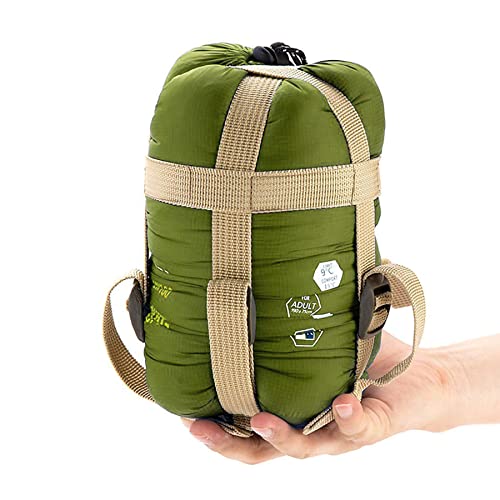
ECOOPRO Portable, Waterproof, Lightweight Sleeping Bag with Compression Sack - For Camping, Backpacking & Hiking

Overmont Ultralight Camping Sleeping Pad with Pillow and Built-in Foot Pump | 4.7-Inch Thick Inflatable Sleeping Pad, 1.98 lb Compact Camping Mat for Backpacking, Hiking, Tent and Car Travel
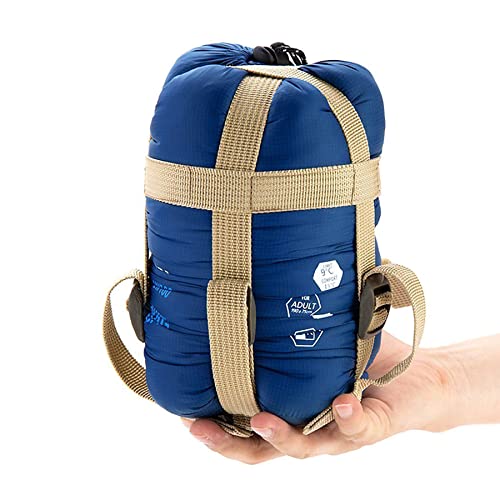
ECOOPRO Warm Weather Sleeping Bag - Portable, Waterproof, Compact Lightweight, Comfort with Compression Sack - Great for Outdoor Camping, Backpacking & Hiking-83 L x 30" W Fits Adults

Gear Doctors® ApolloAir 5.2 R-Value [22oz] Ultralight Insulated Inflatable Camping Sleeping Pad — Backpacking Sleeping Pad— Camping Mattress Compact Lightweight for Hiking—Air Mattress for Backpacking

BISINNA Sleeping Pad for Camping 9R-Value Ultralight Insulated Mattress | 26.6oz ,3.5" Thick Inflatable Sleeping Mat for Backpacking Hiking with Air Pump Sack
7 Proven Tips to Shave Weight From Your Sleep System
Even if you already own a sleep system, there are almost always opportunities to trim grams without spending a fortune. Here are seven strategies that experienced backpackers use to lighten their load:
-
1
Switch to a Quilt
If you sleep warm and mostly camp in three-season conditions, a quilt can save you 8–16 ounces compared to a mummy bag. The key is mastering draft management — use the pad attachment straps and a hooded balaclava or down beanie to seal in warmth.
-
2
Choose a Higher R-Value Pad, Not a Heavier Bag
It's more weight-efficient to invest in a warmer pad than a warmer bag. A pad with an R-value of 4–5 adds only a few ounces but can let you carry a lighter quilt. The ground is where most heat is lost, so insulate it well.
-
3
Use a Stuff Sack Pillow
Leave the dedicated pillow at home and stuff your puffy jacket or spare clothes into a stuff sack. It weighs nothing extra and serves double duty. For more comfort, look for a pillow with a soft, washable cover.
-
4
Add a Sleeping Bag Liner for Versatility
A silk or fleece liner adds 5–15°F of warmth and weighs only 4–8 ounces. It also keeps your bag clean, extending its lifespan. In hot summer conditions, you can use the liner alone.
-
5
Downsize Your Pad's Length
A 72-inch pad is standard, but a 66-inch or even 48-inch torso-length pad can save several ounces. Pair a short pad with your empty backpack under your feet for insulation and comfort.
-
6
Wear Your Warm Clothes to Bed
Your layering clothing system isn't just for hiking — it's part of your sleep system. Wearing a down jacket, fleece, and warm socks to bed can extend your bag's comfort range by 10°F or more.
-
7
Protect Your Down
Down loses loft when wet, so always use a waterproof stuff sack or a pack liner. A wet sleeping bag is not only cold but also dangerous. For ultimate protection, consider a tent with a full rain fly to keep condensation off your gear.
Frequently Asked Questions About Lightweight Backpacking Sleeping Gear
What is the ideal weight for a lightweight backpacking sleep system?
For a three-season ultralight setup, many experienced backpackers aim for a total sleep system weight (bag/quilt + pad + pillow) of 3 to 4.5 pounds (1.4–2 kg). A quilt around 1.5 pounds, a pad around 1 pound, and a pillow around 3 ounces is a realistic target. Winter systems will naturally be heavier due to higher R-values and warmer bags. The key is to balance weight with safety and comfort — the lightest system is useless if you're shivering all night.
Is a quilt better than a sleeping bag for backpacking?
It depends on your sleeping style and the conditions you camp in. Quilts are lighter and more versatile for three-season use, especially for warm sleepers. Sleeping bags offer more draft protection and are generally easier to use in cold or windy conditions. If you're new to ultralight backpacking, a bag may be a safer choice. If you're comfortable managing drafts and want to minimize weight, a quilt is hard to beat.
What R-value do I need for three-season backpacking?
For three-season backpacking, an R-value of 3.0 to 4.5 is generally sufficient. If you sleep cold or frequently camp at higher elevations, aim for the upper end of that range or slightly higher. For summer-only backpacking in mild climates, an R-value of 2.0–3.0 may suffice. For winter camping, look for R-value 5.0 or above, and consider pairing a closed-cell foam pad with an inflatable pad for extra insulation.
Can I use a regular pillow for backpacking?
You can, but it's not recommended. A regular pillow is bulky and heavy, taking up valuable pack space. Ultralight inflatable pillows weigh as little as 2–3 ounces and pack down to a tiny size. Alternatively, a stuff sack filled with clothing works well and adds no extra weight. If comfort is a priority, look for a hybrid pillow with a small foam layer and an inflatable core.
How do I keep my sleeping bag dry while backpacking?
Use a waterproof stuff sack or line your backpack with a pack liner (a large, durable plastic bag or a dedicated ultralight liner). Even if your backpack is water-resistant, prolonged rain can soak through. For extra protection, consider a tent camping setup with a full-coverage rain fly, and always store your bag uncompressed when not hiking to preserve its loft. A damp sleeping bag loses insulation value rapidly, so keeping it dry is critical for both comfort and safety.
Ready to Lighten Your Pack?
Now that you have the complete lightweight backpacking sleeping list, it's time to put it into action. Browse our top-rated gear recommendations above and start building the sleep system that will keep you warm and comfortable on every adventure.
Shop Recommended GearRelated Guides for Backpackers
Deepen your knowledge with these related articles from CampLifeEssentials: