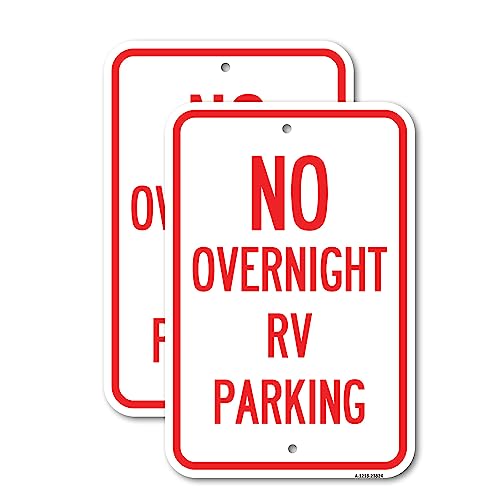
Overnight RV Parking: The Complete Guide to Safe & Legal Stays
Discover how to find the perfect spot for the night, understand parking etiquette, and ensure your RV adventure is both memorable and hassle-free.
START PLANNINGYour Home on Wheels, Anywhere: Overnight RV parking opens up a world of freedom, but it comes with responsibilities. This guide will help you navigate the rules, find the best spots, and camp responsibly.
What is Overnight RV Parking?
Overnight RV parking, often referred to as "boondocking" or "dry camping," is the practice of parking your recreational vehicle for the night without connecting to water, electricity, or sewer hookups. It's a cornerstone of the RV lifestyle, offering unparalleled freedom and a chance to immerse yourself in nature. However, it's not as simple as pulling over anywhere you like. Understanding the nuances of where you can camp is crucial for a safe and legal experience.
This guide will walk you through the different types of overnight parking, from designated campgrounds to public lands, and provide you with the knowledge to make informed decisions. Whether you're a full-time RVer or a weekend warrior, mastering the art of overnight parking is key to unlocking the true potential of your travels.
Types of Overnight RV Parking
Not all overnight parking is created equal. The options available to you depend on your location, your RV's self-sufficiency, and your comfort level with off-grid camping. Here are the primary categories:
1. Public Lands (Boondocking/Dispersed Camping)
This is the most adventurous and often the most rewarding form of overnight parking. Public lands managed by agencies like the Bureau of Land Management (BLM) and the U.S. Forest Service often allow dispersed camping for free. You'll be far from crowds, but you must be completely self-contained. This means bringing your own water, power, and waste management solutions. It's essential to follow Leave No Trace principles to preserve these beautiful spaces for future generations.
2. Commercial RV Parks and Campgrounds
For those who prefer amenities like full hookups, Wi-Fi, and swimming pools, commercial RV parks are the way to go. These range from budget-friendly parks to luxury RV resorts. They offer a secure and convenient place to stay, often with a community atmosphere. If you're planning a long-term stay, looking into monthly RV parks can be more economical. Many travelers also use RV parks near major highways as a convenient stopover for a night or two. For a truly premium experience, a USA RV resort can be a destination in itself.
3. Overnight Stays at Businesses
Some businesses, like Walmart, Cracker Barrel, and certain truck stops, have historically allowed RVers to park overnight in their lots. This is a privilege, not a right, and it's always best to ask permission from the manager first. Always be respectful, park out of the way, and make a purchase to show your appreciation. This option is best for a quick rest stop, not an extended stay.
How to Find the Perfect Overnight Spot
Finding a safe and legal place to park for the night requires research and planning. Here are some strategies to help you find your ideal spot:
- Use Apps and Websites: Platforms like Campendium, AllStays, and The Dyrt are invaluable resources for finding both free and paid camping spots. They often include reviews from other RVers, which can provide insights into safety, noise levels, and cell signal strength.
- Plan Ahead: Especially during peak season, popular campgrounds and RV parks can fill up quickly. Use camping reservation apps to book your spot in advance. If you're looking for a spot in a specific region, researching popular camping places beforehand can save you a lot of stress.
- Check Regulations: Always verify the rules for the area you're interested in. National parks, for example, have specific rules and regulations that may prohibit overnight parking outside of designated campgrounds. State parks also have their own set of rules to follow.
- Arrive Early: Whenever possible, arrive at your destination well before dark. This gives you time to assess the area, find a level spot, and set up camp safely.
Essential Gear for a Self-Sufficient RV
To truly enjoy the freedom of overnight RV parking, especially off-grid, your RV needs to be equipped for self-sufficiency. Here’s a look at the essential gear categories:
Power and Electrical
Without a standard electrical hookup, you'll rely on your onboard batteries and other power sources. A robust battery bank is essential, and many RVers supplement it with solar panels. For a complete guide, see our article on battery & solar panel kits. For those who need more power for appliances, a camping generator or a portable power station can be a game-changer. Staying connected is also important, so consider a power bank for your devices.
Kitchen and Cooking
Your RV kitchen is your lifeline. If you prefer cooking outdoors, a portable propane RV stove or a single stove burner is a great choice. For a more rustic experience, consider a portable pellet stove or a folding campfire grill. Don't forget a reliable camping cooler to keep your food fresh, and for longer trips, a portable fridge can be a worthwhile investment.
Navigation and Communication
When you're off the grid, reliable navigation is crucial. While smartphones are handy, a dedicated handheld GPS or offline maps app can be a lifesaver. For emergencies, a satellite communicator or a satellite phone provides peace of mind. You might also want to equip your RV with two-way radios for communication between vehicles.
Overnight RV Parking Etiquette and Safety
Being a good steward of the environment and respecting others is paramount. Here are some key etiquette and safety tips:
- Leave No Trace: Always pack out everything you pack in. Dispose of waste properly and leave your site cleaner than you found it. This is a core principle of responsible camping.
- Be Quiet: Respect quiet hours, which are typically from 10 PM to 6 AM. Keep generators and loud music to a minimum to avoid disturbing others.
- Be Bear-Aware: If you're camping in bear country, proper food storage is critical. Follow all local guidelines and store food in your RV or a bear-proof container.
- Have a First Aid Kit: Be prepared for minor injuries. A well-stocked camping first aid kit is essential, and knowing how to handle common camping injuries can make a big difference.
- Check the Weather: Before you park, check the forecast. Be aware of potential hazards like severe weather or flash floods in the area.