Overlanding Guide: Essential Gear, Vehicles & Camping Tips
Discover the complete overlanding guide for self-reliant adventure travel. From vehicle setup and essential gear to top routes and camping tips — everything you need for off-road expeditions.
EXPLORE OVERLANDING GEARWhat is Overlanding?
Overlanding is a self-reliant adventure travel philosophy where the journey itself is the primary goal, not just the destination. Unlike traditional camping where you drive to a campground and set up base, overlanding involves traveling with all your essential gear — shelter, food, water, and tools — for extended periods in remote areas. It combines off-road driving, vehicle-based camping, and outdoor exploration into one complete experience. Whether you're crossing continents or exploring your backyard wilderness, overlanding offers the ultimate freedom to go where the road (or lack thereof) takes you.
Overlanding vs Camping: While traditional camping typically involves driving to a designated campsite and staying for a few days, overlanding is about the journey. Overlanders travel for weeks or months, often on unpaved roads, with all their camping equipment mounted on or inside their vehicles. It's the ultimate off-grid camping experience that combines off-road capability with comfortable home on wheels living.
Key Components of Overlanding
🚙 Vehicle Setup
Your overlanding vehicle is your home base. Proper setup includes:
- 4x4 or AWD capability
- Off-road tires and suspension
- Roof top tent or pop-up campers
- Recovery gear (winch, traction boards)
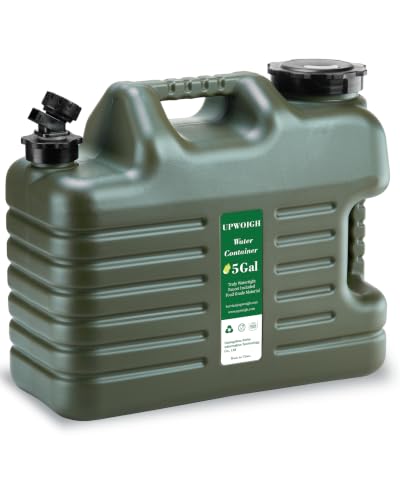
- Extra fuel and water storage
🏕️ Camping Equipment
Essential gear for comfort and self-sufficiency:
- Portable power stations and solar chargers
- Portable fridges for food storage
- Camping stoves and cookware
- Portable showers and toilet systems
- Camping lantern and lighting
🗺️ Navigation & Safety
Stay on track and safe in remote areas:
- GPS vs smartphone navigation
- Satellite communicators for emergencies
- Camping first aid kit
- Emergency beacons
- Camping communication devices
Essential Overlanding Gear List
Proper overlanding equipment makes the difference between an epic adventure and a miserable trip. Here's a comprehensive checklist of essential overlanding gear for your next off-road expedition.
Vehicle Preparation for Overlanding
Essential Vehicle Modifications
- Suspension: Lift kit for better ground clearance
- Tires: All-terrain or mud-terrain tires with proper load rating
- Bumpers: Steel bumpers with recovery points
- Skid plates: Underbody protection for off-road
- Lighting: Auxiliary LED lights for night driving
Recovery Equipment
- Winch: Minimum 12,000 lb capacity
- Recovery straps: Dynamic recovery strap
- Shackles: D-ring shackles with proper rating
- Traction boards: Maxtrax or similar
- Hi-Lift jack: Multi-purpose recovery tool
Best Overlanding Routes
🏜️ Trans-America Trail (TAT)
A 4,500-mile route from North Carolina to Oregon crossing the United States through remote backroads and off-road sections. Perfect for vehicle-based adventures.
⛰️ Alpine Loop (Colorado)
One of Colorado's most scenic Colorado camping routes, the Alpine Loop traverses over 60 miles of mountain passes, abandoned mining towns, and breathtaking vistas.
🏔️ Mojave Road (California)
A historic 138-mile off-road trail through the Mojave Desert. This route offers challenging terrain, desert solitude, and iconic landmarks like the Mojave Mailbox.
🌲 White Rim Road (Utah)
An epic 100-mile loop around Canyonlands National Park's Island in the Sky. Stunning views of the Colorado River and remote Utah Mighty 5 landscapes.
Planning Your Overlanding Trip
Successful overlanding requires careful planning. Here are key considerations before you hit the trail:
📍 Route Planning
- Research road conditions and seasonal closures
- Download offline maps and best camping apps
- Check for fire ban guide and regulations
- Identify water sources and resupply points
- Share your itinerary with emergency contacts
📦 Logistics
- Calculate fuel range and carry extra
- Plan food and water consumption
- Check weather forecasts and winter weather alerts
- Review Leave No Trace principles
- Understand BLM camping rules and regulations
Overlanding Safety Tips
🔋 Power Management
Invest in portable power stations and solar chargers to keep essential devices charged. Consider battery solar panels for extended off-grid stays.
📡 Communication
Cell service is unreliable in remote areas. Carry satellite communicators, two-way radios camping, and an emergency beacon for critical safety.
🛞 Vehicle Readiness
Pre-trip inspection is crucial. Check tires, fluids, battery, and brakes. Carry a portable air compressor and tire repair kit. Consider a pop-up campers for sale for simpler setup.
🧭 Navigation
Always bring analog map and compass as backup. Learn digital compass guide skills and understand how to use offline maps apps effectively.
🚑 First Aid
Pack a comprehensive camping first aid kit with trauma supplies. Learn wilderness first aid and know emergency SOS signals for critical situations.
🔥 Fire Safety
Follow campfire safety rules and fire ban guide strictly. Know how to extinguish campfire properly and practice wildfire prevention.
Responsible Overlanding: Practice Leave No Trace principles on every trip. Respect wildlife, stay on designated trails, pack out all trash, and follow BLM camping rules and national park rules to preserve the wilderness for future overlanders.
Ready to Start Your Overlanding Adventure?
Explore essential overlanding gear, choose your route, and hit the trail with confidence.
GET STARTED