Roof Top Tent for Truck: The Complete Guide
Upgrade your camping experience with a roof top tent (RTT) designed specifically for trucks. Learn about types, installation, top brands, and how to choose the perfect RTT for your pickup.
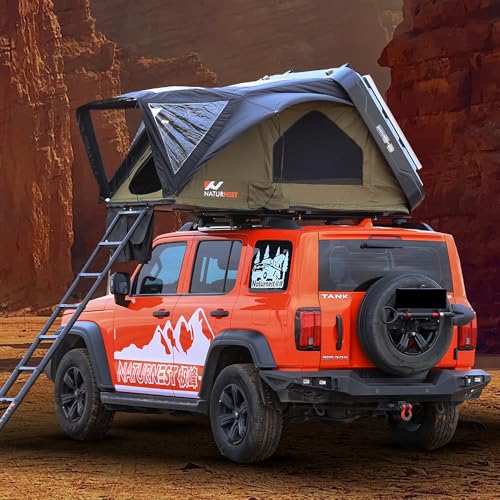
Shop Top RTTsWhy a Roof Top Tent for Your Truck? A roof top tent transforms your truck into a mobile adventure basecamp. Whether you're an overlander, a weekend warrior, or a family camper, an RTT offers comfort, convenience, and a great night's sleep off the ground. This guide covers everything you need to know: from types and features to installation and top recommendations.
Types of Roof Top Tents for Trucks
🏕️ Hard Shell Roof Top Tents
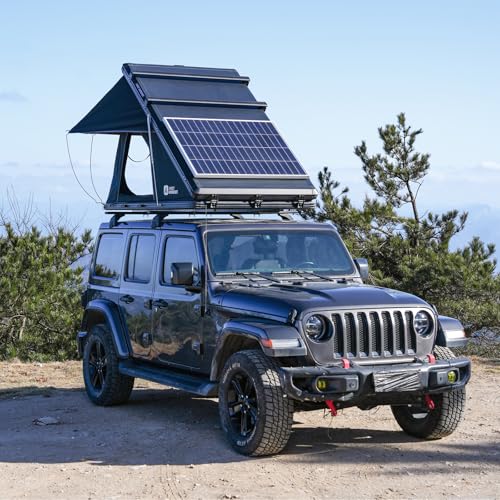
Hard shell RTTs feature a rigid, aerodynamic shell that doubles as a base. They are quick to set up (often under 30 seconds), offer better insulation, and are more durable in harsh weather.
- Best for: Year-round use, extreme weather, frequent setup.
- Price range: $2,500–$4,500+
- Popular brands: iKamper, Roofnest, James Baroud
🏕️ Soft Shell (Folding) Roof Top Tents
Soft shell RTTs fold out to create a large sleeping area. They are lighter and more affordable than hard shells, making them a popular choice for budget-conscious adventurers.
- Best for: Budget campers, light use, larger sleeping space.
- Price range: $1,200–$2,800
- Popular brands: Smittybilt, Tepui, Thule
🏕️ Hybrid Roof Top Tents
Hybrid RTTs combine the quick setup of a hard shell with the extra space of a soft shell. They often feature a wedge design that provides standing room and a larger sleeping platform.
- Best for: Adventurers wanting a balance of comfort and speed.
- Price range: $2,200–$3,800
- Popular brands: Freespirit Recreation, 23Zero
🏕️ Truck Bed Tents
Not a true roof top tent, but a great alternative. These tents fit directly into your truck bed, utilizing the existing structure. They are often more affordable but lack the elevated view and quick setup of RTTs.
- Best for: Budget campers, those who don't want to install a roof rack.
- Price range: $150–$500
- Popular brands: Napier, Rightline Gear
What to Look for in a Roof Top Tent
Weight & Dynamic Load
Check your truck's roof or rack dynamic load rating. Most RTTs weigh between 100–200 lbs. Heavier tents require a sturdy rack system.
Sleeping Capacity
RTTs range from 2-person to 4+ person models. Consider your typical group size and whether you need extra space for gear.
Weather Resistance
Look for waterproof fabrics (e.g., 600D ripstop), sealed seams, and rainfly coverage. Hard shell models offer superior wind and noise protection.
Setup Time
Hard shell: 1–2 minutes. Soft shell: 5–10 minutes. Hybrid: 2–5 minutes. Faster setup is a game-changer, especially in bad weather.
Comparison: Top Roof Top Tent Models
| Model | Type | Sleeps | Weight | Price | Setup |
|---|---|---|---|---|---|
| iKamper Skycamp 3.0 | Hard Shell | 2-3 | 165 lbs | $3,999 | 60 sec |
| Roofnest Falcon Pro | Hard Shell | 2 | 145 lbs | $3,299 | 45 sec |
| Smittybilt Overlander | Soft Shell | 2-3 | 120 lbs | $1,199 | 8 min |
| Tepui Explorer Kukenam 3 | Soft Shell | 3 | 115 lbs | $1,599 | 10 min |
| Freespirit Recreation Odyssey | Hybrid | 2-3 | 135 lbs | $2,699 | 3 min |
| 23Zero Walkabout 87 | Hybrid | 2 | 120 lbs | $2,299 | 4 min |
* Prices and specifications are approximate and may vary by retailer and region.
Installing a Roof Top Tent on Your Truck
Step-by-Step Overview
- Choose the Right Rack: Ensure your truck has a compatible roof rack system (e.g., crossbars with sufficient dynamic load capacity). Most RTTs require a rack rated for at least 200 lbs dynamic.
- Prepare the Tent: Unbox and assemble the tent per manufacturer instructions. Some require mounting rails or brackets.
- Lift and Position: With help, lift the tent onto the rack. Align the mounting points with the crossbars.
- Secure the Tent: Use the provided bolts and brackets to securely fasten the tent. Torque to manufacturer specifications.
- Check Clearance: Ensure the tent doesn't interfere with the tailgate, roof, or vehicle operation.
- Test Setup: Open and close the tent a few times to ensure smooth operation and that everything is secure.
Pro Tip: Always check your vehicle's owner manual for roof load limits. If you have a pickup truck bed camper, you may also consider a bed-mounted rack for better weight distribution.
Pros and Cons of Roof Top Tents
✅ Pros
- Off-ground sleeping keeps you safer from wildlife and dampness.
- Quick setup and takedown (especially hard shells).
- Provides a level sleeping surface even on uneven terrain.
- Great for overlanding and off-grid camping.
- Often includes a built-in mattress for comfort.
- Frees up interior space in your truck.
❌ Cons
- Significant impact on fuel economy due to added weight and drag.
- High initial cost (especially hard shell models).
- Must be removed for garage parking or low-clearance areas.
- Climbing up and down can be challenging (especially at night).
- Requires a sturdy roof rack and proper installation.
- Reduced accessibility to the truck bed for gear.
Expert Tips & Maintenance
- 🔧 Regularly inspect mounting hardware – Vibrations from driving can loosen bolts. Check them before every trip.
- 🧼 Clean and waterproof the fabric – Use a mild soap and a dedicated tent waterproofing spray to maintain weather resistance.
- 🌬️ Air out the tent – After each trip, set up the tent to dry and prevent mold or mildew growth.
- 🛠️ Lubricate zippers and hinges – Use a silicone-based lubricant to keep them working smoothly.
- 🏔️ Consider an anti-condensation mat – Especially in colder climates, this helps reduce moisture buildup inside the tent.
Related Camping Topics
If you're planning a full overlanding setup, you might also be interested in our guides on overlanding essentials, RV camping, or camping technology to power your adventures. For sleeping comfort, check out our best camping mattresses and winter sleeping bags for cold-weather trips.
If you're new to camping with your truck, our first-time camping tips and car camping checklist are excellent starting points.