Off Grid Camping: The Complete Guide to Self-Sufficient Wilderness Adventure
Master the art of off grid camping with expert advice on power, water, safety, and essential gear. Whether you're boondocking in an RV or primitive camping in a tent, learn how to thrive without hookups.
Explore Off Grid Gear
What is Off Grid Camping?
Off grid camping, also known as boondocking, dry camping, or dispersed camping, means camping without access to traditional amenities like electric hookups, running water, or sewer connections. You are entirely self-sufficient, relying on your own gear and supplies [citation:1][citation:4].
This style of camping offers unparalleled freedom. You can camp in remote, beautiful locations away from crowded campgrounds, immerse yourself in nature, and truly disconnect from the modern world. However, it requires careful planning, the right equipment, and a mindset focused on conservation and self-reliance.
Key Principle: "Take only memories, leave only footprints." Off grid camping demands strict adherence to Leave No Trace principles to preserve these wild spaces for future campers.
Essential Off Grid Camping Gear
Successfully camping off the grid starts with the right equipment. Unlike traditional camping, you cannot rely on campground facilities. Every piece of gear must contribute to your self-sufficiency.
1. Power & Energy Management
Without a hookup, electricity is your most precious resource. Your strategy should include generation, storage, and conservation.
- Portable Power Stations: A portable power station is the heart of your off-grid electrical system. It stores energy and provides outlets for charging devices, running lights, and powering small appliances. Learn more about the best portable power stations for off-grid camping.
- Solar Panels: Solar panels are the most popular way to recharge your power station off-grid. They are quiet, environmentally friendly, and provide free energy from the sun [citation:1]. A 150-200W solar panel setup is often sufficient to keep batteries topped up in summer [citation:2]. Consider our guide to solar chargers for camping.
- Generators: A portable generator is a reliable backup power source, especially for high-draw appliances or during extended cloudy periods [citation:1][citation:4]. For a more permanent setup, explore recommended camping generators.
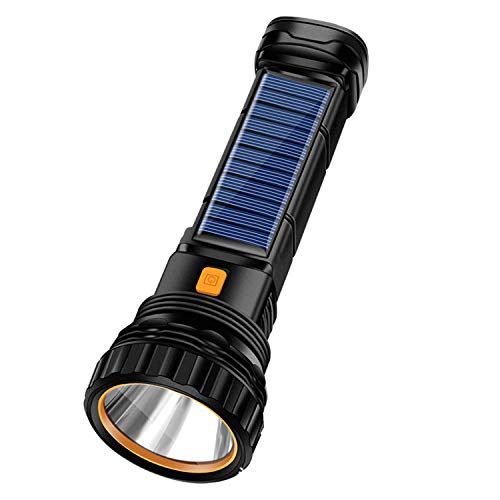
- LED Lighting: LED lights use up to 90% less power than incandescent bulbs, making them essential for conserving battery life [citation:1]. A good rechargeable headlamp, like the Black Diamond Spot 400-R, is invaluable [citation:3].
2. Water Management
Reliable access to clean water is non-negotiable. You must plan for both carrying water and treating natural sources.
- Water Storage: Carry sufficient water for drinking, cooking, and cleaning. The amount depends on the length of your trip and the availability of natural water sources [citation:11].
- Water Filtration & Purification: If you plan to use natural water sources, you need a reliable way to make it safe. A portable water filter like the LifeStraw Peak Squeeze removes bacteria and sediment [citation:3]. For a broader solution, compare options in our camping water filters technology guide.
3. Shelter & Comfort
Your shelter must protect you from the elements, especially since you'll be in remote locations.
- Tent: Choose a tent appropriate for the climate and season. For serious off-grid adventures, durability and weather resistance are paramount. A pop-up camping tent with air mattress can offer quick setup and comfort.
- Sleeping Bag & Pad: A high-quality sleeping bag and insulated sleeping pad are crucial for a good night's rest. For cold-weather trips, consult our winter sleeping bags guide.
- Camp Furniture: A comfortable camping chair and a sturdy table can significantly improve your quality of life at camp.
4. Cooking & Food Storage
You'll need to prepare meals without the convenience of a camp store nearby.
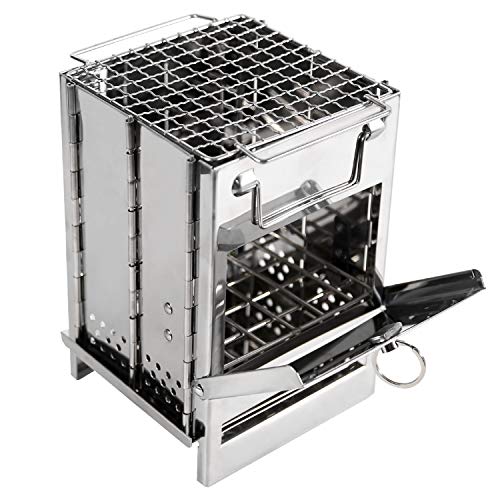
- Camp Stove & Fuel: A reliable camp stove and sufficient fuel are essential for cooking [citation:2]. A system like the Jetboil offers efficient and fast cooking [citation:3].
- Cooler or Portable Fridge: Keeping perishable food fresh is critical. A high-quality cooler is a must, but for extended trips, a portable fridge powered by your solar setup is a game-changer.
5. Communication & Safety
In remote areas, cell service is often unreliable. Safety and navigation require specialized gear.
- GPS & Offline Maps: A dedicated handheld GPS or a smartphone with downloaded offline maps like Gaia GPS is vital for navigation [citation:6]. Always carry paper maps as a backup [citation:4].
- Satellite Communicators: Devices like the ZOLEO or Garmin inReach allow you to send messages and trigger SOS alerts without cell service. Check our satellite communicators guide.
- First Aid Kit: A comprehensive first aid kit is non-negotiable. The Adventure Medical Kits Mountain Series is a great option for off-grid emergencies [citation:3].
Pro Tip: An emergency kit with a mylar blanket, whistle, and fire starter can be a lifesaver if things go wrong. Being prepared is the first step to a safe and enjoyable off-grid adventure.
Off Grid Camping Checklist: Plan for Self-Sufficiency
Use this checklist to ensure you haven't forgotten anything critical for your off-grid adventure.
Essential Gear
- ✅ Tent or Shelter
- ✅ Sleeping Bag & Pad
- ✅ Camping Pillow
- ✅ Camp Stove & Fuel
- ✅ Cookware & Utensils
- ✅ Cooler / Portable Fridge
- ✅ Portable Power Station
- ✅ Solar Panels / Generator
- ✅ Camping Lantern & Headlamp
Safety & Communication
- ✅ GPS Device & Paper Maps
- ✅ Satellite Communicator
- ✅ First Aid Kit
- ✅ Water Storage & Filter
- ✅ Extra Food & Water
- ✅ Multi-tool & Duct Tape
- ✅ Fire Starter & Matches
- ✅ Emergency Blanket
- ✅ Trash Bags (Pack it out!)
Exploring Off Grid Destinations and Styles
Off-grid camping spans a wide range of experiences, from RV boondocking to primitive tent camping. Where you go determines the gear you need.
For RV campers, look into BLM camping and national forest lands that allow dispersed camping. If you're looking for a more minimalist adventure, our primitive camping guide covers the essentials for truly living off the land. For those who want to combine off-grid living with a touch of adventure, overlanding offers a vehicle-based exploration experience.
If you're new to this, a first-time camping tips guide can help you transition from developed campgrounds to the wild. Families might find our family camping guide useful for planning a safe and fun off-grid trip.
Ready for Your Off Grid Adventure?
Off grid camping is one of the most rewarding ways to experience the outdoors. It builds confidence, fosters a deep connection with nature, and provides an escape from the noise of modern life. The key is preparation. By investing in the right gear, planning your power and water needs, and prioritizing safety, you can unlock a world of adventure.
Use the resources on CampLifeEssentials to equip yourself with the knowledge and tools you need. Whether it's learning to safely manage a campfire or understanding the emergency preparedness required for remote travel, we're here to help you succeed. Explore the gear below to find the perfect equipment for your next off-grid journey.




![The All-in-One Off-Grid Survival Manual: [10-in-1] How to Live Anywhere, Protect Your Family, and Stay Off the Radar | 300+ DIY Projects for Power, Water, Food, Home Defense, and Radio Communication](https://m.media-amazon.com/images/I/511y-Q-f3+L._SL500_.jpg)

