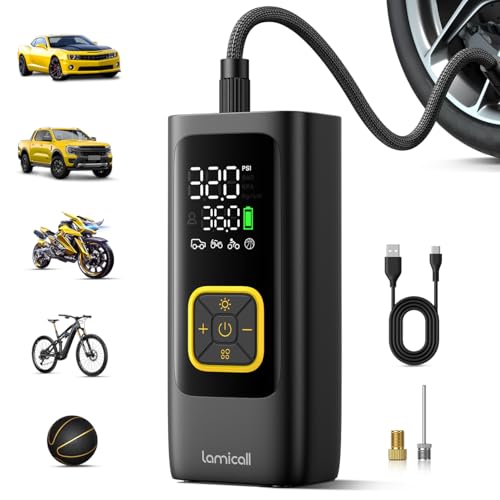
Best Portable Air Compressor for Camping & Overlanding
From airing up tires after a long trail to inflating sleeping pads and rafts—find the perfect portable air compressor for your outdoor adventures.
A portable air compressor is one of the most versatile tools you can add to your camping or overlanding kit. Whether you're airing down for a rocky trail, topping off your RV tires, or inflating a sleeping pad, a reliable 12V compressor saves time, energy, and frustration. In this guide, we break down the key features, performance metrics, and top-rated models to help you choose the best portable air compressor for your needs.
What to Look For in a Portable Air Compressor
💨 Airflow & Duty Cycle
Measured in liters per minute (L/min) or cubic feet per minute (CFM). Higher airflow means faster inflation. Duty cycle (e.g., 33% @ 40 PSI) indicates how long the compressor can run before needing a cool-down.
- For cars & SUVs: 30–40 L/min is sufficient.
- For trucks & RVs: Look for 60+ L/min.
- For overlanding: Choose 100% duty cycle for heavy use.
🔌 Power Source & Portability
Most portable compressors run off your vehicle's 12V cigarette lighter socket or direct battery clamps. Cordless models offer flexibility but require charged batteries. Consider weight and storage size—compact units fit easily in a camping backpack or rucksack.
- 12V direct: Reliable, unlimited runtime.
- Battery-powered: Great for walk-up use.
- Dual power (AC/DC): Versatile for home and car.
🎯 Pressure & Accuracy
Max pressure (PSI) determines what you can inflate—tires, air mattresses, or even portable air conditioners. Auto-shutoff and digital gauges provide precision, preventing over-inflation.
- Tires: Needs at least 100–150 PSI.
- Sleeping pads & rafts: Lower pressure (20–30 PSI).
- Digital vs. analog: Digital is more accurate.
🔧 Durability & Build Quality
Look for metal cylinders, oil-free pumps, and reinforced hoses. Overlanding and off-road use demand rugged construction. Check for thermal protection and quality accessories like heavy-duty storage bags.
- Metal vs. plastic internals.
- Length and quality of air hose.
- Included adapters for various valve types.
Quick Comparison of Top Portable Air Compressors
| Model | Max PSI | Airflow (L/min) | Duty Cycle | Power | Approx. Price |
|---|---|---|---|---|---|
| Viair 88P | 120 | 30 | 33% @ 40 PSI | 12V DC | $75–$90 |
| ARB CKMP12 | 150 | 72 | 100% | 12V DC | $250+ |
| DEWALT DCC020IB | 160 | 35 | 50% | 20V Battery | $180–$220 |
| GSPSCN SuperFlow | 150 | 150 | 100% | 12V DC | $130–$160 |
| Fanttik X8 Apex | 150 | 28 | N/A | 12V DC | $90–$110 |
* Prices are approximate and may vary. Always check current market rates.
Pro Tips for Using a Portable Air Compressor
- Always air down before off-roading: Reducing tire pressure to 18–20 PSI increases traction and ride comfort. Use your compressor to air back up to the recommended PSI before hitting the highway.
- Keep your compressor cool: If you have a lower duty cycle, let the unit cool between tires. This prolongs motor life and prevents overheating.
- Use a quality tire gauge: Even if your compressor has a built-in gauge, double-check pressure with a standalone gauge for accuracy.
- Secure the power cable: Route the cable away from hot or moving parts in the engine bay. Use a communication device to call for help if you run into trouble.
- Practice safe storage: Store your compressor and accessories in a dry, clean bag or case to prevent dust and moisture damage. A camping cooler can double as a storage box for small parts.
The best portable air compressor is the one that meets your specific needs. Whether you're a weekend camper, a serious overlander, or a family on a road trip, investing in a quality compressor ensures you're never stranded with a flat tire or a deflated sleeping pad. Explore our top recommendations below and choose the model that fits your adventures.