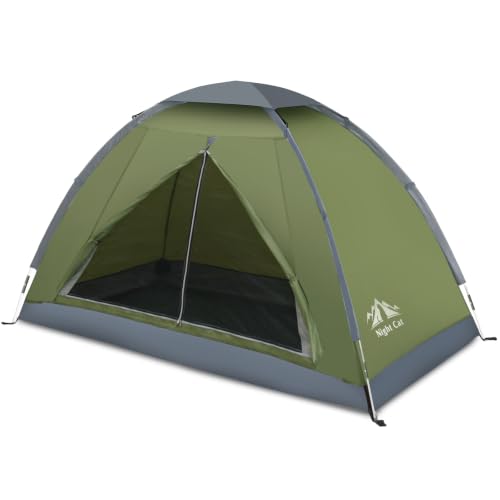
One Person Backpacking Tent Lightweight: The Ultimate Solo Shelter Guide
Everything you need to know before choosing an ultralight solo tent — weight limits, materials, freestanding vs trekking pole designs, and expert buying tips for backcountry adventures.
JUMP TO BUYING GUIDEWhy this guide matters: A one person backpacking tent lightweight is one of the most important purchases a solo hiker will ever make. The right shelter protects you from storms, keeps you warm, and disappears into your pack. The wrong one adds dead weight to every step. This guide walks you through every specification that matters so you can buy with confidence.
Why a Lightweight One Person Tent Changes Everything
When you hike alone, every ounce counts twice as much. There is no partner to split the load with, no group to share the stove, and no one to carry the tent poles while you take the fly. Your shelter is often the single heaviest item in your pack, which is why switching to a lightweight 1 person tent for backpacking delivers the biggest immediate improvement to your comfort on the trail.
The math is simple. A traditional two-person dome tent might weigh six or seven pounds. A dedicated one person backpacking tent lightweight model usually lands between one and three pounds. Over a ten-mile day, that difference translates into noticeably less fatigue, faster pace, and more energy for the parts of backpacking you actually enjoy — the views, the silence, and the campfire at the end.
Weight is not the only benefit. Solo tents are also smaller in packed size, which matters when you are carrying a 50-liter pack for a multi-day trip. They pitch faster because there are fewer poles and fewer guy lines. And they force you to pack deliberately, which is a skill that makes every future trip easier.
Understanding Weight Classes for Solo Backpacking Tents
Not every hiker needs the same weight class. The right choice depends on your budget tier, the length of your trips, and how much you are willing to trade comfort for grams saved. Here is how the market breaks down using universal quality descriptors rather than prices.
Budget-Friendly Solo Tents
Typically weigh between three and five pounds. These models use heavier fabrics, aluminum or fiberglass poles, and simpler designs. They are excellent for beginners, car camping crossovers, and short overnight trips where weight is less critical.
Balanced Lightweight Tents
Generally fall between two and three pounds. These tents offer a strong compromise between durability, interior space, and packed weight. Most weekend backpackers and section hikers find this tier hits the sweet spot.
Ultralight & Ultralight Plus
Usually weigh under two pounds, sometimes as little as one pound. These tents use advanced fabrics like DCF and silpoly, trekking pole supports, and minimalist designs. They are built for thru-hikers and ounce-counting backpackers.
If you are new to backpacking, the mid-range tier is usually the smartest starting point. It gives you real weight savings without the fragility or learning curve of premium materials. If you already know you love long-distance hiking, investing in the premium tier pays off over hundreds of miles. If you want to explore how weight fits into your overall sleep system, see our guide on the lightest sleeping pad for backpacking.
Key Features That Separate Good Solo Tents from Great Ones
Weight is the headline number, but it is far from the only specification that matters. These are the features that experienced backpackers compare before buying.
Freestanding vs Trekking Pole Design
Freestanding tents use their own poles and stand up on any surface, including rock slabs and hard-packed ground. They are easier to pitch in a hurry and do not require trekking poles. Trekking pole tents save the weight of dedicated poles by using your hiking sticks as the structure. They are lighter and often more spacious for the same weight, but they require soft ground for stakes and take practice to pitch cleanly. Many ultralight hikers carry a ultralight backpacking stove and a trekking pole tent as the core of a minimalist kit.
Floor Area and Peak Height
A one person tent sounds self-explanatory, but interior dimensions vary widely. Look for a floor length of at least 84 inches if you are taller than average, and a peak height that lets you sit up without your head touching the ceiling. Some solo tents are coffin-shaped and extremely narrow, while others offer near-rectangular floors that fit a wide sleeping pad comfortably.
Doors and Vestibules
A single door with a single vestibule is the lightest configuration and works fine for most solo hikers. A second door adds convenience and ventilation but also adds weight. The vestibule is where you store your pack, boots, and cooking gear at night, so its size directly affects how livable the tent feels in bad weather.
Season Rating
Three-season tents handle spring, summer, and fall across most climates. They prioritize ventilation and low weight. Four-season tents add stronger poles, more guy-out points, and reduced mesh to handle snow loading and high winds. If you plan to camp in winter, read our winter camping guide and consider a dedicated winter tent instead of pushing a three-season model beyond its limits.
Fabric and Waterproofing
The fly and floor are measured in denier and hydrostatic head. Lower denier means lighter fabric. Silnylon and silpoly are the most common lightweight options, while DCF is the premium choice for weight savings. Seam sealing is essential on nearly every ultralight tent, whether factory-applied or done at home.
Solo Tent Comparison at a Glance
The table below summarizes how the three main quality tiers compare across the features that matter most. Use it as a quick reference before reading detailed reviews.
| Feature | Entry-Level | Mid-Range | Premium |
|---|---|---|---|
| Typical Weight | 3–5 lbs | 2–3 lbs | Under 2 lbs |
| Pole Type | Aluminum or fiberglass | Aluminum | Trekking pole or carbon |
| Fabric | Polyester, heavier nylon | Silnylon, silpoly | DCF, high-tenacity silpoly |
| Packed Size | Large | Medium | Compact |
| Setup Difficulty | Easy | Easy to moderate | Moderate to advanced |
| Durability | High | Moderate to high | Moderate, requires care |
| Best For | Beginners, short trips | Weekend backpackers | Thru-hikers, ounce counters |
Notice that lighter does not automatically mean better. A premium DCF tent is not the right choice for a casual camper who pitches on abrasive ground and wants a shelter that can be treated roughly. Match the tier to your real habits, not to the spec sheet. For more context on how tent construction affects longevity, see our article on whether nylon or polyester is better for tents.
How to Choose the Right One Person Backpacking Tent Lightweight
Use this step-by-step framework to narrow the market down to two or three candidates before you buy.
Step 1: Define Your Real Trips
Write down the three trips you are most likely to take in the next two years. Are they weekend overnights in mild weather? A week-long section hike on a rugged trail? Winter camping above the treeline? The answers determine whether you need a three-season tent, a four-season tent, or something in between. A 1 person tent built for summer ventilation will be miserable in a snowstorm, no matter how light it is.
Step 2: Set a Weight Target
Decide on the maximum weight you are willing to carry. A common rule is that your shelter should not exceed fifteen percent of your total pack weight. If your base weight goal is fifteen pounds, your tent should be around two to two and a half pounds. This target immediately filters the market.
Step 3: Choose Freestanding or Trekking Pole
If you already hike with trekking poles, a trekking pole tent is the natural choice for maximum weight savings. If you do not use poles, or if you often camp on hard ground where stakes will not hold, a freestanding model is worth the extra weight. Many backpackers eventually own one of each and choose based on the trip.
Step 4: Check Interior Dimensions Against Your Body
Lay down on the floor of a friend's tent or measure yourself from head to toe with your arms extended. Add at least six inches of buffer to the floor length and four inches to the width. If you use a wide sleeping pad, check that the pad fits without pressing against the walls, because condensation transfers from fabric to sleeping bag.
Step 5: Evaluate Ventilation and Condensation Control
Single-wall tents are lighter but prone to condensation. Double-wall tents manage moisture better at the cost of a few ounces. Look for high vents, mesh panels, and a fly that can be pitched partially open in light rain. Condensation is the most common complaint among solo backpackers, so this feature deserves serious attention.
Step 6: Plan for the Full Sleep System
Your tent is only one part of the system. You also need a sleeping pad, a sleeping bag, and often a pillow. An ultralight tent pairs best with an equally light pad and bag. If you are still comparing sleep systems, our guides on backpacking sleeping pads for side sleepers and ultralight down sleeping bags will help you round out the kit.
Step 7: Verify Stakes, Guy Lines, and Footprint
Most tents ship with basic stakes that are too heavy or too short for real conditions. Budget for aftermarket stakes, extra guy line, and a footprint or polycro ground sheet. These small additions protect your investment and improve performance in wind and rain. If the tent does not include a footprint, consider a 2 person backpacking tent with footprint as a reference for how manufacturers bundle these accessories.
Step 8: Practice Pitching Before Your Trip
Set the tent up in your yard at least twice before you take it into the backcountry. Learn how it behaves in wind, how the fly attaches, and how to pack it so the poles stay protected. A tent that takes twenty minutes to pitch in your living room will take forty in the rain. For more setup context, see our guide on how to set up a tent in the rain.
Common Mistakes When Buying a Solo Ultralight Tent
Even experienced backpackers make these errors. Avoid them and you will save both money and frustration.
- Buying the lightest tent regardless of durability. A sub-one-pound tent made from exotic fabric will not survive rough treatment. Match the material to your care habits and terrain.
- Ignoring packed size. A tent that weighs two pounds but fills half your pack is not actually ultralight in practice. Check the packed dimensions against your backpack's capacity.
- Underestimating condensation. Single-wall tents save weight but require ventilation discipline. If you sleep hot or camp in humid climates, a double-wall design may be worth the extra ounces.
- Skipping the footprint. Ultralight floors are thin. A ground sheet dramatically extends the life of the tent and costs very little in weight.
- Choosing based on peak height alone. A tall peak is useless if the floor is too narrow to lie down comfortably. Measure both.
- Forgetting about stake-out options. Some ultralight tents require many stakes to reach full rigidity. On rocky ground, that can be impossible. Freestanding designs or tents with fewer required stakes are more forgiving.
One more mistake deserves special mention: buying a tent for the trip you wish you were taking instead of the trip you actually take. If most of your camping is car camping with occasional overnights, a lightweight backpacking tent is overkill. If most of your camping is long-distance hiking, a heavy tent is a constant penalty. Be honest about your habits. Our camping FAQ covers many of these decision points in more detail.
How to Make Your Lightweight Tent Last for Years
An ultralight tent is an investment. These habits protect it.
- Always use a footprint or ground sheet. This is the single most effective way to prevent abrasion and punctures.
- Clean and dry before storage. Never store a tent damp. Mildew permanently damages coatings and fabric.
- Store loosely, not compressed. Stuff the tent into a mesh bag or pillowcase rather than cramming it into its stuff sack for long periods.
- Re-seal seams as needed. Even factory-sealed tents eventually need touch-ups. Check seams at the start of every season.
- Inspect poles and stakes. Replace bent pole sections and dull stakes before they fail in the field.
- Avoid pitching on sharp rocks or debris. Clear your site before laying down the floor.
- Use the correct stakes for the terrain. Sand stakes for beaches, snow stakes for winter, and standard pegs for packed soil.
With reasonable care, a quality one person backpacking tent lightweight can last a decade or more. Many thru-hikers replace their tent once per long trail, but weekend backpackers often keep the same shelter for many seasons. For broader gear care context, see our guides on how long tents last and whether expensive tents are worth it.
Ready to Find Your Solo Shelter?
Browse our curated selection of lightweight one person backpacking tents and start planning your next adventure with confidence.
VIEW RECOMMENDED TENTSFrequently Asked Questions
A true ultralight solo tent typically falls under 2 pounds (approximately 0.9 kg), while lightweight models range between 2 and 4 pounds. The lighter the tent, the more you will appreciate it during long-distance hikes. For most weekend backpackers, a tent in the 2–3 pound range offers the best balance of weight, durability, and interior comfort. Thru-hikers often push below 2 pounds by using trekking pole designs and premium fabrics.
Yes, but you need to look for models with longer floor lengths and higher peak heights. Many ultralight solo tents are now designed with extended dimensions to accommodate taller backpackers comfortably. Check the floor length specification carefully. A tent with an 84-inch floor is usually adequate for someone up to about 6 feet 2 inches, while taller hikers should look for 90 inches or more. Peak height matters too — you want to sit up without your head pressing against the ceiling.
Freestanding tents are easier to pitch on hard or rocky ground, while trekking pole tents are significantly lighter and ideal for weight-conscious backpackers. Choose based on your typical terrain and hiking style. If you already carry trekking poles and mostly camp on soil or duff, a trekking pole tent saves meaningful weight. If you camp on rock slabs, beaches, or hard-packed sites where stakes will not hold, a freestanding model is more reliable. Many experienced backpackers own both and choose per trip.
The best ultralight tents use materials like silnylon, silpoly, and DCF (Dyneema Composite Fabric). These fabrics offer an excellent strength-to-weight ratio, though higher-end materials typically cost more and require careful handling. Silnylon and silpoly are the most common choices for mid-range and premium tents because they balance weight, durability, and water resistance. DCF is the lightest option but is less abrasion-resistant and commands a premium tier price. Polyester fabrics are slightly heavier than nylon but resist UV degradation better over time.
Technically yes, but it will be extremely cramped. A true one person tent is designed for one sleeper and a small amount of gear. Two adults sharing a solo tent will be pressed against the walls, which causes condensation to transfer onto sleeping bags and makes sleep difficult. If you sometimes need space for two, consider a 2 person backpacking tent with footprint instead. The weight penalty is usually modest compared to the comfort gain.
Ventilation is the key. Pitch the tent so the prevailing wind moves through the vents, leave the fly door partially open in mild weather, and avoid camping in low-lying areas where moisture collects. Double-wall tents manage condensation better than single-wall designs because the inner wall traps moisture away from your sleeping bag. If you use a single-wall tent, wipe down the interior walls before packing up and dry the tent thoroughly at home. Our camping in a tent in the rain guide covers related moisture management strategies.
Yes, in most cases. A footprint protects the thin floor of an ultralight tent from abrasion, punctures, and ground moisture. It also adds a layer of insulation and keeps the floor cleaner. Some tents include a fitted footprint, while others require a separate purchase or a DIY polycro sheet. The weight penalty is usually only a few ounces, and the protection is well worth it. If you want a sense of how manufacturers bundle footprints, look at how a 2 person backpacking tent with footprint is packaged.
A bivy sack is typically lighter than even the lightest solo tent, but it offers far less interior space and ventilation. You cannot sit up, change clothes easily, or store gear inside. Bivy sacks are popular among ultralight purists and alpine climbers who prioritize minimal weight above all else. For most backpackers, a one person backpacking tent lightweight provides a much better balance of weight, comfort, and livability. If you are considering a bivy, read our tent vs hammock comparison for more context on alternative sleep systems.
Final Thoughts on Choosing a Solo Backpacking Tent
A one person backpacking tent lightweight is more than gear. It is your shelter, your privacy, and your home in the backcountry. Choosing the right one means balancing weight against durability, interior space against packed size, and premium materials against real-world care habits.
Start with your actual trips, not your dream trips. Set a realistic weight target, measure your body against the floor dimensions, and decide whether freestanding or trekking pole design fits your terrain. Then choose a quality tier that matches your budget and your willingness to baby fragile fabrics. Practice pitching before you leave, protect the floor with a footprint, and store the tent dry.
Do these things and your solo tent will serve you for years of quiet mornings, starry nights, and miles of trail. If you are still building your full kit, explore our guides on essential things to pack for camping and first-time camping tips to round out your preparation.