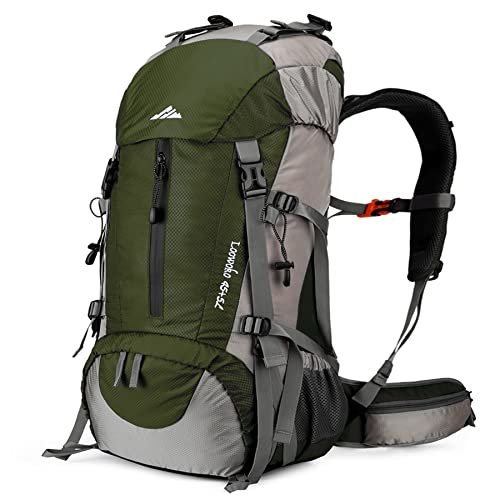
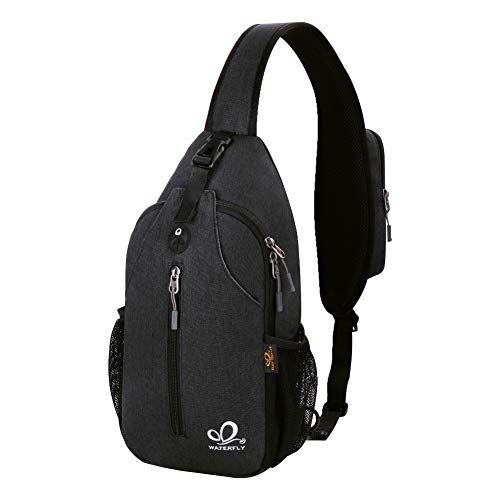
Hiking Pack Guide: Find Your Perfect Trail Companion
Choosing the right hiking pack is one of the most important decisions for any outdoor enthusiast. Learn how to select a pack that fits your body, your adventure style, and your gear list.
START EXPLORINGWhy Your Hiking Pack Matters: A hiking pack is more than a bag — it is the foundation of your comfort on the trail. A well-chosen pack distributes weight efficiently, protects your gear, and allows you to move freely. Whether you are planning a short day hike or a multi-day backpacking trip, understanding capacity, fit, and features will help you make a confident purchase decision.
Understanding Hiking Pack Capacity
Capacity is measured in liters and determines how much gear your pack can hold. Choosing the wrong capacity can leave you with an uncomfortable load or unnecessary bulk. Below is a breakdown of common capacity ranges and their intended use.
Daypacks (15–30 Liters)
Ideal for short hikes lasting a few hours. These packs carry essentials like water, snacks, a light jacket, and a first aid kit.
- Best for: Day hikes, urban walking
- Weight: Lightweight and compact
- Features: Simple suspension, few pockets
Overnight Packs (30–50 Liters)
Designed for one or two nights on the trail. These packs balance capacity with portability for lightweight backpacking.
- Best for: Overnight trips, ultralight backpacking
- Weight: Moderate
- Features: Ventilated back panels, hip belts
Multi-Day Packs (50–70+ Liters)
Built for extended trips where you carry food, shelter, and clothing for several days. These packs prioritize load support.
- Best for: Multi-day treks, expedition hiking
- Weight: Heavier but supportive
- Features: Adjustable suspension, multiple compartments
For those who enjoy combining hiking with camping, a backpacking pack offers the volume and support needed for overnight adventures. If you prefer to travel light, explore options for light backpacking where every gram counts.
How to Get the Right Fit
A hiking pack that does not fit properly can cause shoulder pain, back strain, and fatigue. Fit is determined by torso length, hip size, and strap adjustability. Always measure your torso length before buying, and look for packs with adjustable harness systems.
Torso Length
Measure from the base of your neck to the top of your hip bones. This measurement determines the pack size you need.
- Short torso: Under 18 inches
- Medium torso: 18–20 inches
- Long torso: Over 20 inches
Hip Belt
The hip belt should carry 60–80% of the pack weight. It must sit comfortably on your hip bones, not your waist.
- Look for padded, contoured belts
- Ensure it tightens securely without pinching
- Adjustable belts accommodate layering
Shoulder Straps & Sternum Strap
Shoulder straps should curve smoothly over your shoulders. The sternum strap keeps straps in place and improves stability.
- Straps should not dig into your neck
- Sternum strap should sit across your chest
- Load lifters fine-tune the fit
Key Features to Look For
Modern hiking packs come with a range of features designed to improve comfort and organization. Understanding these features helps you prioritize what matters most for your adventures.
Ventilation
Back panel ventilation keeps you cool on hot days. Look for mesh panels or suspended mesh designs that allow airflow.
- Trampoline-style back panels
- Channeled foam padding
- Moisture-wicking materials
Pockets & Organization
Strategic pocket placement keeps essentials accessible. Hip belt pockets are ideal for snacks and phones.
- Side water bottle pockets
- Front stash pocket for quick access
- Hydration sleeve compatibility
Durability & Weather Resistance
High-quality materials like ripstop nylon and polyester resist tears and abrasion. Some packs include rain covers.
- Ripstop nylon or Cordura fabric
- Water-resistant coatings
- Reinforced bottom panels
If you frequently hike in wet conditions, consider pairing your pack with waterproof tents and other weather-resistant gear. For cold-weather adventures, a winter tent and proper layering clothing are essential companions to your pack.
Hiking Pack Tiers Compared
The hiking pack market is divided into quality tiers. Understanding these tiers helps you align your purchase with your frequency of use and performance expectations.
| Tier | Best For | Materials | Suspension | Durability |
|---|---|---|---|---|
| Entry-Level | Occasional hikers, beginners | Standard polyester, basic coatings | Simple foam padding | Good for light use |
| Mid-Range | Regular hikers, weekend adventurers | Ripstop nylon, water-resistant finish | Adjustable harness, ventilated back | Excellent for frequent use |
| Premium | Serious backpackers, thru-hikers | High-denier nylon, advanced coatings | Custom suspension, load lifters | Built for years of abuse |
| Luxury | Expedition use, ultralight enthusiasts | Ultralight fabrics, carbon fiber frames | Precision-engineered suspension | Maximum performance, minimal weight |
Mid-range packs often offer the best balance of features and durability for most hikers. Premium and luxury tiers are designed for those who demand the highest performance and are willing to invest in advanced materials.
Types of Hiking Packs
Hiking packs come in several designs, each suited to different activities. Understanding these types helps you narrow down your options.
Daypacks
Compact and lightweight, daypacks are perfect for short excursions. They typically range from 15 to 30 liters and focus on simplicity and comfort.
Explore day packs for quick adventures and outdoor backpacks for versatile everyday use.
Backpacking Packs
Designed for overnight and multi-day trips, these packs offer larger capacities and robust suspension systems to carry heavier loads comfortably.
For those who combine hiking with camping, a backpacking pack is an essential investment.
Ultralight Packs
Ultralight packs prioritize minimal weight without sacrificing essential features. They are ideal for thru-hikers and fastpackers.
Learn more about ultralight outdoor gear and light backpacking techniques.
Frequently Asked Questions
Tips for Buying Your Hiking Pack
Before making a purchase, consider these practical tips to ensure you choose a pack that serves you well for years.
Try Before You Buy
Whenever possible, visit a store to try on packs with weight added. This helps you assess comfort and fit accurately.
Consider Your Gear List
Lay out all the gear you plan to carry. This helps you determine the right capacity and feature set for your needs.
Think Long-Term
A quality pack can last many years. Investing in a mid-range or premium option often pays off in comfort and durability.
For those who enjoy camping alongside hiking, explore our guides on planning a camping trip and overnight camping. If you are new to hiking, our first-time camping tips and backpacking essentials will help you prepare.
Ready to Hit the Trail?
Now that you understand how to choose the perfect hiking pack, explore our recommended gear below to find your ideal match.
VIEW RECOMMENDED PACKS