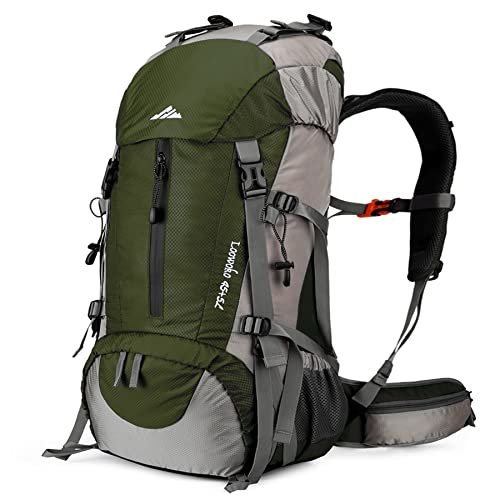
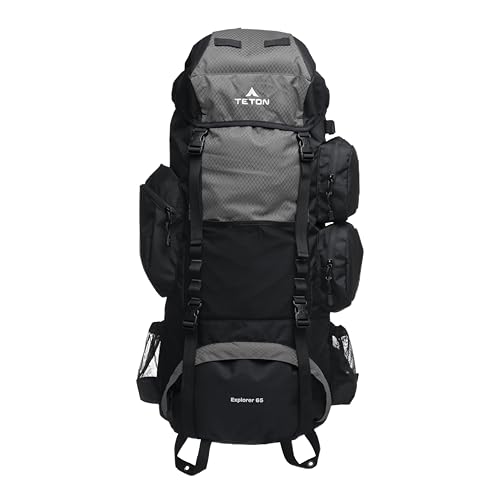
Backpacking Pack Guide: Find Your Perfect Hiking Backpack
Whether you're planning a weekend overnight or a thru-hike, choosing the right backpacking pack is the most important gear decision you'll make. We break down capacity, fit, features, and materials so you can hit the trail with confidence.
Explore Top-Rated Packs →
A backpacking pack is more than just a bag—it's your mobile basecamp. The right pack distributes weight evenly, reduces fatigue, and keeps your gear organized.
Explore outdoor backpacks that match your adventure style.
For day trips, a lightweight day pack might be all you need, but for multi-day treks, you'll want a dedicated hiking backpack with proper suspension.
In this guide, we'll cover the key factors: capacity (liters), fit (torso length and hip belt), features (pockets, hydration compatibility, access), and materials (nylon, polyester, and eco-friendly options).
We also highlight top picks for ultralight outdoor gear enthusiasts and those who need extra durability for overnight camping trips.
Backpack Capacity: How Many Liters Do You Need? liters
Day Trips (15–30 L)
Perfect for short hikes, summit pushes, or light backpacking trips. Holds a water bladder, snacks, layers, and a first-aid kit.
Entry-level
Weekend (40–55 L)
Ideal for 1–3 night trips. Carries sleeping bag, tent, cook system, and food. The sweet spot for most backpacking essentials.
Mid-range
Multi-Day (60–80 L)
For 4+ day expeditions or winter loads. Extra volume for bulkier gear, more food, and cold-weather layers.
Premium
Expedition (80+ L)
For extended trips, mountaineering, or guiding. Heavy-duty suspension and load capacity for serious hauling.
Luxury
Fit Is Everything: Adjusting Your Backpacking Pack
Torso Length
Measure from your C7 vertebra (the prominent bone at the base of your neck) to your iliac crest (top of your hip bones). Most packs are adjustable, but get the right size range.
Hip Belt
80% of the weight should rest on your hips. The hip belt should wrap around your iliac crest, not your waist. A well-fitted belt prevents shoulder strain.
Load Lifters
These straps angle from the top of the shoulder straps to the top of the pack. When tightened, they pull the load closer to your back, improving balance and posture.
✅ Backpacking Pack Checklist: Must-Have Features
- Hydration reservoir sleeve & port
- Multiple access points (top, bottom, side)
- Compression straps to stabilize load
- Removable daypack or lid
- Daisy chain or gear loops for attachments
- Rain cover included
- Durable fabric (e.g., 210D–420D nylon)
- Adjustable torso and hip belt
Popular Backpacking Packs Compared
| Model | Capacity | Weight | Fit Range | Tier |
|---|
| Osprey Atmos AG 65 | 65 L | 4.5 lbs | 16–24" | Mid-range |
| Gregory Baltoro 75 | 75 L | 5.0 lbs | 17–22" | Mid-range |
| Deuter Aircontact Lite 50+10 | 50+10 L | 3.8 lbs | 16–22" | Mid-range |
| REI Co-op Flash 55 | 55 L | 2.8 lbs | 16–21" | Entry-level |
| Hyperlite Mountain Gear 3400 | 55 L | 2.2 lbs | 16–22" | Premium |
* Specs are approximate. Always check manufacturer sizing.
Materials: Nylon, Polyester, and Eco-Fabrics
Most backpacking packs use nylon (durable, abrasion-resistant) or polyester (UV-resistant, lighter).
Denier (D) indicates thread thickness: 100D–210D for ultralight, 420D–630D for rugged use.
Many brands now offer sustainable materials like recycled nylon or bluesign®-approved fabrics.
For wet climates, consider a waterproof pack or use a rain cover.
🎒 Pro Packing Tips
- • Heavy items high and close to your back
- • Sleeping bag at the bottom
- • Rain gear and snacks in top lid or hip belt
- • Use stuff sacks for organization
- • Distribute weight evenly left/right
- • Keep water accessible in side pockets
Ready to Choose Your Backpacking Pack?
The best backpacking pack is the one that fits your body and your trip. Visit a local outfitter to get sized, or use manufacturer sizing guides.
Once you've found the perfect pack, you can confidently plan your next camping destination—from the Rocky Mountains to the Smoky Mountains and beyond.
Don't forget to check camping FAQ for additional tips on gear care and trip planning.
Disclaimer
Outdoor activities involve inherent risks. The information provided on CampLifeEssentials is for educational purposes only. We are not responsible for any injuries, losses, or damages resulting from the use of this information. Some content may use AI assistance. Always practice Leave No Trace principles and verify local regulations before camping. If you do not agree, please do not use this website.
Read the full disclaimer.