Day Packs: The Ultimate Guide to Choosing Your Perfect Outdoor Backpack
Whether you're hitting a local trail for an afternoon hike, exploring a new city, or setting up a base camp, the right day pack is your most essential piece of gear. Learn how to choose the perfect size, fit, and features for your adventures.
START YOUR RESEARCHWhy a Day Pack Matters: A well-designed day pack keeps your essentials organized, distributes weight comfortably, and moves with you on the trail. Unlike a full backpacking pack, a day pack is nimble and purpose-built for shorter excursions—typically under 30 liters. This guide will walk you through capacity, fit, features, and the best options across every tier, so you can buy with confidence.
Capacity Guide: Finding the Right Size for Your Adventures
The first and most important decision when choosing a day pack is capacity, measured in liters. This determines how much you can carry and how the pack will perform for different activities. Your choice should align with your typical outing length and what you need to bring. For a comprehensive look at how to pack for a camping trip, refer to our guide on what to take on a camping trip.
- 10–15 Liters (Ultralight / Minimalist): Best for short hikes, trail running, or as a summit pack. Fits a water bottle, snacks, a light layer, and a small first-aid kit. Ideal for fast-and-light adventures.
- 16–25 Liters (Everyday / Hiking): The most versatile size for day hiking, city exploration, and travel. Fits a lunch, 2–3 layers, a camera, and a hydration reservoir. This is the sweet spot for most hikers and travelers.
- 26–35 Liters (Extended Day / Technical): Great for longer day hikes, winter adventures (to carry extra layers), or as a climbing pack. Can accommodate a small stove, emergency shelter, and a larger water supply. If you're interested in winter camping, see our guide on winter camping gear.
- 36+ Liters (Overnight / Multi-Purpose): While technically transitioning into an overnight pack, some hikers use this size for long day trips with photography gear or for base camp setups. It offers maximum flexibility but may be overkill for casual use.
Fit and Comfort: The Key to All-Day Carry
A day pack can only be as good as its fit. A poorly fitted pack will cause fatigue, sore shoulders, and an uncomfortable experience. Here are the critical fit factors to evaluate:
Torso Length
Just like a full-size backpack, day packs come in torso lengths (small, medium, large). Measure your torso from the C7 vertebra (the bump at the base of your neck) to the iliac crest (the top of your hip bones). Most day packs are adjustable, but it's essential to match your torso length to the pack's range. A pack that's too short will pull on your shoulders; one that's too long will sag.
Hip Belt vs. Sternum Strap
For heavier loads (15+ lbs), a padded hip belt transfers weight from your shoulders to your hips, reducing fatigue. For ultralight loads, a simple webbing hip belt or a sternum strap may suffice. A sternum strap stabilizes the shoulder straps and prevents them from slipping. For a deeper dive into comfort, explore our guide on comfortable camp chairs for camp relaxation.
Ventilation
Back panel ventilation is crucial for warm-weather hikes. Look for trampoline-style suspension (like Osprey's AirSpeed) or channeled foam panels. These designs keep the pack off your back, promoting airflow and reducing sweat. This is especially important if you're planning summer camping trips.
Essential Features for Every Day Pack
Hydration Compatibility
Most modern day packs include a sleeve for a hydration bladder and a port for the hose. This allows you to drink on the move without stopping. If you prefer bottles, look for side pockets that are easy to reach.
Multiple Pockets & Organization
A top lid pocket, front stash pocket, and hip belt pockets make it easy to organize snacks, maps, and electronics. Hip belt pockets are a game-changer for quick access to your phone or trail mix.
Durable Materials
Nylon and polyester fabrics with a high denier (e.g., 210D, 420D) offer excellent abrasion resistance. Ripstop nylon is lightweight and tear-resistant. Water-resistant coatings (like DWR) or included rain covers are beneficial for wet climates. For cold-weather prep, see our guide on tents for cold and rainy weather.
Lightweight & Packable
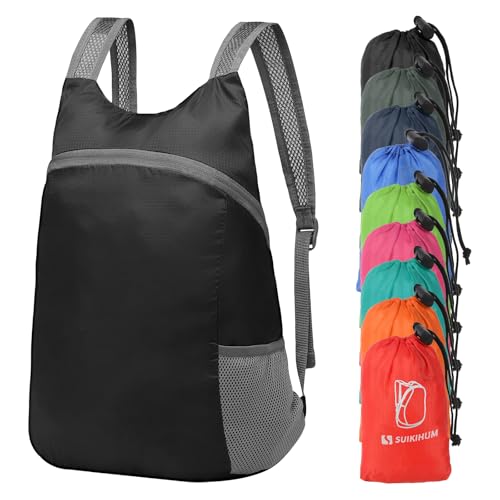
Ultralight day packs (under 1 lb) are ideal for travelers and fast hikers. Many pack into their own pocket, making them perfect as a secondary bag for ultralight backpacking gear or as a summit pack.
Day Pack Comparison: Matching Features to Activities
| Activity | Recommended Capacity | Key Features to Prioritize | Tier Guidance |
|---|---|---|---|
| Day Hiking | 16–25L | Ventilated back panel, hip belt, hydration sleeve, rain cover | Mid-range packs offer the best balance of durability and comfort. |
| Travel & City Exploration | 20–28L | Secure laptop sleeve, lockable zippers, sleek profile, anti-theft features | Entry-level to mid-range packs are sufficient; premium for frequent flyers. |
| Winter Hiking | 26–35L | Large main compartment for layers, ice axe loop, durable fabric, water resistance | Mid-range to premium for insulation and weatherproofing. Consider winter camping gear. |
| Photography / Birding | 20–30L | Padded camera insert, tripod straps, quick-access side pockets | Mid-range packs with customizable compartments work best. |
| Fast & Light / Trail Running | 10–15L | Body-hugging fit, minimal padding, vest-style straps, soft flask compatibility | Premium ultralight packs excel here; entry-level for casual use. |
Top Day Pack Recommendations by Tier
Our recommendations are based on performance, durability, and value. We use universal quality descriptors to help you understand where each pack fits in the market, without mentioning specific prices. Prices vary by retailer and season, so check the product listings below for current details.
Entry-Level / Budget-Friendly
These packs offer reliable performance for casual hikers and travelers. Look for models from reputable brands that provide a good balance of durability and comfort. They may lack premium features like advanced ventilation or lightweight materials, but they get the job done for occasional use. Consider a pack that can double as a camping backpack for short trips.
Mid-Range / Best Value
This tier represents the best value for most users. You'll find improved suspension systems, better ventilation, and more durable fabrics. These packs are ideal for regular hikers and travelers who want a reliable, comfortable pack that will last for years. Many mid-range day packs are versatile enough for both trail and travel, and can complement your hiking backpack with tent and sleeping bag setup for overnighters.
Premium / High-End
Premium day packs feature advanced materials (like ultra-durable ripstop nylon), custom-fit suspension systems, and thoughtful organizational features. They are designed for dedicated outdoor enthusiasts who demand the best performance and comfort. Brands in this tier often offer lifetime warranties. If you're serious about ultralight backpacking gear, a premium day pack is a worthwhile investment.
Luxury / Specialized
Luxury day packs cater to specific niches: ultra-minimalist designs for gram-counters, highly technical packs for climbers, or stylish, feature-rich packs for urban commuters. These packs often use innovative materials and construction techniques. While not necessary for everyone, they offer unique benefits for their intended use cases. For those who enjoy glamping, a luxury day pack can be a stylish companion for off-site excursions.
Frequently Asked Questions About Day Packs
What size day pack do I need for a full-day hike?
For most full-day hikes, a 16–25 liter pack is ideal. It provides enough space for water, lunch, extra layers, a first-aid kit, and a headlamp without being bulky. If you're hiking in winter or carrying photography gear, consider a 26–35 liter pack.
Can I use a day pack for camping?
Yes, a day pack is perfect for camping as a summit pack or for short excursions from your base camp. It's not designed to carry all your overnight gear, but it's essential for day hikes and exploring around your campsite. For overnight gear, you'll need a larger backpacking pack. See our guide on camping backpack with tent and sleeping bag.
How do I know if a day pack fits properly?
A properly fitted day pack should sit close to your back, with the hip belt (if present) resting on your hip bones and carrying most of the weight. The shoulder straps should curve around your shoulders without digging in. Always try on a pack with weight in it if possible. For more tips, see our Camping FAQ.
Are expensive day packs worth the investment?
Premium day packs often offer better durability, comfort, and features that can enhance your experience, especially if you hike frequently. However, for occasional use, a mid-range pack offers excellent value. We recommend prioritizing fit and comfort over brand or price tier. For a related discussion, see our article on are expensive tents worth it.
What features should I look for in a travel day pack?
Look for a pack with a padded laptop sleeve, lockable zippers, a secure passport pocket, and a sleek profile that doesn't scream "tourist." Anti-theft features like RFID-blocking pockets and cut-resistant straps are also valuable. Consider a pack that is comfortable for all-day walking and fits within airline carry-on size limits.
Related Guide: Before you hit the trail, make sure you have the right footwear and clothing. Our layering clothing system guide will help you stay comfortable in changing conditions. And for safety, always carry a wilderness first aid kit and know common camping injuries to watch for.