Backpacking Essential Gear Guide
Your complete resource for lightweight backpacking essentials. Discover the must-have gear, expert tips, and proven strategies to make your next backpacking adventure safe, comfortable, and unforgettable.
Why Backpacking Essentials Matter: The right gear can make the difference between an epic adventure and a miserable trip. Whether you're a first-time backpacker or a seasoned trail veteran, having the proper backpacking gear is non-negotiable. This guide covers every essential category so you can pack with confidence and hit the trail prepared for anything.
The Big Three: Shelter, Sleep, and Pack
Ultralight Tents & Shelters
Your shelter is your home on the trail. For backpacking, weight and packability are just as important as weather protection. The best ultralight tents for backpacking strike the perfect balance between durability and weight.
- 1-Person Tents: Ideal for solo hikers, weighing under 3 lbs. Check out the lightweight one-person backpacking tent options.
- 2-Person Tents: Great for couples or solo hikers who want extra space. Look for easy setup backpacking tents for quick camp assembly.
- Tarps & Hammocks: Ultralight alternatives for minimalists who want to save weight.
Sleeping Bags & Pads
A good night's sleep is crucial for trail performance. Your sleeping system should match the season and your personal comfort needs. Consider a 15-degree sleeping bag for backpacking for three-season versatility.
- Sleeping Bags: Down vs. synthetic fill. Down offers better warmth-to-weight ratio.
- Sleeping Pads: Inflatable vs. closed-cell foam. The most comfortable inflatable sleeping pad options provide excellent insulation.
- Bag Liners: Add warmth and keep your bag clean.
Cooking & Hydration Systems
Backpacking Stoves & Cookware
Hot meals and coffee make a world of difference on the trail. The best backpacking stoves are lightweight, fuel-efficient, and reliable. For simple meals, a canister stove is hard to beat. For longer trips, consider a multi-fuel stove.
- Canister Stoves: Lightweight and easy to use. Ideal for weekend trips.
- Liquid Fuel Stoves: Perform well in cold weather and at high altitudes.
- Cookware: Titanium or aluminum pots that nest together to save space.
- Spork & Utensils: Titanium sporks are durable and ultralight.
Water Filtration & Storage
Safe drinking water is non-negotiable. A reliable water filter for camping or purifier will protect you from waterborne illnesses. Pair it with lightweight water bottles or a hydration bladder.
- Filters: Pump, squeeze, or gravity systems. Choose based on group size.
- Chemical Treatment: Iodine or chlorine dioxide tablets as a backup.
- Water Storage: Collapsible containers or soft flasks for camp use.
- Hydration Bladders: Hands-free drinking on the move.
Clothing & Layering System
The Layering System
Proper clothing is essential for comfort and safety. The three-layer system works for most conditions: a base layer for moisture management, an insulating mid-layer for warmth, and a weather-resistant outer shell.
- Base Layer: Merino wool or synthetic fabrics that wick moisture.
- Mid Layer: Fleece or lightweight puffy jacket for insulation.
- Outer Shell: Rain jacket and windproof pants for protection.
- Extra Items: Hat, gloves, and warm socks for cold conditions. Check the winter layering clothing guide for colder adventures.
Footwear & Accessories
Your feet are your most important asset on the trail. Invest in quality footwear that fits well and is broken in before your trip. Trail runners are increasingly popular for their comfort and lightweight design.
- Footwear: Hiking boots or trail runners with good traction.
- Gaiters: Keep debris and snow out of your boots.
- Camp Shoes: Lightweight sandals or camp shoes for relaxing at camp.
- Socks: Merino wool socks with liners to prevent blisters.
Navigation & Safety Essentials
Navigation Tools
Getting lost is a serious risk. Carry multiple navigation tools and know how to use them. A combination of traditional map and compass with a GPS device or smartphone app provides redundancy.
- Map & Compass: Essential for navigation. Learn to use them before you go.
- GPS Devices: Handheld units like those in the best handheld GPS guide offer reliable navigation.
- Smartphone Apps: Offline maps apps are convenient but have battery limitations.
- Satellite Communicators: Devices like inReach for emergency SOS and messaging.
Safety & Emergency Gear
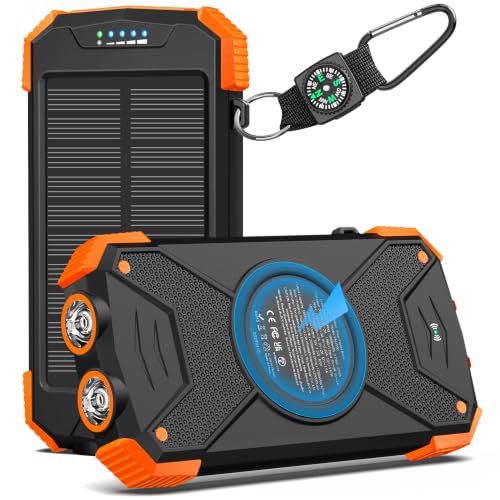
Prepare for emergencies with a well-stocked first aid kit and essential safety gear. Knowing wilderness first aid can be a lifesaver. Always carry a backup power source for your devices.
- First Aid Kit: Customized for trail injuries and conditions.
- Emergency Shelter: Bivy sack or emergency blanket.
- Fire Starter: Waterproof matches, lighter, or ferro rod.
- Headlamp: A reliable headlamp with extra batteries.
Complete Backpacking Checklist
Use this checklist to ensure you haven't forgotten anything essential for your trip. Print it out and check off each item as you pack.
🔹 Shelter & Sleep
✓ Backpacking tent
✓ Groundsheet
✓ Sleeping bag
✓ Sleeping pad
✓ Pillow (optional)
✓ Tent stakes & poles
🔹 Cooking & Hydration
✓ Stove & fuel
✓ Cookware (pot, cup)
✓ Spork or utensils
✓ Water filter
✓ Water bottles/bladder
✓ Food (2,500–3,500 cal/day)
🔹 Clothing
✓ Base layer (top & bottom)
✓ Insulating mid layer
✓ Waterproof shell
✓ Hiking pants/shorts
✓ Hiking socks (2–3 pairs)
✓ Hat & gloves
✓ Camp shoes
🔹 Navigation
✓ Topographic map
✓ Compass
✓ GPS or smartphone
✓ Satellite communicator
✓ Trail permit (if required)
🔹 Safety & First Aid
✓ First aid kit
✓ Emergency blanket
✓ Fire starter
✓ Headlamp + batteries
✓ Whistle
✓ Multi-tool
🔹 Personal Items
✓ Toothbrush & paste
✓ Sunscreen & lip balm
✓ Insect repellent
✓ Hand sanitizer
✓ Trekking poles
✓ Cash/ID/permits
Expert Tips for Backpacking Success
✅ 1. Pack Light, but Not Too Light
The goal isn't to be the lightest backpacker, but to carry a smart, comfortable load. A good rule of thumb is to keep your base weight (everything except food and water) under 20 lbs for a multi-day trip. Focus on the best backpacking gear that offers the best performance-to-weight ratio.
✅ 2. Test Your Gear Before the Trail
Never take new gear straight to the backcountry. Set up your tent in the backyard, test your stove, and break in your boots before your trip. This ensures everything works properly and you're familiar with how to use it.
✅ 3. Plan Your Meals
Plan your meals carefully to ensure you have enough calories and a variety of foods. Dehydrated meals are convenient and lightweight. Consider easy camping meals for groups if you're with friends or family.
✅ 4. Learn Basic First Aid
Knowing how to treat common camping injuries and wilderness first aid is crucial. Take a course before your trip and pack a well-stocked first aid kit.
✅ 5. Practice Leave No Trace
Protect the wilderness by practicing Leave No Trace principles. Pack out all trash, minimize campfire impacts, and respect wildlife. Our trails are a shared resource.
Ready to Hit the Trail? With the right backpacking essentials, you'll be ready for any adventure. Explore our gear guides, check out the recommended products below, and start planning your next trip. Remember, preparation is the key to a successful and enjoyable backpacking experience.