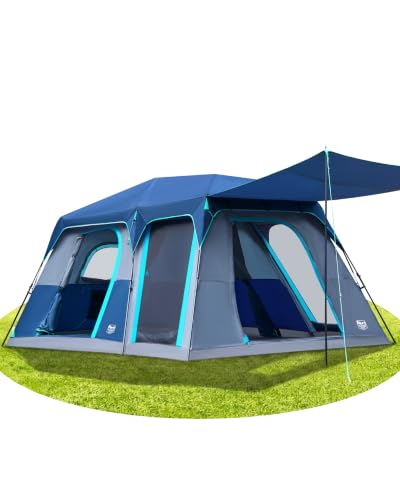
Giant Family Tent with Living Room & Private Bedroom: The Complete Buyer's Guide
Transform your family camping trip into a luxurious outdoor experience. We break down everything you need to know about mega-sized tents that offer the privacy and communal space of a cabin.
When a standard dome tent feels more like a cramped sleeping bag storage unit than a home in the wilderness, it's time to upgrade. A giant family tent with a living room and private bedroom isn't just about sleeping more people; it's about creating a basecamp where memories are made, rain or shine. These canvas or polyester mansions offer distinct zones for sleeping, dining, and relaxing, solving the biggest pain point of group camping: the lack of personal space and weather-protected communal area. Before you dive into a purchase, understanding the structural integrity, material quality, and spatial layout is crucial. This guide will walk you through every consideration, from center height and room dividers to weatherproofing and setup logistics, ensuring you choose a shelter that feels like a true home away from home.
Key Takeaway: The best giant family tents effectively mimic the layout of a small apartment. Look for models with a center height exceeding 78 inches, factory-sealed seams, and a full-coverage rainfly. The investment typically ranges from $400 to $2,500, depending on the fabric denier, pole material, and included room dividers.
Why Choose a Multi-Room Cabin Tent?
The evolution from a single-room tent to a multi-room behemoth is a game-changer for family camping. The primary advantage is the psychological comfort of defined spaces. Parents can enjoy a conversation in the screened living room after the kids have gone to sleep in a separate, darkened bedroom pod. This setup also excels in adverse weather. If a storm rolls in, you aren't trapped lying down in a sleeping bag; you can stand up, play cards at a camping table, and cook in the vestibule without feeling claustrophobic. Furthermore, these tents are the preferred choice for basecamp setups, where you might stay in one location for a week or more, and the added comfort justifies the extra weight and setup time.
Key Features to Look For
Not all large tents are created equal. To ensure you're buying a palace and not a problematic wind-sock, scrutinize these features carefully.
1. Room Configuration & Privacy
The "living room" should be a distinct, fully enclosed space, ideally with a removable floor or a groundsheet that can be easily cleaned. Look for solid fabric dividers rather than just mesh, as these provide true visual privacy for the camping bed areas. A tent with multiple entrances to different rooms is a huge plus, preventing midnight bathroom trips from disturbing the entire household. Some top-tier models even offer zippered room dividers that can transform two smaller bedrooms into one large suite, offering flexibility for group camping logistics.
2. Peak Height & Livability
Being able to stand upright is the defining luxury of these tents. A peak height of 78 to 84 inches is standard for quality cabin-style tents, allowing an average adult to change clothes comfortably. The walls should be near-vertical to maximize usable interior space. This "straight wall" design prevents the cramped feeling of dome tents where the walls slope sharply inward, making the footprint feel much smaller. This design is essential for accommodating camping cots and even portable camping sofas.
3. Weather Protection & Ventilation
A large vertical wall acts like a sail. Therefore, a robust pole structure made of steel or thick fiberglass is mandatory, along with a full-coverage rainfly. Check the hydrostatic head rating of the fabric; a minimum of 1,500mm is necessary to stay dry in sustained downpours. While the private bedroom is great for privacy, it can trap stale air. Look for high-low ventilation systems: low ground vents to pull in cool air and mesh ceiling panels to let hot air escape. A properly designed tent will manage condensation even with a large group of people sleeping inside, keeping your camping blanket dry and comfortable.
4. Setup Complexity
Do not underestimate the engineering feat of setting up a 20-foot-long tent. Lightweight instant-cabin designs using pre-attached poles have revolutionized this segment. While a traditional pole-sleeve design might be sturdier, an "instant" setup can reduce assembly time to under 2 minutes for the main body, though staking and guying out the rainfly will always add extra time. Always practice setting up a tent this large in your backyard first before heading into the wild, and refer to a family camping checklist to ensure you don't miss any critical components like ground tarps or spare stakes.
Choosing the Right Size for Your Crew
Tent capacity ratings are notoriously optimistic, often based on mummy-sized sleeping bags placed side-by-side. For a tent with a living room, you need to think in terms of "living capacity," not just "sleeping capacity."
8-Person Tents
Ideal for a family of 4-5. Often offers one bedroom and a moderate living space. Look for models around 14' x 10' for adequate comfort.
10-Person Tents
Comfortable for two families (4-6 people). Common configurations include an L-shape or a center living room flanked by two bedrooms. A floor plan of 16' x 11' is typical.
12+ Person Tents
The "mansion" class. Suits groups of 6-8 with room for gear. Expect 3 rooms, multiple entrances, and footprints exceeding 18' x 12'. Some glamping guide setups use these as semi-permanent residences.
Floor Materials and Ground Protection
In a tent this large, the floor is a critical component. A bathtub-style floor that wraps up the sides of the tent body is essential to prevent groundwater seepage. Polyethylene is generally more durable and waterproof than a simple polyester sheet. Because these tents have high foot traffic zones in the living room, placing a protective camping mat or a large outdoor rug just inside the entrance can significantly extend the life of the sewn-in floor and add a layer of insulation underfoot when using camping pillows and sleep systems.
Power, Lighting, and Organization
Managing a large space requires integrated organization. Seek out tents with built-in storage pockets, gear lofts, and cord access ports. A dedicated E-port allows you to run an extension cord from a camping generator or portable power station safely into the tent for powering camping lanterns or air pumps. Internal hanging loops for LED light strings can turn the living room into a well-lit communal hub for evening meals and games, essential for any ultimate camping packing list.
Top Accessories to Complement Your Giant Tent
To truly make the most of your canvas palace, consider pairing it with the right gear. A heavy-duty camping tarp placed underneath the tent is non-negotiable for protection. Inside, zone-specific flooring like interlocking foam tiles can define the living room space. For sleeping quarters, memory foam mattresses or high-quality camping cots with thick padding offer a far better night's rest than basic air mattresses, transforming the private bedroom into a sleep sanctuary. Don't forget a camping kitchen setup just outside the main door for meal prep without taking up living space.
Ready to experience camping without compromise? A giant family tent with dedicated rooms redefines outdoor living, making it accessible and comfortable for everyone from toddlers to grandparents. By prioritizing room layout, standing height, and weatherproof materials, you're not just buying a tent—you're securing a lifetime of unparalleled outdoor adventures. Explore our curated recommendations below to find the perfect model that fits your family's camping style.