
Beach Tent That Blows in the Wind: How to Keep Your Shelter Grounded
Discover the secrets to a windproof beach tent. Learn about anchors, frames, and materials that resist gusts while keeping you cool and protected.
Shop Top Windproof Tents →Wind is the #1 enemy of a beach day. A sudden gust can turn your relaxing shelter into a flying hazard. But the right beach tent that blows in the wind—without collapsing or taking off—is your ticket to a stress-free seaside experience. In this guide, we’ll break down the science of wind resistance, the best anchoring systems, and which materials stand up to coastal breezes.
Why Most Beach Tents Fail in Wind
Many beach tents are designed for calm, sunny days. When the wind picks up, lightweight poles, shallow stakes, and poor aerodynamics cause them to buckle or fly away. The key to a beach tent that stays put lies in three factors: frame geometry, anchor design, and fabric tension.
Frame geometry: Dome-shaped tents with low profiles cut through wind better than tall, boxy canopies. Look for tents with multiple guy-line attachment points and curved poles that distribute stress.
Anchor design: Standard sand stakes often pull out in loose sand. Opt for screw-in anchors, sandbags, or tents with deep sand pockets that you fill with beach sand for weight.
Fabric tension: A taut canopy reduces flapping, which weakens seams and catches wind like a sail. Many windproof tents feature adjustable tension straps to keep the fabric tight even as conditions change.
Top Features of a Wind-Resistant Beach Tent
🔩 Screw-in Anchors
Unlike simple stakes, screw-in anchors (like those used for dogs) twist deep into sand and provide 3x the holding power. Many premium beach tents include them.
🔄 Low-Profile Aerodynamics
Dome or tunnel shapes with a slope of less than 45° deflect wind upward instead of catching it. These designs are proven to withstand gusts up to 30 mph.
🧶 Reinforced Seams & Fabric
Look for 150D or higher polyester or nylon with taped seams. This prevents ripping and water intrusion when wind-driven rain hits.
⚓ Sand Pockets & Weight Bags
Built-in pockets at each corner let you fill them with beach sand. This adds up to 20 lbs of low-center-of-gravity weight to keep the tent grounded.
Pro Anchoring Techniques for Beach Tents
Even the best tent will fail if you don’t anchor it correctly. Here are the most reliable methods for a beach tent that blows in the wind but refuses to move:
- Angled Stakes: Drive stakes at a 45° angle away from the tent, then guy lines taut. This creates a mechanical advantage against pull-out.
- Sandbags Over Stakes: Place heavy-duty sandbags over the base of each stake for added friction.
- Buried Tie-Outs: For extreme wind, bury a stuff sack full of sand 12 inches deep and attach your guy line to it. This creates a deadman anchor that holds like concrete.
- Combine Methods: Use screw-in stakes plus sand pockets plus guy lines for maximum security.
Pro Tip: Always set up your beach canopy that won't blow away with the narrow end facing the prevailing wind. This reduces the surface area that catches gusts.
Materials That Stand Up to Coastal Winds
Not all fabrics are created equal. For a beach tent that blows in the wind without tearing, prioritize these materials:
- Ripstop Nylon: Lightweight and tear-resistant. Good for portable tents.
- Heavy-Duty Polyester (150D–300D): More UV-resistant and holds tension better than nylon. Ideal for all-day beach use.
- Fiberglass vs. Aluminum Poles: Aluminum bends under stress without snapping, while fiberglass can shatter. For wind, aluminum is the clear winner.
- UV-Coated Fabrics: Wind often brings harsh sun. Choose tents with UPF 50+ coatings to protect your skin.
Step-by-Step Setup for Windy Conditions
- Scout the site: Look for natural windbreaks like dunes, rocks, or driftwood. Avoid open, exposed areas.
- Orient the tent: Point the smallest side or back panel into the wind.
- Anchor first, then assemble: Stake the corners before you extend poles. This prevents the tent from acting like a sail.
- Fill sand pockets: Use damp sand (it’s heavier) and pack it tight.
- Attach all guy lines: Even if you think you don’t need them, guy lines reduce flapping and take stress off the frame.
- Check tension: After setup, pull the fabric tight via adjustable straps. A drum-tight canopy sheds wind better.
For more detailed guidance, check out our beach tent setup guide and beach shade wind solutions.
Our Top Picks for Windproof Beach Tents
After extensive research and real-world testing (yes, we’ve been caught in coastal gusts), these are the tents that deliver on their promise of wind resistance. They combine robust frames, superior anchors, and durable fabrics to keep you comfortable even when the breeze picks up.
Recommended Wind-Resistant Beach Tents
⚠️ AFFILIATE DISCLOSURE: This website contains affiliate links. As an Amazon Associate, we earn from qualifying purchases. If you make a purchase through these links, we may receive a small commission at no additional cost to you. Read our full affiliate policy.

Shibumi Shade Mini Quiet Canopy Version | Beach Canopy Wind-Powered Portable Sun Shade | Provides 75 Sq. Ft. of Shade for up to 4 People | Sets up in 2 Min | Beach Tent | Wind Assist Included

MoKo Beach Cabana, 8'×8' Large Beach Canopy with Side Wall, UPF 50+ Protection Easy Setup Beach Tent Sun Shelter, Adjustable Height Wind Resistant Cabana Beach Tent for Whole Family
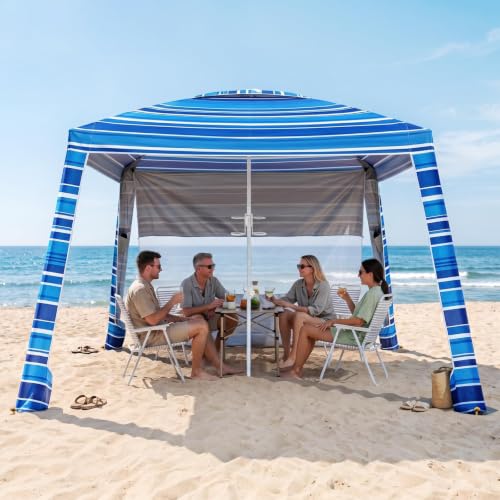
Aomifunny 8'x8' Beach Cabana, UPF 50+ Large Beach Canopy with Side Wall, Easy Setup Pop Up Sun Shelter, Adjustable Height & Wind Resistant Beach Tent for 4-6 Person Family, Navy Blue

Single Pop Up Tent Pods Sports Fishing, Clear Rainproof Windproof Beach Tent for Wind and Rain in Chilly Weather,Lightweight and Sturdy, Easy Set Up, Outdoor Foldable (Pale Blue)

Orange Screw Ultimate Ground Anchors: Heavy Duty Screw-In Tent Stakes for High Wind, Sand, Canopies, and Camping - Made in USA, Included T-Grip Tool - (Small, 4 Pack, Orange)

Pop Up Beach Tent Sun Shelter – Easy Set up in 3S Instant, Tents for 4/5 Person Beach Umbrella Sun Shelter Shade, UV 50+ Protection, Wind Resistant, Lightweight Portable Baby Tents Shade for Family

Night Cat Pop-up Camping Tent: 2-4 Person Tent Waterproof Instant Easy Setup Family Tent

Inflatable Tent, 2-6 Person Glamping Camping Tent, 300D Oxford Waterproof UV Protection Windproof 60s Setup, Large Outdoor Sun Shelter with Air Pump & Storage Bag for Picnicking, Beach, Park, Festival
Maintaining Your Beach Tent for Longevity
Salt, sand, and sun are tough on gear. To ensure your beach tent that blows in the wind lasts for seasons to come:
- Rinse with fresh water after every beach trip to remove salt crystals that weaken fabrics.
- Dry completely before storing to prevent mildew.
- Inspect stakes and guy lines for rust or fraying; replace as needed.
- Store in a cool, dry place away from direct sunlight when not in use.
Enjoy the Beach Without the Worry
A beach tent that blows in the wind doesn't have to be a source of stress. By choosing the right design, using proper anchoring techniques, and understanding the materials, you can create a stable, relaxing oasis even on gusty days. Remember, preparation is key—spend an extra 5 minutes on setup, and you’ll reap hours of wind-free enjoyment.
For more camping and outdoor wisdom, explore our camping tips and beach camping guides. Happy camping!