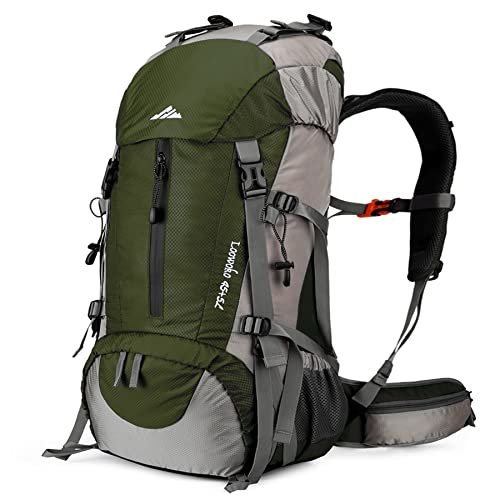
Hiking Backpacks for Men: The Complete Guide to Choosing Your Perfect Pack
Everything you need to know about finding a men's hiking backpack that fits properly, carries comfortably, and lasts for years of outdoor adventures.
START READINGWhy Trust This Guide: A hiking backpack is the single most important piece of gear you will carry. Unlike boots or jackets, your pack touches your body for hours on end and directly affects your balance, endurance, and comfort on the trail. This guide breaks down every factor that matters so you can make a confident, informed decision.
Why Your Hiking Backpack Matters More Than You Think
Most hikers focus on boots, jackets, and navigation tools, yet the backpack remains the foundation of every successful trek. A poorly fitted pack shifts weight to your shoulders, creates pressure points, and forces your body into unnatural postures that lead to fatigue and injury. A well-chosen men's hiking backpack, by contrast, distributes load through your hips and back, allowing you to walk farther with less effort.
Men's hiking backpacks differ from unisex or women's models in several important ways. Torso length tends to be longer, shoulder straps are wider and positioned differently, and hip belts are shaped to sit on a narrower hip structure. Understanding these differences is the first step toward choosing a pack that genuinely fits your body. If you are also shopping for a partner or family member, you may find our guide to hiking backpacks for women helpful for comparison.
Beyond fit, the modern hiking backpack market offers an enormous range of designs. Ultralight thru-hiking packs, heavy-hauling expedition models, technical scrambling packs, and everyday trail packs all serve different purposes. The key is matching the pack's design to your actual use rather than buying for hypothetical adventures. For those who combine hiking with camping, our overview of hiking backpacks with tent and sleeping bag capacity considerations may also be useful.
This guide walks through capacity, fit, suspension, materials, features, and loading technique. By the end, you should be able to walk into any outdoor retailer, try on a few packs, and immediately recognize which one is right for you.
Understanding Backpack Capacity: Matching Volume to Your Adventure
Capacity is measured in liters and represents the internal volume of the main compartment plus any integrated pockets. Choosing the wrong capacity is one of the most common mistakes new hikers make. Too small, and you cannot carry essentials; too large, and you will be tempted to overload the pack, which ruins comfort and increases injury risk.
Day hikes (15–30 liters): These packs carry water, snacks, a light layer, first aid, and navigation tools. They are compact, lightweight, and often feature minimal suspension because the load is low. A 20-liter pack suits most half-day and full-day hikes in mild conditions.
Overnight trips (30–50 liters): This range accommodates a sleeping bag, shelter, stove, food, and clothing for one or two nights. Packs in this class usually include a proper hip belt and a frame or framesheet to transfer weight. The 40-liter mark is a common sweet spot for lightweight overnighters.
Multi-day backpacking (50–70 liters): For trips lasting three to seven days, you need space for several days of food, fuel, and possibly a bear canister. Suspension systems become more robust, and pack weight increases accordingly. If your trips extend into colder months, review our winter camping gear guide to understand how bulkier insulation affects capacity needs.
Expedition and heavy hauling (70+ liters): These packs are designed for week-long or longer trips, winter expeditions, or carrying group gear. They are heavy even when empty and are overkill for casual hikers. Only choose this class if your trips genuinely require it.
As a rule of thumb, match your pack to your typical trip length, not your longest imagined adventure. A slightly larger pack can compress down, but an oversized pack rarely carries well when underloaded.
Getting the Fit Right: Torso Length, Hip Belt, and Shoulder Straps
Fit determines whether a backpack feels like an extension of your body or a burden. Three measurements matter most: torso length, hip belt size, and shoulder strap positioning.
Torso length is the distance from the base of your neck (C7 vertebra) to the top of your hip bones. This measurement, not your height, determines your pack size. Men's torsos commonly range from about 16 to 22 inches. Most manufacturers offer small, medium, and large torso sizes, and some allow adjustment within a range.
The hip belt should wrap around the top of your hip bones, not your waist. When properly tightened, roughly 70 to 80 percent of the pack's weight should rest on your hips, with the shoulder straps primarily stabilizing the load. A hip belt that sits too high or too low will cause the pack to sag or ride uncomfortably. Men's hip belts are typically shaped with less curvature than women's to match a straighter hip profile.
Shoulder straps should curve over your shoulders and anchor near your collarbone without pressing on your neck. They should not carry the majority of the weight. If your shoulders ache after an hour, the pack is not fitted correctly or the suspension is inadequate for the load.
When trying on a pack, load it with 20 to 30 pounds of weight and walk around the store for at least fifteen minutes. Adjust the hip belt first, then the shoulder straps, then the load-lifter straps and sternum strap. Small changes make large differences. If you are new to overnight hiking, our backpacking for beginners guide walks through these adjustments in more detail.
Suspension Systems: Internal Frames, External Frames, and Frameless Packs
The suspension system is the structural backbone of a hiking backpack. It determines how weight transfers to your hips and how the pack behaves under load.
Frameless packs rely on careful packing and sometimes a sleeping pad for structure. They are ultralight and ideal for loads under 20 pounds. Thru-hikers and fastpackers favor them, but they demand packing discipline and are unforgiving for beginners.
Internal frame packs dominate the market. A frame or framesheet, often made of aluminum or composite materials, runs vertically inside the pack and transfers weight to the hip belt. These packs hug the body, move naturally with you, and suit everything from day hikes to multi-day trips. Most men's hiking backpacks fall into this category.
External frame packs place the frame outside the pack bag, creating a rigid structure with excellent ventilation and load stability. They are heavier and bulkier but excel for very heavy loads on established trails. They have largely fallen out of fashion but remain a valid choice for some users.
Ventilation is a related consideration. Some packs use mesh back panels to create an air gap between the pack and your back, reducing sweat. Others sit flush against the body for better stability. Neither approach is universally better; the right choice depends on your climate and load.
Materials and Durability: What Makes a Backpack Last
Backpack materials fall into a few broad categories, each with trade-offs between weight, durability, and water resistance.
Nylon is the most common material. It is strong, lightweight, and resists abrasion well. Higher denier numbers indicate thicker, more durable fabric. A 210-denier nylon is typical for lightweight packs, while 420 to 500 denier appears in heavier-duty models. Ripstop weaves add tear resistance.
Polyester is slightly heavier than nylon and less abrasion-resistant but more UV-stable and often less expensive. It appears frequently in entry-level and mid-range packs.
Ultra-high-molecular-weight polyethylene (UHMWPE) fabrics, sold under brand names such as Dyneema, offer exceptional strength-to-weight ratios and are used in premium ultralight packs. They are expensive and less abrasion-resistant than nylon in some contexts.
Water resistance varies. Most packs are water-repellent but not waterproof. Seams, zippers, and fabric coatings all affect performance. Many hikers use a pack cover or internal dry bags rather than relying on the pack itself. If you hike in wet climates, our guides to setting up a tent in the rain and camping in a tent in the rain offer related strategies for managing moisture.
Zippers, buckles, and stitching are often the first components to fail. Look for YKK zippers, durable acetal buckles from brands like Duraflex or Woojin, and bar-tacked stress points. These details separate packs that last a decade from those that fail after a few seasons. If you want to understand how tent materials compare, our article on whether nylon or polyester is better for tents covers similar principles.
Key Features: Pockets, Access, Hydration, and Organization
Features should serve your hiking style rather than add unnecessary weight. Here are the ones that matter most.
Top lid vs. roll-top closure: Top lids offer quick access and often convert to a summit pack. Roll-tops are lighter and more water-resistant but slower to open. Both are valid; choose based on your priorities.
Front and side pockets: Side pockets hold water bottles or trekking poles. Front pockets, often made of mesh, store wet items or layers you need quickly. Hip belt pockets are invaluable for snacks, phones, and maps.
Hydration compatibility: Most modern packs include a sleeve for a hydration bladder and a port for the drinking tube. This is a near-universal feature, but confirm the sleeve fits your bladder size.
Compression straps: These cinch the pack down when partially loaded, stabilizing the contents and reducing bulk. They also attach gear externally, such as a foam pad or tent.
Bottom access: A separate sleeping bag compartment with its own zipper is convenient but adds weight. Some hikers prefer a single large compartment for simplicity and weight savings.
Trekking pole and ice axe loops: Essential for technical terrain and winter hiking. If you hike in cold conditions, our winter camping and avalanche safety guides discuss how these attachments integrate with broader safety systems.
Rain cover: Some packs include one; others sell it separately. A rain cover protects against sustained rain, though internal dry bags remain the most reliable approach.
How to Pack a Hiking Backpack for Comfort and Balance
Even the best backpack performs poorly if packed incorrectly. The goal is to place weight close to your spine and centered between your shoulder blades, with heavier items low and near your back.
Heavy items in the middle: Place your stove, food, and water in the center of the pack, against your back. This keeps the center of gravity close to your body and reduces strain.
Light items at the bottom: Sleeping bags and spare clothing go at the bottom. They are light and compress well, filling space without raising your center of gravity.
Frequently used items on top or in pockets: Rain gear, snacks, maps, and first aid should be accessible without unpacking. Hip belt pockets and top lids serve this purpose.
Balance left and right: Distribute weight evenly to prevent the pack from listing to one side, which causes muscular fatigue over long distances.
Use compression straps: Tighten them to prevent contents from shifting. A shifting load is uncomfortable and can throw off your balance on uneven terrain.
Practice packing at home before your trip. A well-packed pack feels stable and quiet; a poorly packed one rattles, shifts, and tires you out. Our camping essentials checklist can help ensure you are not forgetting critical items, and our what to bring on a camping trip guide offers a broader packing framework.
Entry-Level, Mid-Range, and Premium: Choosing Your Tier
Hiking backpacks span a wide range of quality and design. Understanding the general differences between tiers helps you decide where to invest.
Entry-level packs use basic materials and simple suspension systems. They suit casual day hikes and occasional use. They are heavier relative to their capacity and less adjustable, but they are perfectly adequate for light loads on maintained trails.
Mid-range packs offer better suspension, more durable fabrics, and improved adjustment systems. This tier represents the best balance for most hikers, offering comfort on multi-day trips without the premium cost of specialist models. Many experienced hikers find that a well-chosen mid-range pack meets all their needs.
Premium packs use advanced materials, refined suspension designs, and meticulous construction. They are lighter, more durable, or both, and they often include thoughtful details that matter on long expeditions. They are not necessary for casual hikers, but they reward frequent users with better performance over years of use.
Consider your hiking frequency and trip intensity. Someone who hikes twice a year on day trails will be well served by an entry-level or mid-range pack. A thru-hiker or mountaineer will benefit from premium construction and design. If you are also considering the broader gear ecosystem, our guides to camping backpacks with tent and sleeping bag capacity and hiking attire for men provide related context.
Common Mistakes to Avoid When Buying a Men's Hiking Backpack
Buying by brand rather than fit: Every brand fits differently. A premium pack from one manufacturer may fit you poorly, while a mid-range pack from another fits perfectly. Always try before you buy.
Overestimating capacity needs: Buying a 65-liter pack for day hikes leads to overloading and discomfort. Start with the capacity your typical trips require.
Ignoring torso length: Height is not a proxy for torso length. Measure your torso or have a professional do it. A pack that is too short or too long will never carry comfortably.
Skimping on hip belt quality: The hip belt is the most important component for load transfer. A thin or poorly padded hip belt undermines even the best suspension design.
Neglecting to test with weight: Trying on an empty pack tells you almost nothing. Load it with 20 to 30 pounds to simulate real conditions.
Prioritizing features over fundamentals: A pack with a dozen pockets but poor suspension is worse than a simple pack that carries well. Fundamentals first, features second.
Forgetting about maintenance: Backpacks need occasional cleaning, zipper lubrication, and inspection for wear. A well-maintained pack lasts far longer. For broader outdoor skills, our first time camping tips and Leave No Trace principles guides cover responsible outdoor practices.
Frequently Asked Questions About Hiking Backpacks for Men
How do I measure my torso length for a hiking backpack?
Tilt your head forward and locate the bony bump at the base of your neck (C7 vertebra). Have someone measure from that point down to the top of your hip bones, following the curve of your spine. This measurement in inches or centimeters determines your pack size.
What size backpack do I need for a day hike?
Most day hikers need 15 to 30 liters. A 20-liter pack handles water, snacks, a light layer, and basic safety gear for a full day. If you carry camera equipment or extra layers, consider 25 to 30 liters.
Can I use a men's backpack if I am not male?
Yes, if it fits your torso and hips. Fit matters more than marketing labels. However, men's packs are designed around longer torsos and different hip shapes, so try both men's and women's models before deciding.
How much weight can a hiking backpack carry comfortably?
It depends on the suspension. Frameless packs handle up to about 20 pounds. Internal frame packs range from 30 to 50 pounds depending on design. External frame and expedition packs can carry 60 pounds or more. Stay within the pack's designed range.
Are expensive hiking backpacks worth it?
For frequent hikers and those carrying heavy loads, yes. Premium packs offer better suspension, lighter materials, and greater durability. For occasional day hikers, a mid-range pack often provides better value. Our guide to whether expensive tents are worth it explores similar value questions.
How do I clean and maintain my hiking backpack?
Empty all pockets, remove the frame if possible, and hand wash with mild soap and warm water. Rinse thoroughly and air dry away from direct sunlight. Lubricate zippers with silicone-based products and inspect seams and buckles for wear before each trip.
What is the difference between a hiking backpack and a camping backpack?
The terms overlap. Hiking backpacks generally emphasize mobility and lighter loads for moving on trails. Camping backpacks may prioritize capacity and organization for basecamp-style trips. Many packs serve both purposes.
Should I buy a backpack with a rain cover included?
It is convenient but not essential. Many hikers use internal dry bags instead, which protect contents more reliably. If your pack does not include a cover, you can buy one separately or use a pack liner.
Final Thoughts: Choosing Your Perfect Men's Hiking Backpack
A hiking backpack is a long-term investment in your comfort and enjoyment outdoors. Take the time to measure your torso, try on multiple packs with weight, and choose a capacity that matches your actual trips. Prioritize fit and suspension over features, and do not be swayed by brand names alone.
Whether you are planning your first overnight trip or upgrading a well-worn pack, the principles in this guide apply. Match the pack to your body and your adventures, and it will serve you faithfully for years. If you are building out your gear kit, explore our related guides on necessities for car camping, camping equipment for car, and outdoor camping to round out your preparation.
For those who hike with family or partners, our hiking backpack for women guide offers parallel advice tailored to different body proportions. And if you are curious about other pack styles, our articles on cool backpacks for guys and cool backpacks for laptops cover urban and travel-oriented designs.
Choose wisely, pack carefully, and enjoy the trail.