Campers: Your Complete Guide to Choosing the Right Vehicle
Discover the differences between truck campers, travel trailers, and RVs. Learn how to select the perfect camper for your adventures, whether you're a weekend warrior or a full-time nomad.
The term "campers" encompasses a wide range of recreational vehicles, from simple slide-in truck campers to luxurious motorhomes. Each type offers a unique set of advantages and trade-offs, and understanding these differences is the first step toward finding the perfect home away from home. This guide will walk you through the most common camper types, helping you match a vehicle to your travel style, budget, and practical needs.
Types of Campers: Find Your Perfect Fit
When researching campers, it's helpful to break them down into three main categories: truck campers, towable trailers, and motorized RVs. Each category has distinct sub-types designed for different needs and terrains.
Truck Campers
A truck camper, also known as a slide-in camper, is a self-contained unit that sits in the bed of a pickup truck. They are a popular choice for their maneuverability and off-grid capabilities. If you already own a suitable truck, a slide-in camper can be a highly versatile option. For those looking to buy used, there are many used slide-in truck campers for sale that offer a great entry point into this style of camping. A key consideration is the size of your truck bed; for instance, a slide-in truck camper for a 6-foot bed is a common configuration.
Truck campers are ideal for navigating narrow forest roads and reaching remote campsites where larger RVs cannot go. They typically feature a cab-over section for the bed, a small dinette, and a compact kitchen. Some models are designed for specific truck types, such as tents that go in the back of a pickup, offering a more rugged, tent-like experience. For a complete setup, many people look for a truck camper with truck for sale, simplifying the acquisition process.
Towable Trailers
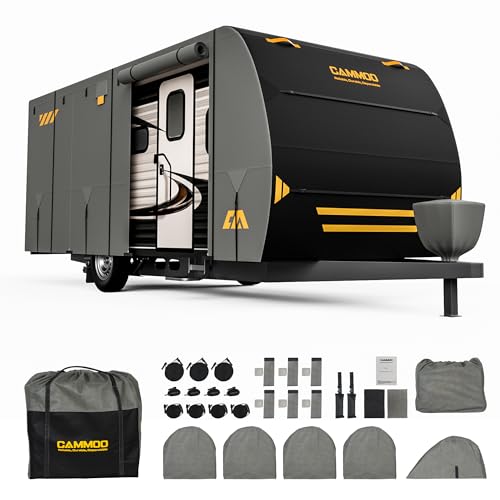
Towable campers are trailers that you pull behind a vehicle. They range from small, lightweight models that can be pulled by a car to large fifth-wheel trailers. Travel trailers are a fantastic choice because they allow you to unhitch your vehicle for local exploring. There are even campers that can be pulled by a car, making this an accessible option for many.
Pop-up campers are a lightweight and compact variant that folds down for easy towing and storage. You can find a variety of pre-owned pop-up campers for sale if you're looking for a budget-friendly option. For those seeking more space, a Class C camper for sale offers a great balance of size and drivability, often built on a van or truck chassis. Another popular option is campground trailers for sale, which are designed for semi-permanent placement at a campsite.
Motorized RVs
Motorized RVs, or motorhomes, are vehicles that combine living space and driving capability in one unit. They come in three main classes: Class A (the largest, bus-like models), Class B (camper vans), and Class C (the mid-sized, van-based models). While they offer the ultimate in convenience, they are typically more expensive and less agile than truck campers or small trailers. For those interested in a van-based lifestyle, exploring van camping options is a great start.
Camper Type Comparison
To help you visualize the differences, here is a quick comparison of the main camper categories:
| Feature | Truck Campers | Towable Trailers | Motorized RVs |
|---|---|---|---|
| Maneuverability | Excellent | Good (with practice) | Fair |
| Setup Time | Very Quick | Moderate | Instant |
| Off-Grid Access | Excellent | Moderate | Limited |
| Space & Comfort | Compact | Spacious | Varies by Class |
| Vehicle Needed | Heavy-Duty Truck | Properly Equipped Tow Vehicle | None (Self-Contained) |
| Typical Market Tier | Mid-range to Premium | Entry-level to Luxury | Premium to Luxury |
Key Factors When Choosing a Camper
Before you commit to a specific type, consider these critical factors to ensure your camper matches your lifestyle.
- Tow Vehicle Capacity: If you're considering a trailer or a truck bed tent, you must ensure your vehicle can safely tow and handle the weight. This includes understanding payload, gross vehicle weight rating (GVWR), and tongue weight. A weight distribution hitch guide can be an invaluable resource for safe towing.
- Travel Style: Are you a weekend camper who stays at developed campgrounds, or do you plan to boondock in remote areas? Truck campers and rugged trailers excel in the latter, while large RVs are best for established RV parks. You can find many options by searching for RV parks close to me to see what's available in your area.
- Budget & Market Tier: Campers are available across a wide spectrum of the market, from entry-level models to luxury fifth-wheels. Your budget will dictate whether you look at new, used, or a used camping gear marketplace for other essentials.
- Space and Amenities: How many people will be traveling? Do you need a full bathroom, a dedicated sleeping area, and a kitchen? Larger families might prefer a big family tent with rooms and living room, while a camper offers similar space with hard walls. For ultimate comfort, some models, like a giant family tent with a living room and private bedroom, provide a comparable layout in a soft-sided package.
- Storage and Maintenance: Where will you store your camper when not in use? RVs and large trailers require significant space. Maintenance is also a factor, as both motorized and towable units have mechanical systems that need regular attention.
Setting Up Camp Like a Pro
Once you've chosen your camper, mastering the setup process is key to a stress-free trip. While motorized RVs are the simplest—just park and level—towables and truck campers require a bit more effort. Practicing your setup at home before your first trip is highly recommended. For those who prefer a more traditional setup, learning how to set up a tent in the rain or set up a tent on the beach can provide valuable skills that translate to any outdoor adventure. If you're considering a hybrid approach, a tent for the back of a SUV can offer a quick and easy shelter solution.