What Is a Canvas Sleeping Bag?
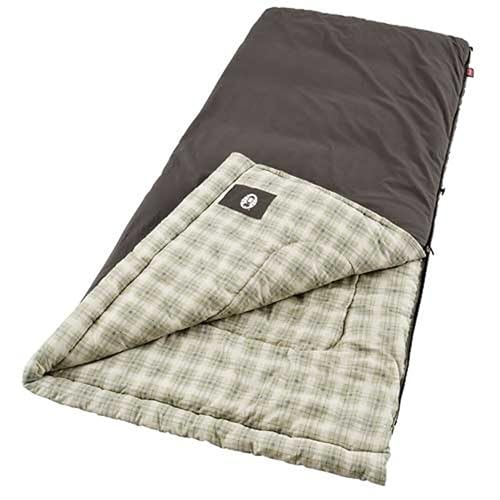
A canvas sleeping bag is a type of sleeping bag made from cotton canvas or waxed cotton canvas as its outer shell. Unlike modern nylon or polyester bags, canvas bags have a distinctly traditional feel. They are often associated with camping in colder conditions, bushcraft, and heritage camping styles. The canvas outer layer is typically paired with a flannel or cotton lining, and insulation may be wool, cotton, or synthetic fill.
Canvas sleeping bags are sometimes called "bedrolls" or "swags" when they incorporate a mattress sleeve. Their rugged construction means they can handle rough ground, campfire sparks, and years of use without developing tears. If you appreciate gear that ages gracefully, a canvas bag might be your best match.
Why Choose a Canvas Sleeping Bag?
Modern campers have many options, from ultralight synthetics to down-filled mummies. So why would anyone choose a canvas bag? Here are the main reasons:
- Exceptional durability: Canvas resists abrasion, punctures, and sparks far better than thin nylon. It's ideal for winter camping or rugged environments.
- Breathability: Cotton canvas allows moisture vapor to escape, reducing condensation inside the bag. This is a big plus for campers who sweat during the night.
- Natural feel: Many people prefer the soft, matte texture of canvas over slippery synthetic fabrics. It feels more like a traditional blanket.
- Timeless aesthetic: Canvas bags have a classic look that pairs beautifully with canvas tents and vintage camp gear.
- Versatility: Many canvas bags can be unzipped completely and used as a blanket or ground cover.
Of course, canvas bags are heavier and bulkier than synthetic alternatives. They also require more careful drying to prevent mildew. But for car campers, base campers, and those who prioritize longevity over weight, canvas is a compelling choice.
💡 Pro tip: If you often camp in damp conditions, consider a waxed canvas bag. The wax treatment adds water resistance, though it also increases weight and reduces breathability slightly. For dry climates, unwaxed canvas is lighter and more breathable.
Types of Canvas Sleeping Bags
Canvas sleeping bags come in several styles, each suited to different camping needs. Understanding these categories will help you narrow down your options.
1. Traditional Rectangular Canvas Bags
These are the classic "bedroll" style. They are rectangular, often unzip fully into a quilt, and may include a flannel lining. They are great for car camping and winter camping because they offer plenty of room to move. Many can be paired with a foam camping pad for extra insulation.
2. Waxed Canvas Bedrolls
A waxed canvas bedroll typically combines a sleeping bag and a ground sheet in one. The waxed outer layer sheds light rain and moisture, making it a favorite among bushcrafters and primitive campers. These are often heavier but extremely tough.
3. Canvas Mummy Bags (Rare)
Mummy-style canvas bags are less common because the tight fit doesn't suit the bulky nature of canvas. However, some manufacturers offer hybrid designs that taper slightly for warmth while retaining canvas's breathability.
4. Canvas Swags
Popular in Australia, a swag is a canvas bedroll with a built-in mattress and sometimes a hoop frame to keep the fabric off your face. They are excellent for car camping and quick overnighters.
How to Choose the Right Canvas Sleeping Bag
When shopping for a canvas sleeping bag, consider these key factors:
Temperature Rating
Canvas bags are often rated for specific temperature ranges. A three-season canvas bag might keep you comfortable down to around freezing, while a winter canvas bag can handle much colder temperatures. Always check the manufacturer's rating and consider your own cold tolerance. If you sleep cold, look for a bag with a lower rating or plan to add a sleeping bag liner.
Insulation Type
Canvas bags may use wool, cotton, or synthetic fill. Wool is warm even when damp and naturally temperature-regulating, but it's heavy. Synthetic fill is lighter and dries faster. Cotton is breathable but loses insulation when wet. Choose based on your climate and priorities.
Weight and Packability
Canvas bags are not for ultralight backpacking. They are best for car camping, canoe trips, or base camps where weight isn't a primary concern. If you need a bag for backpacking, a synthetic or down bag is a better choice.
Size and Shape
Rectangular bags offer the most room. If you share a tent with a partner, consider a double sleeping bag or two bags that can zip together. Canvas bags tend to be bulkier, so check the packed dimensions if storage space is tight.
Water Resistance
Waxed canvas is water-resistant but not waterproof. Unwaxed canvas absorbs water. If you camp in wet conditions, a waxed bag or a tarp overhead is essential.
Care and Maintenance
Canvas bags should be aired out and dried thoroughly after each trip. Never store them compressed. Waxed canvas may need re-waxing periodically to maintain water resistance. Spot clean with a damp cloth; avoid machine washing unless the manufacturer says it's safe.
Canvas vs. Synthetic vs. Down: A Comparison
To help you decide, here's a quick comparison of canvas sleeping bags against synthetic and down alternatives.
| Feature | Canvas | Synthetic | Down |
|---|---|---|---|
| Durability | Excellent | Good | Moderate |
| Breathability | Excellent | Moderate | Good |
| Weight | Heavy | Moderate | Light |
| Packability | Bulky | Moderate | Excellent |
| Water Resistance | Fair (waxed: good) | Good | Poor (unless treated) |
| Warmth when wet | Fair (wool fill: good) | Good | Poor |
| Best for | Car camping, bushcraft, durability | All-around, damp climates | Backpacking, cold dry climates |
As you can see, canvas excels in durability and breathability but lags in weight and packability. If you're a car camper who values a bag that will last decades, canvas is a strong contender.
Pros and Cons of Canvas Sleeping Bags
✅ Pros
- Extremely durable and abrasion-resistant
- Breathable, reducing condensation
- Natural, comfortable feel
- Timeless aesthetic
- Can be used as a blanket or ground cover
- Waxed versions offer water resistance
❌ Cons
- Heavy and bulky
- Not ideal for backpacking
- Requires careful drying to prevent mildew
- Unwaxed canvas absorbs water
- Typically more expensive than basic synthetic bags
- Limited mummy-style options
Who Should Buy a Canvas Sleeping Bag?
Canvas sleeping bags are ideal for:
- Car campers and overlanders who have space for bulky gear and want a durable, comfortable bag.
- Bushcrafters and traditional campers who appreciate natural materials and timeless design.
- Cold-weather campers who pair a canvas bag with a winter camping gear setup.
- Campers who hate synthetic fabrics and prefer the feel of cotton and wool.
- Those who want a bag that doubles as a quilt for lounging around camp.
If you're a backpacker counting every ounce, a canvas bag is probably not for you. But if you value durability and comfort over weight, canvas is a worthy investment.
How to Care for Your Canvas Sleeping Bag
Proper care will extend the life of your canvas bag for many years.
- Air it out: After every trip, hang your bag in a dry, shaded area to air out moisture.
- Clean gently: Spot clean with a damp cloth and mild soap. Avoid harsh detergents.
- Dry thoroughly: Never store a damp canvas bag. Mildew can ruin the fabric.
- Store loosely: Keep your bag in a large cotton storage sack, not a compression sack.
- Re-wax if needed: Waxed canvas may need re-waxing every few years to maintain water resistance.
With proper care, a canvas sleeping bag can last for decades, making it a sustainable choice for campers who want to reduce waste.
Frequently Asked Questions About Canvas Sleeping Bags
Are canvas sleeping bags warm?
Yes, canvas bags can be very warm, especially those filled with wool or synthetic insulation. The canvas outer layer blocks wind and adds durability, while the insulation traps heat. However, warmth depends on the fill and the bag's temperature rating.
Can I wash a canvas sleeping bag in a machine?
Most manufacturers recommend against machine washing canvas bags, as it can damage the fabric and insulation. Spot cleaning and airing out are usually sufficient. Always check the care label.
Is waxed canvas better than unwaxed?
Waxed canvas is more water-resistant and durable, but it's heavier and less breathable. Unwaxed canvas is lighter and more breathable but absorbs water. Choose based on your climate and camping style.
Can I use a canvas sleeping bag for backpacking?
It's not recommended. Canvas bags are heavy and bulky, making them unsuitable for long treks. For backpacking, look for a lightweight synthetic or down bag.
How do I store a canvas sleeping bag?
Store it loosely in a breathable cotton sack, away from moisture and direct sunlight. Never store it compressed, as this can damage the insulation over time.
Final Thoughts: Is a Canvas Sleeping Bag Right for You?
Canvas sleeping bags are a niche but beloved category of camping gear. They appeal to campers who value durability, breathability, and a connection to traditional camping. While they aren't the lightest or most packable option, they offer a level of ruggedness and comfort that few synthetic bags can match.
If you're a car camper, bushcrafter, or someone who simply loves the feel of natural fabrics, a canvas sleeping bag could become your most trusted piece of gear. Pair it with a foam camping pad and a canvas tent for a classic camp setup that will last for years.
Ready to explore canvas sleeping bags? Check out our recommended products below to find the perfect match for your next adventure.