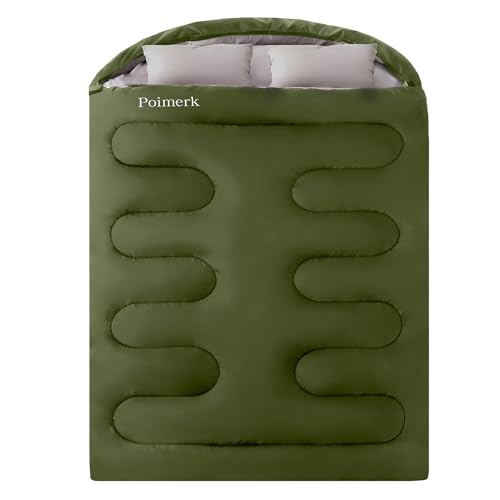
Double Sleeping Bags: The Complete Guide for Couples & Campers
Everything you need to know about choosing, using, and caring for a two-person sleeping bag — from temperature ratings to insulation types and real-world comfort.
START READINGCampLifeEssentials Philosophy: A double sleeping bag can transform your camping experience — but only if it matches your body size, sleep style, and the conditions you camp in. This guide helps you make a confident, informed decision before you buy.
Why Choose a Double Sleeping Bag?
A double sleeping bag — also called a two-person or couple sleeping bag — is designed to accommodate two sleepers side by side. Unlike two separate bags, a double bag eliminates the cold gap between sleepers, allows shared warmth, and often saves space in your tent. For couples, it can be a game-changer for comfort and intimacy in the outdoors.
However, double bags are not simply "two singles sewn together." They come in different shapes, insulation types, and temperature ratings. Some are rectangular and roomy, while others are mummy-style for weight savings. Your choice depends on whether you prioritize packability, warmth, or sprawling space. If you're still deciding between a double bag and separate sleep systems, our guide on tent vs hammock can help you think through your overall sleep setup.
One common misconception is that a double bag is always heavier than two singles. In reality, a well-designed double bag can share insulation and shell fabric, making it lighter per person than two equivalent singles. The trade-off is usually in versatility — one person may prefer a different temperature rating than the other.
Key Factors When Choosing a Double Sleeping Bag
1. Shape and Size
Double bags come in three main shapes: rectangular, semi-rectangular, and mummy. Rectangular bags offer the most room and often can be unzipped completely to serve as a quilt. Semi-rectangular bags balance roominess with thermal efficiency. Mummy-style double bags are rare but exist for weight-conscious backpackers. Always check the internal dimensions — some "double" bags are only slightly wider than a single.
2. Temperature Rating
Temperature ratings are standardized (EN/ISO) but can be confusing. Look for the "comfort" rating rather than the "limit" or "extreme" rating. A bag rated for 20°F comfort is suitable for cold-weather camping, while a 40°F bag is better for summer. If you camp in variable conditions, consider a bag with a lower comfort rating and vent it when warm. For deeper guidance, see our sleeping bag temperature guide.
3. Insulation Type
Down insulation offers the best warmth-to-weight ratio and packs smaller, but it loses loft when wet and costs more. Synthetic insulation is heavier and bulkier but retains warmth when damp and is more budget-friendly. For double bags, synthetic is often a practical choice because the larger surface area makes down's weight advantage less critical. If you camp in wet climates, synthetic is the safer bet.
4. Zipper Configuration
Most double bags have a single zipper on one side or a full-length zipper on both sides. A two-sided zipper allows each sleeper to vent independently — a major comfort feature. Some bags also have a "coupler" zipper that lets you join two singles, but dedicated double bags usually provide a better fit. Check whether the zipper is anti-snag and whether it has a draft tube to prevent cold spots.
5. Packability and Weight
If you're car camping, weight and packed size matter less. If you're backpacking, every ounce counts. Down double bags can pack down to the size of a small watermelon, while synthetic bags may take up half your pack. Consider whether you'll be carrying the bag any distance. For backpacking trips, you might also want to check our backpacking trip checklist to ensure you have everything you need.
Double Sleeping Bag Types Compared
Here's a quick comparison of the most common double sleeping bag styles. Use the quality tier descriptors to understand where each type typically sits in the market.
Rectangular Double
Roomiest option. Often unzips into a quilt. Best for car camping and warm weather.
Insulation: Synthetic or down
Weight: Heavier
Entry-level to mid-rangeSemi-Rectangular Double
Balances space and thermal efficiency. Good for three-season camping.
Insulation: Often down
Weight: Moderate
Mid-range to premiumMummy Double
Lightest and warmest per weight. Less room for movement. Best for backpacking couples.
Insulation: High-fill down
Weight: Lightest
Premium to luxuryDouble Quilt
No hood or zipper. Sleeps like a blanket. Great for mild weather and couples who move a lot.
Insulation: Down or synthetic
Weight: Light
Mid-range to premiumWhen comparing bags, remember that a higher tier generally means better materials, more refined construction, and often a more comfortable temperature rating. However, an entry-level bag from a reputable brand may outperform a no-name premium bag. Focus on the features that matter most to you: warmth, packability, or roominess.
Pros and Cons of Double Sleeping Bags
✅ Advantages
- Shared warmth — no cold gap between sleepers
- Space-efficient in the tent
- Often lighter per person than two singles
- More intimate and comfortable for couples
- Some can be unzipped into a large quilt
❌ Disadvantages
- Less versatility — one temperature rating for both
- Can be bulky to pack
- Restless sleepers may disturb each other
- Not ideal if one partner sleeps much warmer
- Higher cost than two basic singles
If you and your partner have very different sleep temperatures, a double bag with independent ventilation (dual zippers) can mitigate the issue. Alternatively, consider two separate bags that can be zipped together — but verify the zipper compatibility first. For solo campers who want extra room, a double bag can also work as a luxurious single. If you're leaning toward a solo setup, our guide on is camping alone safe covers important considerations.
How to Choose the Right Double Sleeping Bag
Follow this step-by-step approach to narrow down your options:
- Determine your camping style: Car camping, backpacking, or a mix? Car campers can prioritize comfort and roominess. Backpackers need lightweight and packable.
- Know your temperature range: Will you camp in summer only, or in shoulder seasons? Choose a comfort rating at least 10°F below the coldest temperature you expect.
- Decide on insulation: Down for weight and packability; synthetic for wet conditions and budget.
- Check dimensions: Measure your sleeping pad width and add a few inches. A bag that's too narrow will compress insulation and feel cold.
- Look for dual zippers: Independent ventilation is a major comfort feature for couples.
- Consider a sleeping pad system: A double sleeping bag pairs well with a double sleeping pad for a seamless sleep surface. Some bags have pad sleeves or straps to keep everything in place.
- Read reviews: Look for comments on true-to-size fit, zipper durability, and warmth accuracy.
If you're also upgrading your tent, our article on how to choose tent size can help you ensure your tent is large enough for a double bag plus gear. And if you're new to camping, our first time camping tips will help you avoid common mistakes.
Caring for Your Double Sleeping Bag
A double sleeping bag is an investment — proper care extends its life and keeps it performing at its best.
- Always use a sleeping pad underneath: This protects the bag from abrasion and adds insulation from the ground.
- Air it out after each trip: Hang it loosely or lay it flat to dry. Avoid direct sunlight for prolonged periods.
- Wash sparingly: Use a front-loading washer and a gentle, down-specific or synthetic-friendly cleaner. Never use fabric softener.
- Dry thoroughly: Down bags need low heat with dryer balls to restore loft. Synthetic bags dry faster but still need complete drying to prevent mildew.
- Store loosely: Never store a sleeping bag compressed. Use a large cotton or mesh storage sack.
For winter camping, a double bag with a low comfort rating is essential. Pair it with a warmest sleeping bag strategy or consider a bag liner for extra warmth. If you camp in freezing conditions, our winter camping gear guide covers additional insulation tips.
Frequently Asked Questions About Double Sleeping Bags
For more answers about camping gear and planning, visit our camping FAQ.