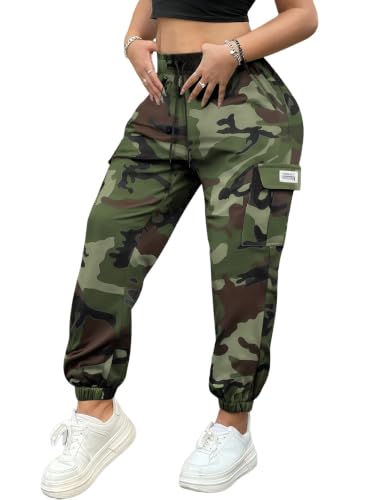
Camp Pants: The Complete Guide to Choosing Outdoor Trousers
Discover how to select the best camp pants for hiking, backpacking, and camping. Learn about fabrics, features, and the right fit for every adventure.
VIEW TOP PICKSChoosing the right camp pants is one of the most overlooked decisions in outdoor gear planning. While much attention goes to tents, sleeping bags, and stoves, your pants are the layer you wear constantly—hiking, sitting by the fire, kneeling to pitch a tent, and scrambling over rocks. The wrong pair can mean chafing, overheating, or freezing at the worst possible moment.
This guide walks you through everything you need to know about camping pants: the materials that work, the features that matter, and how to match a pair to your specific style of adventure. Whether you are a weekend car camper or a multi-day backpacker, you will finish this article ready to make a confident purchase.
Why Camp Pants Deserve Serious Attention
Camp pants are not just regular trousers you happen to wear outdoors. They are engineered for movement, moisture, and durability. A well-designed pair of hiking clothes will stretch when you step over a log, dry quickly after a stream crossing, and resist abrasion when you brush against granite or thorny brush.
The difference becomes obvious on the trail. Cotton jeans trap sweat, stay wet for hours, and restrict your stride. Purpose-built outdoor trousers, by contrast, use synthetic or blended fabrics that manage moisture and flex with your body. If you are building a complete backpacking gear kit, your pants deserve the same research you put into your shelter and sleep system.
Quick tip: Always test a new pair of camp pants on a short day hike before committing to a multi-day trip. Seams, waistbands, and knee articulation behave differently under a loaded pack.
Key Features to Look For in Camping Pants
Not every feature matters equally. The list below ranks the elements that consistently affect comfort and performance in the field.
Fabric and Moisture Management
Nylon and polyester dominate the market for good reason. They are lightweight, dry fast, and hold up to repeated washing. Many premium models blend in spandex or elastane for stretch. Look for a fabric that feels smooth against the skin and does not cling when damp. For cold-weather trips, consider softshell pants that pair with your layering clothing system.
Articulated Knees and Gusseted Crotch
These two construction details separate real outdoor pants from fashion imitations. Articulated knees add fabric where you bend, preventing the waistband from pulling down. A gusseted crotch removes the central seam that causes chafing during long hikes. If you only remember one piece of advice from this guide, make it this: never buy camp pants without a gusseted crotch.
Pockets, Zippers, and Security
You need enough pockets to carry a phone, a map, and a snack without digging through a pack. Zippered thigh pockets are ideal because they keep items secure when you sit or crouch. Avoid pants with only shallow slash pockets, which dump contents the moment you sit on a log.
Convertible vs. Fixed-Length Designs
Convertible pants—those with zip-off lower legs—turn into shorts in seconds. They are a favorite for variable weather and long thru-hikes. Fixed-length pants are lighter, less fussy, and have fewer failure points. Your choice depends on whether you value versatility or simplicity.
Weather Resistance
Some camp pants receive a durable water repellent (DWR) finish that sheds light rain and stains. For sustained wet weather, pair them with a rain shell rather than relying on the pants alone. If you camp in cold conditions, read our winter camping gear guide for layering strategies.
Types of Camp Pants by Activity
Different adventures demand different trousers. Use the table below to match a category to your plans.
| Activity | Recommended Style | Key Feature | Quality Tier |
|---|---|---|---|
| Car Camping & Basecamp | Relaxed-fit synthetic pants | Comfort and pockets | Entry-level |
| Day Hiking | Lightweight stretch trousers | Breathability and mobility | Mid-range |
| Backpacking & Thru-Hiking | Convertible zip-off pants | Low weight and versatility | Mid-range |
| Cold-Weather Camping | Softshell or insulated pants | Warmth and wind resistance | Premium |
| Wet & Humid Climates | Ultralight quick-dry pants | Fast drying and ventilation | Premium |
If you are new to the outdoors, start with a mid-range stretch trouser for day hikes and a relaxed synthetic pair for camp. As your ambitions grow toward backpacking for beginners, add a convertible option. Cold-weather specialists should invest in a premium softshell and review our winter camping safety guidance before heading out.
How to Get the Right Fit
Fit is personal, but a few rules apply to almost everyone. The waistband should sit comfortably without digging in when you bend forward. The inseam should clear the top of your boot without dragging on the ground. If you plan to wear a base layer underneath, size up slightly to avoid compression.
Pay attention to the rise. A higher rise prevents cold air and debris from entering when you crouch. For women, look for pants with a specifically designed waist and hip ratio rather than unisex cuts. For men, avoid excessively baggy legs that snag on brush.
Fit check: Squat, lunge, and step onto a low box while wearing the pants. If the waistband slides down or the fabric pulls tight across the knees, try another size or model.
Care and Maintenance for Longevity
Camp pants endure mud, sweat, and repeated washing. To keep them performing:
- Wash in cold water with a mild detergent and avoid fabric softener, which clogs DWR finishes.
- Air dry whenever possible; high heat can damage elastic fibers and seam tape.
- Reapply a DWR spray when water stops beading on the surface.
- Repair small tears promptly with a patch kit to prevent them from spreading.
- Store folded rather than hung to preserve the shape of articulated knees.
With reasonable care, a quality pair of camp pants will serve you for many seasons. That durability is one reason experienced campers treat trousers as a long-term investment rather than a disposable item. When you are ready to expand your wardrobe, explore our broader camping clothes resources.
Common Mistakes to Avoid
Even experienced campers make these errors:
- Wearing cotton. Cotton absorbs water and loses insulation when wet. Save it for the drive home.
- Ignoring the gusset. A missing crotch gusset guarantees chafing on long days.
- Buying too tight. Restrictive pants limit your stride and reduce circulation in cold weather.
- Overlooking pockets. Inadequate storage forces you to stop and remove your pack constantly.
- Skipping the test hike. Never debut new pants on a serious trip.
If you camp with a dog, remember that muddy paws and sharp claws will test your fabric choice—see our notes on camping with dogs for more tips. And if you are still deciding between a tent and a hammock for your shelter, our comparison of tent vs hammock may help you plan the rest of your setup.
Frequently Asked Questions About Camp Pants
For variable weather and long hikes, yes. Zip-off legs let you adapt to changing temperatures without carrying two garments. The trade-off is slightly more weight and additional zippers that can fail over time. For short trips in stable conditions, a fixed-length pant is simpler.
You can, but it is not recommended for active camping. Jeans are heavy, slow to dry, and restrict movement. They are acceptable for car camping where you rarely leave the site, but for any hiking or wet conditions, choose synthetic outdoor pants instead.
For a weekend trip, one pair worn and one spare is usually enough. For multi-day backpacking, many hikers carry a single pair and rely on quick-drying fabric. Cold-weather trips may justify an insulated pair in addition to a lighter shell.
Lightweight nylon or polyester with mechanical stretch and ventilation panels works best. Look for UPF protection if you will be exposed to intense sun. Avoid dark colors that absorb heat, and choose a loose fit to promote airflow.
Fully waterproof pants are useful in sustained rain but can feel clammy during activity. Most campers are better served by water-repellent (DWR) pants combined with a packable rain shell. Reserve fully waterproof trousers for wet, cold conditions where staying dry is critical.
Ready to Find Your Perfect Pair?
Browse our curated selection of recommended camp pants below. Each pick is chosen for durability, comfort, and real-world performance on the trail.