Camping Screen Tent with Rain Flaps: The Complete Guide
Escape the bugs without escaping the view. A screen tent with rain flaps gives you the best of both worlds — breathable mesh walls on clear days and full weather protection when the sky opens up. Here's everything you need to know before you buy.
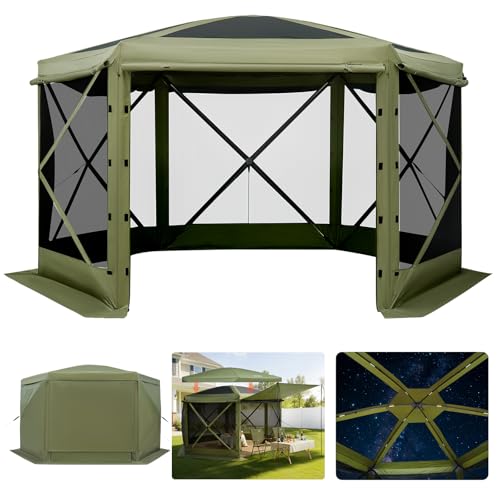
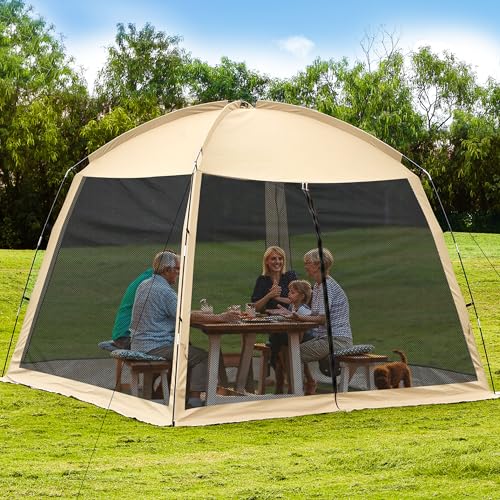
Few camping frustrations compare to being trapped inside a stuffy tent on a warm evening, listening to mosquitoes buzz against the mesh while you sweat. A camping screen tent with rain flaps solves that problem. It is a freestanding shelter built around large mesh panels that let air move freely while keeping insects out, and it includes solid fabric flaps that roll down and zip shut when rain, wind, or cold weather arrives.
For campers who spend most of their time outdoors rather than inside a sleeping tent, this hybrid design has become one of the most practical pieces of gear available. It works as a dining shelter, a bug-free lounge, a cooking area, or a safe play space for kids. If you want a shelter that adapts to changing conditions instead of forcing you to retreat, this is the category worth understanding.
If you are still comparing shelter styles, it helps to see how a screen tent fits alongside options like a pop-up screen tent or a traditional pop-up canopy tent. Each has strengths, and the right choice depends on how you camp.
Quick definition: A screen tent with rain flaps is a mesh-walled shelter with zip-on or roll-down fabric panels. The mesh handles ventilation and insect control; the flaps handle rain, wind, and privacy. Together they create a room you can use in almost any weather.
What Exactly Is a Screen Tent with Rain Flaps?
The name describes the two-part construction. The core structure is a frame — usually fiberglass, steel, or aluminum — covered by walls made of fine mesh. That mesh is the reason you can sit inside on a July evening without being eaten alive, and it is why air still moves through the shelter instead of turning it into a sauna.
The rain flaps are separate panels of coated polyester or nylon that attach over the mesh. On some models they zip on permanently and simply roll down when needed. On others they are fully removable. Either way, the flaps convert an open, airy screen room into a weather-resistant enclosure in a matter of seconds.
This dual nature is what separates a screen tent from a standard ground tent. A ground tent is designed primarily for sleeping and is closed almost all the time. A screen tent is designed for living — it stays open whenever the weather allows and closes only when protection is required.
The Three Core Components
- Frame: Determines stability and wind resistance. Look for a frame that is freestanding and uses shock-corded poles or a hub system for fast setup.
- Mesh walls: Measured in denier and sometimes in "no-see-um" ratings. Finer mesh blocks smaller insects but reduces airflow slightly.
- Rain flaps: The weatherproof layer. Quality depends on coating, seam sealing, and how completely the flaps overlap the mesh.
Why Campers Choose a Screen Tent with Rain Flaps
The appeal is straightforward: versatility. A single shelter replaces what would otherwise be two or three separate pieces of gear. You no longer need a separate bug shelter for clear days and a tarp or canopy for wet ones.
Comfort in Every Season
On hot, humid days the mesh panels create cross-ventilation that a closed tent cannot match. When evening temperatures drop or a storm rolls in, the flaps seal the shelter and hold warmth while blocking wind-driven rain. That adaptability matters most during shoulder seasons, when weather changes quickly.
Insect Protection Without Sacrificing the View
Fine mesh keeps mosquitoes, black flies, and no-see-ums outside while you watch the sunset from inside. This is especially valuable near lakes, rivers, and wetlands where insect pressure is highest.
A Dedicated Living Space
Many campers use a screen tent as a dining room, a card-game room, or a place to store gear away from dew and dirt. Because it is separate from the sleeping tent, the sleeping area stays cleaner and less cluttered. Families with young children often find this separation invaluable.
If you are building out a full camp setup, a screen tent pairs naturally with other comfort-focused gear. The most common companions are a set of folding camping chairs for seating and a camping cooler for keeping food and drinks cold through the trip.
Types of Screen Tents with Rain Flaps
Not every screen tent is built the same way. The category splits into a few distinct designs, and each one suits a different style of camping.
Pop-Up Screen Tents
These deploy in seconds with a pre-attached frame that folds into a carry bag. They are ideal for car campers and festival-goers who want fast setup and do not mind a bulkier packed size. If speed is your priority, an easy set up screen tent for camping is worth a close look. For a model that specifically combines mesh walls with weather panels, see this pop-up screen tent with rain flaps.
Cabin-Style Screen Tents
These have near-vertical walls and a flat or peaked roof, which maximizes usable floor space and headroom. They are the best choice if you plan to place a table and chairs inside. Cabin screen tents are heavier but far more livable for extended stays.
Screen Rooms with a Full Rainfly
Instead of individual flaps, these use a single rainfly that covers the entire shelter. This configuration offers the best rain protection and is common on premium models. Setup is slightly more involved because the fly must be pitched over the frame.
Convertible Screen Houses
Some models include removable privacy panels, dividers, or even a floor. These blur the line between a screen tent and a full cabin tent. They are the most flexible option but also the heaviest and most complex to pitch.
If you need a shelter that can serve double duty as a sleeping space, a model like the easy set up tent with screen room combines a sleeping area with an attached screen porch — a genuinely practical hybrid.
How to Choose the Right Screen Tent
This is where most buyers get stuck. The specifications look similar on paper, but small differences in materials and construction have a large effect on real-world performance. Work through the following factors in order.
1. Capacity and Floor Area
Manufacturer capacity ratings assume people sitting shoulder-to-shoulder with no gear. In practice, subtract one or two from the stated number. A "6-person" screen tent comfortably seats four adults with a small table. If you want room for a full dining setup, look at a 6 person tent you can stand up in or larger.
| Group Size | Recommended Capacity | Typical Use |
|---|---|---|
| 1–2 people | 4-person screen tent | Solo lounge, couple's dining shelter |
| 3–4 people | 6-person screen tent | Small family, table and chairs |
| 5–7 people | 8 to 10-person screen tent | Large family, group meals |
| 8+ people | 10-person or larger | Group camping, base camp kitchen |
Larger shelters often include room dividers and multiple doors, which can be useful for separating a cooking zone from a seating zone. Models such as a 10 person instant cabin tent with screen room illustrate how much flexibility a big footprint can provide.
2. Rain Flap Design and Coverage
This is the single most important feature for the topic at hand. Evaluate three things:
- Coverage: Do the flaps cover the entire wall, or only part of it? Partial flaps leave mesh exposed to wind-driven rain.
- Attachment: Zip-on flaps seal better than those held by hooks or Velcro. Look for flaps that overlap at the corners.
- Ventilation when closed: A fully sealed shelter with no vents will condense moisture inside. Better models include a small vent or a mesh strip that remains exposed.
3. Waterproofing and Seam Sealing
Look for a hydrostatic head rating on the rainfly or flap fabric. Higher ratings mean the fabric resists water penetration under greater pressure. Critically, check whether the seams are taped or sealed at the factory. Untaped seams are the most common source of leaks, even on otherwise well-made tents.
4. Frame Material and Wind Resistance
Steel frames are strong but heavy. Aluminum is lighter and resists corrosion. Fiberglass is the budget option and is adequate for mild conditions. If you camp in exposed areas, prioritize a frame with guy-out points and a low profile. A shelter with a high, flat roof catches wind like a sail.
5. Setup Complexity
Instant and pop-up designs are fastest. Traditional pole-and-sleeve designs take longer but often pack smaller and last longer. If you camp alone or arrive late in the day, setup speed matters more than you might expect. For a broader comparison of fast-pitching designs, browse the range of instant tents.
6. Portability and Packed Size
Screen tents are bulky. If cargo space is limited, compare packed dimensions against your vehicle. This is one reason some campers pair a large screen shelter for base camp with a compact pop-up privacy tent for shorter trips.
How to Set Up a Screen Tent with Rain Flaps
Setup follows a predictable sequence regardless of brand. Doing it in the right order prevents the most common mistakes.
- Choose a level site. Clear rocks, sticks, and pinecones. A screen tent has no floor, so the ground becomes your floor.
- Orient the shelter. Face the largest opening away from the prevailing wind. If rain is expected, position the flaps so they can be reached from inside.
- Assemble the frame. For pole-and-sleeve designs, feed poles through sleeves before raising the shelter. For hub designs, click poles into the hub and lift.
- Stake the corners. Always stake before lifting the frame fully. An unstaked screen tent becomes a kite in a gust.
- Attach the rain flaps. Zip or roll them into their stored position. Verify that the flaps are not twisted and that zippers run freely.
- Add guy lines. In any wind, run guy lines to the provided loops and stake them at a 45-degree angle.
If rain is already falling during setup, the process changes slightly. Read our guide to set up a tent in the rain for a step-by-step approach that keeps the interior dry.
Care and Maintenance
A screen tent with rain flaps will last many seasons if you treat the mesh and coatings with respect.
Cleaning
Never machine-wash a screen tent. Set it up, hose it down with plain water, and use a soft brush on stubborn spots. Mild soap is acceptable, but detergents and bleach degrade the waterproof coating and weaken mesh fibers.
Drying and Storage
This is the most important habit. Mesh and coated fabric must be completely dry before packing. Storing a damp screen tent invites mildew, which permanently stains fabric and weakens seams. Set the shelter up in a yard or garage after each trip and let it dry fully.
Re-Waterproofing
After several seasons, the factory coating on the rain flaps may wear thin. A spray-on or wash-in waterproofing treatment restores performance. Pay attention to the seams and to any areas that crease repeatedly during folding.
Zipper Care
Zippers are the most failure-prone part of any screen tent. Keep them clean, lubricate them occasionally with a silicone or wax-based product, and never force a zipper that binds. A stuck zipper pulled hard will tear the surrounding fabric.
Where a Screen Tent with Rain Flaps Excels
The design shines in specific situations more than others. Recognizing them helps you decide whether this is the right purchase.
Wet-Climate Camping
In regions where afternoon thunderstorms are routine, the ability to close the flaps without retreating to a sleeping tent keeps the trip enjoyable. Campers heading to damp destinations often pair this shelter with a comprehensive camping checklist to ensure nothing is forgotten.
Family Base Camp
Children need a contained, insect-free space. A screen tent gives them a place to play cards, eat, and wind down while adults cook or organize gear. Large families frequently choose a big family tent with rooms and living room configuration that includes a dedicated screen area.
Group and Event Camping
When several campsites share meals, a large screen tent becomes the communal hub. Groups attending music festival camping events rely on these shelters for shade, rain protection, and a place to gather between sets.
Long-Stay Camping
The longer you stay, the more a dedicated living space matters. Campers on extended trips often add a camping shower and other comfort items to round out a base camp that feels less like roughing it.
For those who prefer their comforts fully arranged, glamping tents luxury setups frequently incorporate screen rooms as part of a larger, more permanent structure.
Common Mistakes to Avoid
- Leaving rain flaps attached during transport. Folded zippers and damp fabric breed mildew. Remove or fully dry flaps before packing.
- Ignoring wind. A screen tent has a large surface area. Always stake and guy-out, even when the forecast is calm.
- Overloading the roof. Hanging heavy gear from frame loops can bend poles and tear attachment points.
- Using a screen tent as a sleeping tent in cold weather. Mesh walls lose heat rapidly even with flaps closed. For cold trips, choose a proper winter tent instead.
- Skipping the footprint. Even without a floor, a ground tarp under the shelter protects gear from mud and reduces condensation.
Screen Tent vs. Other Shelter Types
Understanding the trade-offs helps confirm whether this is the right purchase for your style of camping.
| Shelter Type | Best For | Trade-Off |
|---|---|---|
| Screen tent with rain flaps | Bug-free living space with weather protection | Bulky; not ideal for backpacking |
| Pop-up canopy | Shade and quick cover | No insect protection |
| Sleeping tent | Sleeping and privacy | Limited living space |
| Tarp shelter | Ultralight coverage | No mesh; exposure to insects |
Campers who want the flexibility of both a canopy and a bug shelter often find that a screen tent replaces both. Others prefer to keep them separate. If you lean toward simplicity, a pop-up canopy tent paired with a smaller pop-up screen tent covers similar ground with different setup dynamics.
Frequently Asked Questions
What is a camping screen tent with rain flaps?
It is a freestanding outdoor shelter with mesh walls for ventilation and insect protection, plus zip-on or roll-down fabric panels that seal the shelter against rain and wind. The mesh and flaps work together to make the tent usable in a wide range of conditions.
Can a screen tent with rain flaps handle heavy rain?
Mid-range and premium models with taped seams, fully covering flaps, and a sturdy frame handle moderate to heavy rain well. Entry-level models are better suited to light showers and should not be relied on in severe weather.
How do I choose the right size screen tent?
Match capacity to your group plus gear. A 6-person screen tent comfortably fits four adults with a table. A 10-person or larger model suits families or group camping. When in doubt, size up — screen tents fill faster than expected.
Are screen tents waterproof?
The rain flaps are waterproof, but the mesh walls are not. When the flaps are closed, the shelter is water-resistant. When flaps are open, rain will enter through the mesh. Always check seam sealing and hydrostatic head ratings before buying.
Can I use a screen tent for sleeping?
You can, and some campers do on warm, dry nights. However, a screen tent is not designed for cold weather or heavy rain sleeping. For those conditions, a dedicated sleeping tent such as a 4 season tent with stove jack for sale is a far better choice.
How long does a screen tent last?
With proper care — full drying before storage, gentle cleaning, and zipper maintenance — a quality screen tent lasts many seasons. The lifespan depends far more on how it is stored than on how often it is used.
Final Thoughts
A camping screen tent with rain flaps is one of the most useful pieces of shelter gear a camper can own. It solves two problems at once — insects and weather — and it creates a living space that makes long trips far more comfortable. The key is to buy for your actual conditions: match capacity to your group, prioritize taped seams and full flap coverage, and choose a frame that suits your wind exposure.
If you are ready to compare specific models, the recommended products below are a strong starting point. Each one represents a different balance of setup speed, interior space, and weather protection, so you can find the shelter that fits how you actually camp.