Camping Gear for Rent: Smart Outdoor Adventures
Why buy when you can rent? Explore how gear rental services make camping accessible, affordable, and hassle-free for every type of adventurer.
START READINGWhy Rent Camping Gear? For many outdoor enthusiasts, the barrier to camping isn't desire—it's equipment. A complete camping setup can cost as much as a vacation itself, and storing bulky gear in small apartments is impractical. Renting camping gear solves these problems by giving you access to quality equipment when you need it, without the long-term commitment. Whether you're a first-time camper testing the waters, a traveler flying to a remote destination, or an occasional adventurer who camps once or twice a year, rental services offer a practical alternative to ownership.
Key Benefits of Renting Camping Gear
Try Before You Buy
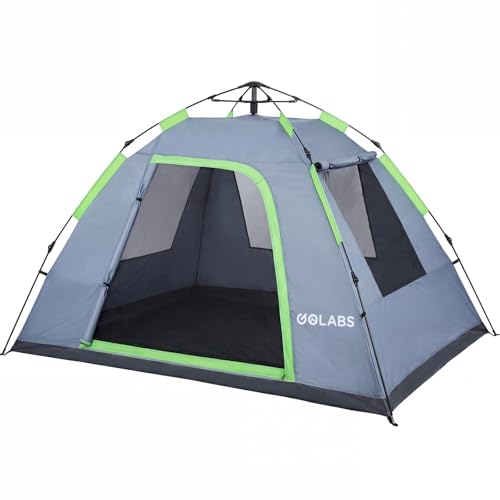
Renting lets you test different equipment styles and quality tiers before committing to a purchase. Discover whether a lightweight one-person backpacking tent suits your solo adventures or if a spacious 6-person instant tent better fits your family's needs. This hands-on experience ensures you invest wisely when you're ready to buy.
Zero Maintenance Hassle
Rental gear comes professionally cleaned, inspected, and maintained. You never worry about re-waterproofing a tent, replacing worn straps, or storing bulky equipment through off-seasons. Simply return the gear and walk away—no upkeep, no storage space consumed, and no long-term responsibility.
Perfect for Travelers
Flying to a camping destination? Shipping or checking gear is expensive and risky. Rental services at popular destinations like Yosemite or Colorado let you travel light and pick up quality equipment on arrival. This is especially valuable for international campers exploring top camping places without hauling gear across borders.
What Camping Gear Can You Rent?
Modern rental services offer comprehensive equipment for every camping style. From complete beginner packages to specialized backpacking setups, here's what's typically available:
Typical Rental Inventory
- Camping tents in various sizes (2-person to 12-person)
- Sleeping bags rated for different temperature ranges
- Sleeping pads and air mattresses
- Camp stoves and cooking systems
- Cookware sets and utensils
- Lanterns and lighting solutions
- Camp chairs and furniture
- Backpacks and hiking packs
- Coolers and food storage
- Power stations and solar chargers
- First aid kits and safety equipment
- Complete family camping packages
Understanding Rental Quality Tiers
Rental services typically categorize their inventory by quality tier, helping you match equipment to your needs and experience level. Here's how to understand these classifications:
Budget-Friendly Rentals
Perfect for beginners, occasional campers, and those testing the camping experience. These rentals feature functional equipment that covers essential needs without premium features. Ideal for car camping, family camping, or short weekend trips where basic comfort suffices.
Quality Mid-Tier Rentals
The sweet spot for most campers. Mid-range rentals offer lighter materials, better weather resistance, and improved comfort features compared to entry-level options. These work well for backpacking trips, multi-day adventures, and campers who want reliable performance without luxury pricing.
High-End Rental Gear
Top-tier rentals for serious adventurers and those prioritizing performance. Expect ultralight materials, four-season capabilities, and premium brands. These are ideal for winter camping, backcountry expeditions, and demanding conditions where equipment quality directly impacts safety and comfort.
How to Choose a Reputable Rental Service
Not all rental services are created equal. Before booking, evaluate potential providers using these criteria:
Rental Service Evaluation Checklist
- Clear inspection and sanitization protocols
- Transparent damage and liability policies
- Flexible rental durations (daily, weekly, monthly)
- Positive customer reviews and testimonials
- Insurance coverage for equipment failures
- Convenient pickup and return locations
- Responsive customer support
- Well-maintained, current inventory
- Clear instructions for equipment use
- Reasonable security deposit requirements
Who Benefits Most from Gear Rental?
Rental services serve diverse outdoor enthusiasts. Understanding whether you fit these profiles helps determine if renting makes sense for your situation:
First-Time Campers
If you're new to camping, renting eliminates the risk of investing in equipment you might not enjoy. Test the experience with quality gear, learn what features matter to you, and make informed purchasing decisions later. Start with our first-time camping tips to maximize your initial adventure.
Occasional Campers
Camp once or twice yearly? Renting is almost always more economical than buying and storing equipment. You get current-season gear without maintenance responsibilities, and you can upgrade to different equipment types as your needs change.
Traveling Adventurers
Flying to camp at popular destinations? Rental services near major camping areas let you travel light. No baggage fees, no shipping risks, and no lugging heavy gear through airports. Just arrive, pick up your equipment, and start exploring.
What to Verify Before Renting
Protect yourself by understanding these important details before committing to a rental agreement:
Pre-Rental Verification Points
- Equipment condition upon pickup (inspect thoroughly)
- Damage waiver options and costs
- What constitutes "normal wear" vs. damage
- Late return fees and grace periods
- Weather-related cancellation policies
- Setup and operation instructions included
- Emergency contact for equipment issues
- Cleaning expectations before return
Frequently Asked Questions About Gear Rental
Is renting camping gear really cheaper than buying?
For occasional campers, renting is typically more economical than purchasing. When you factor in the initial equipment cost, storage space, maintenance, and eventual replacement, ownership only makes financial sense for frequent campers. If you camp fewer than three or four times yearly, rental usually wins on total cost of ownership. However, if you camp regularly and have storage space, buying quality gear may offer better long-term value.
What happens if rental equipment gets damaged during my trip?
Policies vary by provider. Most rental services offer damage waivers that cover accidental damage for a small additional fee. Without a waiver, you're typically responsible for repair or replacement costs. Normal wear and tear is usually covered, but significant damage, tears, burns, or lost items are your responsibility. Always inspect equipment thoroughly before your trip and document any pre-existing damage with photos.
Can I rent camping gear for winter camping?
Yes, many rental services offer four-season and winter-specific equipment including winter sleeping bags, winter tents, and insulated sleeping pads. However, winter gear is less commonly available than three-season equipment, so book early. Verify that rented equipment is rated for your expected temperatures and conditions.
How far in advance should I reserve rental gear?
During peak camping seasons (late spring through early fall), reserve at least two to four weeks in advance, especially for popular items like family tents and backpacking gear. For holidays and peak weekends, book even earlier. Off-season rentals often have more availability and sometimes offer better rates. For optimal camping timing, plan your rental accordingly.
Do rental services deliver equipment to campsites?
Some premium rental services offer delivery to campsites, trailheads, or hotels near popular camping destinations. This is especially common in areas like Yosemite, Rocky Mountain National Park, and other major camping regions. Delivery typically adds a fee but eliminates pickup and return logistics. Check with specific providers about delivery options in your destination area.
Ready to Start Your Rental Adventure?
Explore our recommended camping gear below and discover equipment that rental services typically offer—perfect for testing before you commit to ownership.
Pro Tip: Before renting, check whether your credit card or travel insurance includes rental equipment coverage. Some cards provide protection against damage or theft for rental items, potentially saving you the cost of a damage waiver. Additionally, joining camping communities or forums can help you find trusted local rental services recommended by experienced campers.