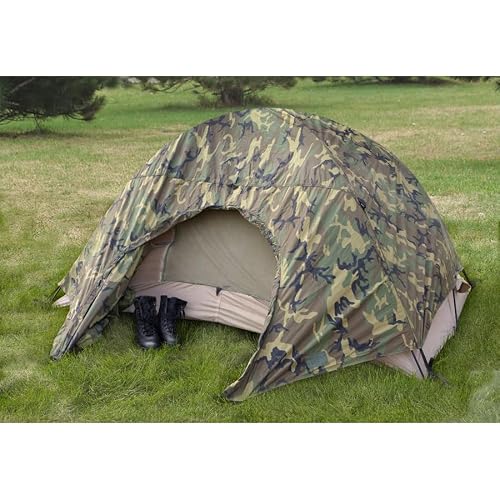
Army Navy Surplus Tents: A Complete Guide to Military-Grade Shelters
Discover the unmatched durability, weather resistance, and timeless design of military surplus tents. Learn how to choose the right surplus shelter for your outdoor adventures.
START EXPLORINGWhy Choose Army Navy Surplus Tents?
The Surplus Advantage: Army navy surplus tents offer a level of ruggedness and weather protection that few commercial camping tents can match. Originally designed for military use in the harshest conditions, these shelters are built to last.
When you buy an army navy surplus tent, you're investing in a piece of equipment that was engineered to protect soldiers in extreme environments. These tents feature heavy-duty canvas construction, reinforced stitching, and weather-resistant treatments that stand up to years of use. Unlike lightweight backpacking tents that prioritize portability over durability, military surplus tents prioritize resilience above all else.
The appeal of surplus tents extends beyond their toughness. Many campers appreciate the classic aesthetic, the spacious interiors, and the ability to use wood stoves for heating and cooking. Whether you're setting up a base camp, creating a permanent hunting shelter, or simply want a tent that will outlast you, army navy surplus tents deliver exceptional value.
Types of Army Navy Surplus Tents
Military surplus tents come in several distinct styles, each designed for specific purposes. Understanding these differences will help you choose the right shelter for your needs.
Canvas Wall Tents
The classic wall tent is perhaps the most recognizable military surplus shelter. Featuring vertical walls and a peaked roof, these tents offer excellent headroom and can accommodate wood stoves. The military version typically includes a stove jack and heavy canvas that breathes while repelling water. These are ideal for base camps and extended stays.
For those who prefer a more traditional shape, consider exploring teepee tents as an alternative canvas shelter option.
Military Pyramidal Tents
These distinctive tents feature a square base and a central pole that creates a pyramid shape. The design sheds snow and rain effectively while providing a simple, stable structure. Military pyramidal tents are relatively lightweight for their size and can be set up by a small team.
Arctic and Extreme Weather Tents
Designed for the most brutal conditions, these surplus tents feature insulated liners, reinforced frames, and exceptional wind resistance. They are heavier than standard models but provide unmatched protection in winter environments.
If you're planning cold-weather adventures, pair your surplus tent with proper sleeping bags for cold weather to stay warm throughout the night.
Shelter Systems and Modular Tents
Modern military shelter systems consist of modular components that can be combined to create larger structures. These tents often feature aluminum frames, interchangeable covers, and the ability to connect multiple units together for command centers or field hospitals.
Key Features to Look For
Not all army navy surplus tents are created equal. When shopping for surplus shelters, pay attention to these critical features that separate quality military tents from lesser options.
Canvas Material and Weight
Military tents typically use cotton canvas or a cotton-polyester blend. The canvas weight is measured in ounces per square yard. Heavier canvas (around 12-16 oz) offers greater durability and better insulation but weighs more. Lighter canvas (around 8-10 oz) is easier to transport but may not last as long. Entry-level surplus tents often use lighter canvas, while top-tier military shelters feature the heaviest, most durable materials.
Understanding material differences matters for long-term use. Just as you'd consider whether nylon or polyester is better for tents in commercial camping, surplus buyers should understand canvas grades before purchasing.
Water Resistance and Treatment
Original military tents were treated with various waterproofing compounds. Some vintage surplus tents may need re-treatment with canvas wax or water repellent. Modern surplus tents often feature factory-applied treatments that last for years. Look for tents that have been properly stored and maintained.
When camping in wet conditions, proper technique matters as much as equipment. Learn about camping in the rain to get the most from your surplus tent.
Frame and Pole Systems
Military tents use various frame systems, from simple center poles to complex aluminum frame assemblies. Some surplus tents include all necessary poles, while others require you to source or fabricate your own. Ensure the tent you choose comes with a complete frame or that replacement parts are available.
Stove Jacks and Ventilation
One of the greatest advantages of military surplus tents is the ability to use wood stoves inside. Look for tents with properly installed stove jacks and sufficient ventilation to prevent carbon monoxide buildup. This feature transforms a cold-weather shelter into a warm, comfortable base camp.
For winter camping, you may want to explore dedicated winter tents or pair your surplus shelter with a camping heater for tent use.
Surplus Tents vs. Modern Camping Tents
Understanding how army navy surplus tents compare to modern camping tents helps you make the right choice for your specific needs.
| Factor | Army Navy Surplus Tents | Modern Camping Tents |
|---|---|---|
| Durability | Exceptional - designed for combat conditions | Good to excellent - varies by tier |
| Weight | Heavy - best for car camping | Lightweight to moderate |
| Weather Resistance | Superior with proper maintenance | Excellent with modern materials |
| Stove Compatibility | Excellent - many include stove jacks | Limited - requires special models |
| Setup Complexity | Moderate to high | Low to moderate |
| Maintenance | High - requires regular care | Low - minimal maintenance |
| Aesthetic | Classic, rugged, nostalgic | Modern, varied designs |
For campers who prioritize durability and classic styling, surplus tents are unmatched. For those who value lightweight portability and easy setup, modern tents may be preferable. Many experienced campers own both types, using surplus tents for base camps and modern tents for backpacking adventures.
If you're interested in glamping-style setups, explore canvas tents for sale and glamping tents for sale for additional options.
Setting Up and Maintaining Surplus Tents
Proper setup and maintenance ensure your army navy surplus tent delivers years of reliable service.
Site Selection and Preparation
Choose a level, well-drained site for your surplus tent. Clear the area of rocks, branches, and debris that could damage the floor or cause discomfort. For large wall tents, consider orienting the tent to minimize wind exposure and maximize drainage.
If you're camping in challenging conditions, review techniques for setting up a tent in the rain and setting up a tent in the snow to protect your investment.
Assembly Tips
Military tents often require two or more people to set up safely. Lay out all components before beginning assembly. Install the frame or poles first, then drape the canvas over the structure. Secure all guy lines and stake points to ensure stability in wind.
For those new to tent camping, understanding the basics of camping in a tent in the rain applies to surplus shelters as well.
Cleaning and Storage
Always dry your canvas tent completely before storage. Mildew can permanently damage canvas and cause unpleasant odors. Clean with a soft brush and mild soap, avoiding harsh chemicals that can damage waterproofing. Store in a dry, ventilated space away from direct sunlight.
Repairs and Re-treatment
Small tears can be patched with canvas repair kits. Waterproofing can be restored with canvas wax or spray-on treatments. For major damage, consider professional repair services or learn to sew canvas yourself. A well-maintained surplus tent can last for generations.
Best Uses for Army Navy Surplus Tents
Surplus tents excel in specific camping scenarios where durability and space matter more than weight.
Base Camp Shelter
Large wall tents make excellent base camp shelters for hunting, fishing, and extended camping trips. The ability to use a wood stove provides warmth and cooking capability in remote locations. The spacious interior accommodates cots, gear, and multiple occupants comfortably.
Pair your base camp with a cot camping bed for comfortable sleeping off the ground.
Winter Camping
Military surplus tents are ideal for winter camping when paired with appropriate heating. The heavy canvas provides insulation, and stove jacks allow for safe indoor heating. For extreme conditions, consider dedicated winter camping strategies and winter camping gear.
Permanent or Semi-Permanent Shelters
For hunting camps, summer cabins, or emergency shelters, surplus tents offer a cost-effective alternative to permanent structures. With proper maintenance, they can remain set up for entire seasons.
Explore places to camp with cabins for alternatives if permanent shelter appeals to you.
Event and Festival Camping
The classic aesthetic of military tents makes them popular for themed events, festivals, and historical reenactments. Their durability handles crowds and extended use better than lightweight commercial tents.
Expert Tips for Surplus Tent Buyers
- Inspect Before You Buy: When possible, examine surplus tents in person before purchasing. Check for mildew, tears, missing components, and frame damage.
- Research Military Specifications: Understanding the military specification (MIL-SPEC) for the tent you're considering helps you evaluate quality and authenticity.
- Consider Replacement Parts: Military tents often use standardized components. Research whether poles, stakes, and repair materials are readily available.
- Start with Smaller Sizes: If you're new to surplus tents, begin with a smaller two or four-person model before investing in a large wall tent. This helps you learn setup and maintenance before committing to a larger shelter.
- Join Surplus Communities: Online forums and social media groups dedicated to military surplus gear provide valuable information, buying tips, and troubleshooting advice from experienced users.
- Plan for Proper Storage: Before purchasing, ensure you have adequate dry, ventilated storage space. Canvas tents require more storage space than synthetic alternatives.
Why Campers Trust Surplus Tents
Army navy surplus tents have earned a loyal following among outdoor enthusiasts for good reason. The combination of military-grade construction, timeless design, and exceptional value creates a compelling proposition for campers who prioritize durability.
Unlike modern tents that may last a few seasons before UV degradation and wear take their toll, surplus canvas tents can be maintained and repaired almost indefinitely. The skills you develop maintaining a surplus tent—waterproofing, patching, frame repair—transfer to other outdoor equipment and build self-reliance.
There's also something to be said for the aesthetic and historical connection. Camping in a military surplus tent connects you to generations of soldiers and explorers who relied on similar shelters in challenging conditions. For many campers, this connection enhances the outdoor experience.
If you're considering a surplus tent, also explore the broader category of top-rated camping gear to build a complete outdoor kit. And for those new to camping, first-time camping tips provide essential guidance.
Frequently Asked Questions
Are army navy surplus tents worth buying?
Yes, for the right use cases. Surplus tents offer exceptional durability and value for car camping, base camps, and winter camping. They are heavy and require maintenance, so they're not ideal for backpacking. If you prioritize longevity and classic styling over lightweight portability, surplus tents are excellent choices.
How long do military surplus tents last?
With proper care, a quality military surplus tent can last for decades. The heavy canvas and robust construction resist wear far better than lightweight commercial tents. Regular cleaning, waterproofing, and proper storage are essential for maximizing lifespan.
Can I use a wood stove in a surplus tent?
Many military surplus tents include stove jacks specifically designed for wood stove use. If your tent lacks a stove jack, professional installation is possible but should be done carefully to maintain fire safety. Always ensure proper ventilation when using any combustion heat source.
How do I waterproof a canvas surplus tent?
Canvas tents can be waterproofed using canvas wax, oil-based treatments, or spray-on water repellents. The method depends on the tent's original treatment and current condition. Always test on a small area first and follow product instructions carefully.
Where can I buy army navy surplus tents?
Military surplus tents are available from military surplus stores, online marketplaces, government auctions, and specialty retailers. Availability varies based on military procurement cycles. Popular sizes and styles may require patience to find.
What size surplus tent should I buy?
Military size ratings assume minimal gear storage. For comfortable camping with modern gear, cots, and stoves, consider sizing up. A tent rated for four soldiers may comfortably house two campers with gear. Visit a surplus store to see tents in person if possible.