Sleeping Bag for Cold Weather: Your Ultimate Guide to Warm Nights
Don't let the cold keep you indoors. Learn how to choose a sleeping bag that keeps you warm, comfortable, and safe on any winter adventure.
START YOUR RESEARCHCold Weather Rule #1: Your sleeping bag doesn't generate heat; it traps the heat your body produces. A bag's effectiveness depends on its insulation, fit, and your own preparation. This guide will walk you through every critical factor.
How to Choose a Sleeping Bag for Cold Weather
When the temperature drops, a standard summer sleeping bag quickly becomes a recipe for a miserable, sleepless night. A true cold-weather sleeping bag is a specialized piece of gear designed to trap your body heat and create a microclimate of warmth. Understanding the key specifications is the first step toward a restful night's sleep in the cold.
1. Understanding Temperature Ratings
The most critical specification is the temperature rating. However, these ratings can be misleading. The EN/ISO standard provides two key numbers: a "Comfort" rating (the temperature at which a standard woman can sleep comfortably) and a "Lower Limit" rating (the temperature at which a standard man can sleep for eight hours without waking). For cold weather, always look at the **Comfort rating** and choose a bag rated at least 10-15°F (5-8°C) below the lowest temperature you expect. This buffer accounts for variables like wind, humidity, and your personal metabolism. For a deeper dive, see our full Sleeping Bag Temperature Guide.
2. Down vs. Synthetic Insulation
This is the biggest decision you'll make. Each has distinct advantages in cold weather.
- Down Insulation: The gold standard for cold, dry conditions. It offers an unmatched warmth-to-weight ratio and compresses down to a fraction of its size, making it ideal for backpacking. Look for high fill power (e.g., 650, 800, or 900+). The higher the number, the more loft and warmth it provides per ounce. The main drawback is its poor performance when wet, as it loses all insulating ability. This is why many winter campers choose a Winter Sleeping Bag with a hydrophobic down treatment.
- Synthetic Insulation: Made from polyester fibers, synthetic bags are more affordable and, crucially, retain their insulating properties even when damp. This makes them a safer choice for wet, humid, or unpredictable climates. They are, however, heavier and bulkier than their down counterparts, which is a significant consideration for things to pack for backpacking.
3. Shape and Fit
To maximize thermal efficiency, a sleeping bag should fit your body closely without being restrictive. The shape is a primary factor:
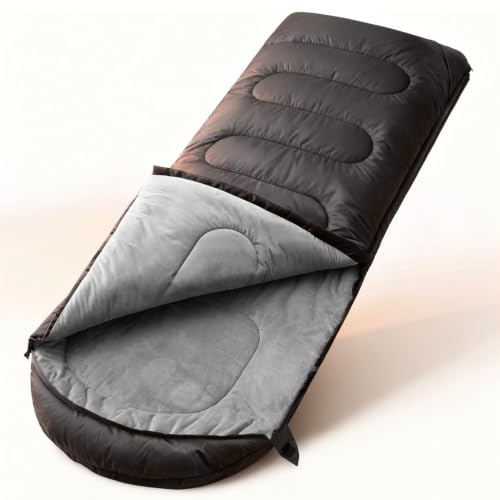
- Mummy Bags: The most efficient shape for cold weather. The tapered design and hood minimize the empty space your body has to heat, making them the warmest option for their weight.
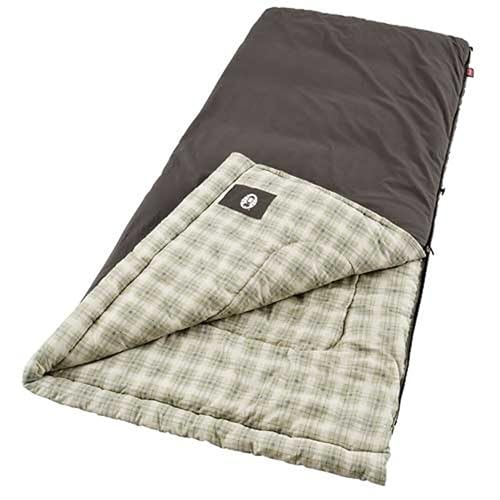
- Rectangular Bags: Offer the most room to move but are the least thermally efficient. They are best for car camping where weight and packed size are not a concern.
- Double Bags or Couples' Bags: These can be a great option for sharing warmth, but ensure they have separate hoods and draft collars to prevent cold spots. If you camp with a partner, a all-in-one sleeping bag and mattress system can be a convenient choice.
4. Key Features for Cold Weather
Beyond the basics, these features are non-negotiable for a serious cold-weather bag:
- Draft Collar: A thick, insulated tube that cinches around your neck to prevent warm air from escaping.
- Draft Tube: An insulated flap that runs along the zipper to block cold air from seeping through the teeth.
- Hood: A well-fitted, cinchable hood is essential. It traps heat around your head, which is a major source of heat loss. Look for a bag with a cold weather sleeping bag that has a hood that can be tightened to a small opening.
- Zipper Guards: A strip of fabric behind the zipper to prevent it from snagging and to add another layer of defense against drafts.
5. Your Sleep System and the Ground
Your sleeping bag is only one part of your sleep system. The cold ground will pull heat from your body faster than the air. A sleeping bag's insulation underneath you is compressed and nearly useless. You need a sleeping pad with a high R-Value (a measure of thermal resistance). For cold weather, look for an R-Value of 5 or higher. An air mattress with a built-in pump might be comfortable, but without proper insulation, it can become a cold, unforgiving slab. Consider a sleeping pad for the floor with a high R-value as your primary insulation from the ground.
6. Maintenance and Care
Proper care will extend the life and performance of your investment. Always store your sleeping bag uncompressed in a large mesh or cotton storage sack. Clean it according to the manufacturer's instructions, typically with a gentle, down-specific soap. Never dry clean a sleeping bag, as the chemicals can damage the insulation. For more tips on general winter camping, see our guide on how to stay warm in winter.