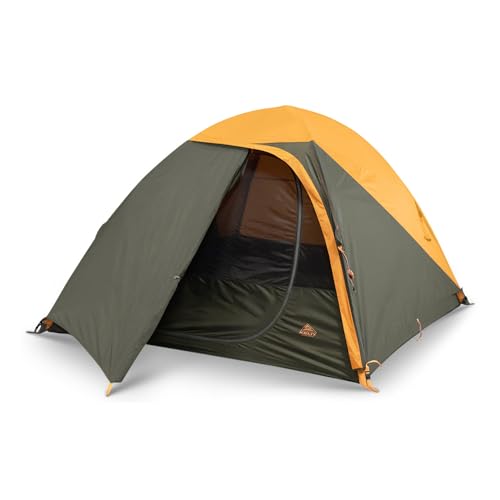
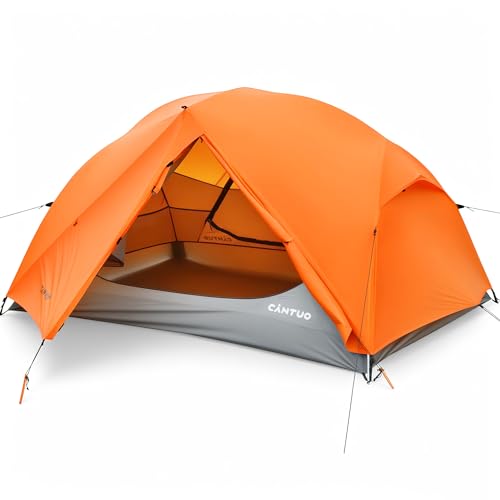
3 Person 4 Season Backpacking Tent: The Ultimate Expedition Shelter Guide
Everything you need to know before choosing a true four-season, three-person backpacking tent for winter camping, alpine climbing, and extreme-weather expeditions.
Why a 3 Person 4 Season Backpacking Tent? When three adventurers head into snow-covered backcountry, they need a shelter that can handle what nature throws at it — without weighing down the team. A true 4-season, 3-person backpacking tent delivers the perfect balance of capacity, strength, and packability.
What Makes a Tent "4 Season" and "3 Person"?
A 3 person 4 season backpacking tent is a specialized shelter built for the harshest conditions. Unlike casual camping tents, it is engineered to withstand snow loads, hurricane-force winds, and sub-zero temperatures while still being light enough to carry deep into the backcountry.
The "3 person" designation refers to sleeping capacity. In practice, a 3-person tent comfortably sleeps three adults on sleeping pads, or two adults with extra gear — a smart choice for small expedition teams who want to distribute weight. If you are still weighing capacity options, our guide on how to choose tent size breaks down the real-world space you get per person.
The "4 season" label is the critical differentiator. A genuine four-season tent features:
❄️ Snow-Load Rated Frame
Additional poles or a modified dome/exoskeleton geometry that prevents collapse under heavy snowfall. Pole sleeves and clips are reinforced at stress points.
🌬️ Minimal Mesh, Maximum Warmth
Solid fabric inner walls replace bug mesh to retain heat and block spindrift. Ventilation is controlled, not open.
🔒 Full-Coverage Rainfly
Extends to the ground with sealed seams, creating a protective shell that sheds snow and resists wind-driven rain.
💨 High Wind Resistance
Lower profile, aerodynamic shape, and multiple guy-out points keep the tent stable in exposed alpine terrain.
Who Should Buy a 4 Season 3 Person Backpacking Tent?
This category of tent is not for everyone. It shines in specific scenarios:
- Winter backpackers and snow campers who camp in sustained freezing temperatures and expect snowfall. Pair it with a sleeping bag for very cold weather to complete your sleep system.
- Alpine climbers and mountaineers who need a basecamp shelter that survives high-altitude wind and snow loading.
- Small expedition teams who split the weight of one shelter across three people — far more efficient than three solo tents.
- Year-round backcountry travelers in regions where shoulder-season storms can dump snow without warning.
If your trips are mostly summer weekends with mild weather, a 2 person 3 season backpacking tent or a 3 person 3 season backpacking tent will be lighter, more ventilated, and easier on your back. But if you camp in winter or above treeline, the four-season build is worth every gram.
Key Features to Evaluate Before You Buy
Not all 4-season tents are created equal. Here is what separates a true expedition shelter from a marketing label:
Pole Structure and Material
Look for DAC or aluminum alloy poles with a thick diameter. True 4-season tents often use a 4-pole or 5-pole design (vs. 2–3 poles on 3-season tents) to create a rigid, self-supporting dome that sheds snow. Some models use a tunnel design for superior wind resistance but require staking.
Fabric Denier and Coating
Higher denier (e.g., 40D–70D) fabrics resist abrasion and UV damage. Polyester and nylon with silicone or PU coatings are common. For context on fabric choices, see our comparison of nylon vs. polyester for tents. The rainfly should have a hydrostatic head rating suitable for sustained rain and snowmelt.
Ventilation and Condensation Control
This is the hardest balance in a 4-season tent. You need adjustable vents (often with snow-shedding covers) to manage internal condensation without letting in cold air or snow. Without proper venting, moisture from three sleepers will freeze inside the tent walls.
Doors and Vestibules
Two doors and two vestibules are ideal for a 3-person tent — each camper gets their own entry, and the vestibules provide critical gear storage outside the sleeping area. A large vestibule also gives you space to cook or change out of wet layers. If you camp in snow, a vestibule you can dig into makes a huge difference.
Weight and Packed Size
Four-season tents are inherently heavier than three-season models. When comparing, evaluate good weight for a backpacking tent relative to how you will split the load. A 3-person tent means each person carries roughly one-third of the shelter weight — a major advantage over solo shelters.
Comparing Tiers: Entry-Level to Luxury Expedition Tents
To help you understand the market without referencing specific prices, here is how 3 person 4 season backpacking tents typically differ across quality tiers. Use this as a framework when reading reviews or comparing specs.
| Feature | Entry-Level | Mid-Range | Premium | Luxury / Expedition |
|---|---|---|---|---|
| Pole System | Basic aluminum, 3–4 poles | DAC or equivalent, 4 poles | DAC Featherlite, 4–5 poles | Custom alloy, 5+ poles, exoskeleton |
| Fabric | Standard nylon/PU, 68D+ | Ripstop nylon, 40D–68D | Ripstop nylon, 30D–40D, silicone-coated | High-tenacity, 20D–30D, dual-coated |
| Wind Rating | Moderate | Good | Excellent | Extreme / expedition-grade |
| Snow Load | Light to moderate | Moderate | Heavy | Extreme, with reinforced stress points |
| Ventilation | Basic vents | Adjustable vents | Multi-point adjustable | Engineered airflow with snow-blocking |
| Weight (typical) | Heavier | Moderate | Lighter | Lightest for its strength class |
| Durability | Good for occasional use | Reliable for regular trips | Built for frequent expeditions | Professional / extreme environments |
| Best For | Budget-conscious winter campers | Serious weekend warriors | Dedicated winter backpackers | Alpine climbers, polar expeditions |
As a rule, mid-range models offer the best balance of durability and weight for most recreational winter campers. Premium and luxury tiers justify their cost through lighter materials, stronger poles, and refined details that matter in extreme conditions — but only if you actually camp in those conditions.
Advantages and Trade-Offs of a 3 Person 4 Season Tent
✅ Advantages
- Survives snow loads and high winds that flatten 3-season tents
- Warmer interior due to minimal mesh and solid inner walls
- Weight is split three ways — efficient for group expeditions
- Two doors and vestibules keep gear organized and dry
- Versatile for year-round use in cold climates
- Peace of mind in remote, exposed terrain
⚠️ Trade-Offs
- Heavier than 3-season equivalents
- Limited ventilation makes summer use uncomfortable
- Higher cost, especially premium and expedition tiers
- Bulkier packed size
- Overkill for mild-weather camping
- Condensation management requires attention
For many winter campers, the trade-offs are worth it. If you want to extend your camping season into snow and ice, a four-season shelter is not a luxury — it is safety equipment. Combine it with a proper winter camping gear setup and a 4 inch self-inflating sleeping pad for insulation from the frozen ground.
How to Choose the Right 3 Person 4 Season Backpacking Tent
Use this decision framework to narrow your options:
- Define your conditions. Are you camping in light winter snow or full alpine winter? Match the tent's wind and snow ratings to your environment.
- Decide your weight tolerance. If you are hiking long distances, prioritize lighter fabrics and pole systems. If you are snowshoeing short distances, durability can take priority.
- Check the packed size. A 3-person 4-season tent is bulky. Make sure it fits your backpack or can be split among the team.
- Evaluate ventilation. Look for multiple adjustable vents with snow-blocking covers. Condensation is the number-one complaint among winter campers.
- Consider setup difficulty. In cold, windy conditions, you want a tent that goes up fast. Look for color-coded poles, clips rather than sleeves, and a straightforward pitch. Our guide to the easiest backpacking tent to set up covers this in detail.
- Plan for stove use if needed. If you plan to cook inside the vestibule or use a heat source, look for a tent with a stove jack or a model that supports one, such as a 4 season tent with stove jack.
Before your first winter trip, practice setting up your tent on snow in your backyard. Familiarity with your shelter in good conditions makes all the difference when the weather turns.
Ready to Compare Real Products?
Browse our curated selection of 3 person 4 season backpacking tents below — featuring top-rated models for winter camping, alpine trekking, and extreme expeditions.
Caring for Your 4 Season Tent
A four-season tent is an investment. Proper care extends its life and ensures it performs when you need it most:
- Dry it completely before storage. Moisture left in the fabric promotes mildew and degrades coatings.
- Clean with mild soap and water. Avoid harsh detergents and never machine wash a technical tent.
- Re-waterproof periodically. Even the best coatings wear over time. Learn about waterproofing treatment principles that apply to technical fabrics as well.
- Store loosely. Do not keep your tent compressed in its stuff sack long-term. Hang it or store it in a large breathable bag.
- Inspect poles and seams. Check for bent poles, frayed guy lines, and seam tape peeling before each season.
If you camp in winter, also review winter camping safety and frostbite prevention to ensure your entire kit — not just your tent — is ready for the cold.
Frequently Asked Questions
Final Thoughts: Is a 3 Person 4 Season Backpacking Tent Right for You?
A 3 person 4 season backpacking tent is a serious piece of equipment for serious conditions. It is not the lightest or the most ventilated option, but when the snow piles up and the wind howls, nothing else compares. For three-person teams heading into winter backcountry, it offers the ideal combination of shared weight, robust protection, and reliable performance.
If your adventures take you into snow, ice, and exposed alpine terrain, invest in a quality four-season shelter. Pair it with the right sleep system, practice your setup, and camp with confidence. And if you are still exploring the broader world of camping shelters, browse our camping tent guides and winter tents section for more options.
For those who camp in milder conditions, a 1 person 4 season backpacking tent or 4 person 4 season backpacking tent may better suit your team size. Choose the shelter that matches your adventure — and always prioritize safety and preparation.