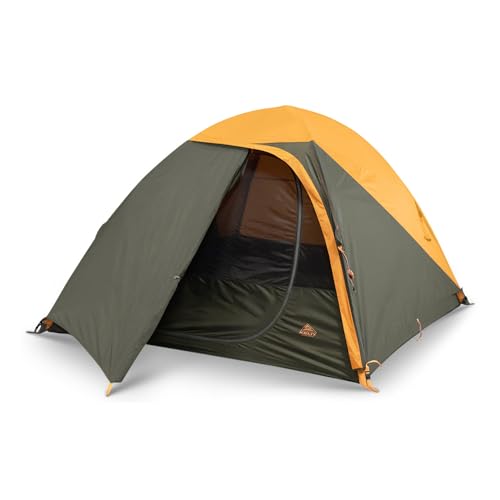
4 Person 4 Season Backpacking Tent: The Ultimate Expedition Shelter
When your adventures extend beyond the summer months and into the harsh realities of winter, a standard three-season tent simply won't cut it. A 4 person 4 season backpacking tent is a specialized piece of gear designed to withstand snow loads, high winds, and freezing temperatures while keeping your entire group safe and comfortable.
Why a 4-Season Tent is Essential for Serious Backpackers
Backpacking in winter or at high altitudes introduces challenges that go far beyond cold temperatures. You have to contend with heavy snow accumulation, powerful wind gusts, and the constant threat of hypothermia. A dedicated 4 season backpacking tent is engineered differently from its three-season counterparts. It typically features a sturdier pole structure, fewer mesh panels to retain heat, and a full-coverage rainfly that extends closer to the ground to block spindrift and wind.
For groups, moving up to a 4-person capacity introduces unique trade-offs. You gain significant living space and shared warmth, but you also carry more weight. This guide will walk you through everything you need to know about selecting, using, and maintaining a 4 person 4 season backpacking tent, ensuring you make a purchase that keeps you safe for years to come.
Key Features to Evaluate in a 4-Person 4-Season Tent
Not all four-season tents are created equal. When comparing models, focus on these critical components:
1. Pole Structure and Strength
Four-season tents rely on robust pole systems, often using four or more poles that cross at multiple points to create a self-supporting geodesic or semi-geodesic dome. This design sheds wind effectively and prevents the tent from collapsing under snow. Look for DAC Featherlite or similar high-quality aluminum poles, which offer an excellent strength-to-weight ratio. Avoid fiberglass poles for winter use, as they can become brittle in extreme cold.
2. Fabric and Weather Resistance
The tent body and rainfly should be made from durable ripstop nylon or polyester with a high hydrostatic head rating (typically 3000mm or more for the fly). The floor should be even more robust, often with a bathtub-style design that extends several inches up the sides to prevent water from seeping in. Fully taped seams are non-negotiable for a true four-season shelter.
3. Ventilation and Condensation Management
This is the trickiest balance to strike. A four-season tent needs to trap heat, but it also needs to allow moisture from your breath and body to escape. Otherwise, you'll wake up in a frozen, soggy environment. High-quality models include adjustable vents near the top of the tent and sometimes near the bottom. Some feature a "dual-wall" design, where the inner tent is mostly solid fabric, and the rainfly can be partially rolled back for ventilation on milder days.
4. Interior Space and Layout
A true 4-person tent should comfortably sleep four adults on sleeping pads, with room for some gear. However, be wary of "4-person" ratings that really mean "fits four people only if they are lying like sardines." Look for a floor area of at least 50-60 square feet. Vestibules are equally important. A large vestibule provides a protected space for boots, packs, and cooking, keeping the interior dry and clean. Some tents offer two vestibules, which is ideal for groups.
5. Weight and Packability
This is the primary drawback of a 4-person 4-season tent. They are heavy. A typical model can weigh anywhere from 10 to 15 pounds or more. For backpacking, you'll likely split the weight among the group members. Look for a tent that comes with a versatile stuff sack that allows you to divide the load (poles, fly, body) between two or three packs.
Comparing 4-Season Tent Tiers
Since we don't display prices, it's helpful to understand the market tiers. This table outlines what you can generally expect from entry-level, mid-range, and premium options.
| Feature | Entry-Level / Budget-Friendly | Mid-Range / Mid-Priced | Premium / High-End |
|---|---|---|---|
| Pole Material | Aluminum or fiberglass, fewer crossing points | Quality aluminum (e.g., DAC), geodesic design | High-end DAC or carbon fiber, complex geodesic structure |
| Fabric & Coating | Standard ripstop, adequate waterproofing | High-tenacity ripstop, superior waterproof coatings | Ultralight silnylon or silpoly, exceptional hydrostatic head |
| Ventilation | Basic vents, may struggle with condensation | Multiple adjustable vents, good airflow | Sophisticated venting systems, often with dual-wall options |
| Interior Space | Tight for four, minimal vestibule | Comfortable for four, one or two decent vestibules | Spacious, large vestibules, sometimes multiple doors |
| Weight | Heavier, bulkier | Moderate weight for the capacity | Optimized for weight without sacrificing strength |
| Best For | Occasional winter campers, car camping | Regular backpackers, serious winter trips | Expeditions, extreme conditions, weight-conscious users |
How to Choose the Right 4-Person 4-Season Tent for Your Needs
Your decision should be guided by the type of trips you plan to take. Are you a group of four backpackers heading into the mountains for a week-long winter expedition? Or are you a family of four looking for a sturdy tent for car camping in cold weather? The answer will determine which features are most important.
For true backpacking, weight is a primary concern. You might consider a 2 person 4 season backpacking tent paired with another, or a 3 person 4 season backpacking tent if your group is smaller. However, a single 4-person tent is often more efficient in terms of total weight per person. If you are mostly car camping or doing short hikes, you can prioritize interior space and durability over pack weight.
Consider the climate you'll be camping in. If you expect heavy snowfall, a tent with a steep roof angle and a sturdy geodesic pole structure is essential. If high winds are your main concern, look for a low-profile design with strong guy-out points. For general winter use, a versatile three-to-four-season crossover tent might suffice, but for true four-season reliability, a dedicated model is best.
Don't forget about the footprint. A footprint protects your tent floor from abrasion and adds an extra layer of waterproofing. Many manufacturers sell custom footprints, but you can also use a piece of Tyvek or a generic tarp cut to size. This is a small investment that can significantly extend the life of your tent.
Maintenance and Care for Longevity
A 4-season tent is a significant investment. Proper care will ensure it lasts for many seasons.
- Always dry your tent thoroughly before storing it. Even a small amount of moisture can lead to mildew and fabric degradation.
- Clean your tent gently. Use a mild soap and water solution, and avoid harsh detergents or washing machines.
- Re-waterproof as needed. Over time, the DWR (Durable Water Repellent) coating on the rainfly will wear off. You can restore it with a spray-on or wash-in product designed for outdoor gear. For more details, see our guide on canvas tent waterproofing treatment (though the principles apply to synthetic fabrics as well).
- Store loosely. Don't keep your tent compressed in its stuff sack for long periods. Store it in a large, breathable cotton sack to prevent creases and damage to the waterproof coating.
- Check and repair seams. Periodically inspect the seams and apply seam sealer if you notice any peeling or leaking.
Frequently Asked Questions
Can I use a 4-season tent in the summer?
Yes, but it's not ideal. Four-season tents have less mesh, which means they can become very hot and stuffy in warm weather. If you plan to camp in both summer and winter, a versatile 3-season tent with a solid inner tent and a large mesh area might be a better compromise, or you can look for a 4-season tent with removable panels or excellent ventilation options.
What is the difference between a 3-season and a 4-season tent?
The main differences are the pole structure (4-season tents are stronger and more aerodynamic), the amount of mesh (4-season tents have much less to retain heat and block wind), and the rainfly coverage (4-season flys extend closer to the ground). 4-season tents are also generally heavier and more expensive.
How many people can comfortably fit in a 4-person tent?
For maximum comfort, a 4-person tent is best for 3 adults plus gear, or 4 adults who are very friendly and don't mind close quarters. If you want more space, consider sizing up to a 5 or 6-person tent, but be aware that this will add significant weight for backpacking. You can learn more in our guide on how to choose tent size.
Do I need a footprint for my 4-season tent?
Highly recommended. A footprint protects the tent floor from rocks, roots, and abrasion, and adds an extra layer of waterproofing. It's much cheaper to replace a footprint than a whole tent. Many manufacturers offer custom footprints, but a generic tarp cut to size works well too.
How do I prevent condensation in my 4-season tent?
Ventilation is key. Open all available vents, even in cold weather. Try to avoid cooking inside the tent, as this releases a lot of moisture. If possible, leave a small gap between the rainfly and the tent body. Using a sleeping bag liner can also help manage moisture from your body.
Final Thoughts: Investing in a Reliable Shelter
A 4 person 4 season backpacking tent is a specialized tool for serious adventurers. It provides the security and comfort needed to enjoy the outdoors when conditions are at their most challenging. By understanding the key features, evaluating your specific needs, and choosing a tent from a reputable brand, you can make a purchase that will serve you well for many years of winter exploration.
Remember to always practice Leave No Trace principles, check local regulations before you head out, and most importantly, stay safe. With the right gear and knowledge, your winter backpacking trips can be some of the most rewarding experiences of your life.
For more information on preparing for cold-weather adventures, explore our winter camping section and our detailed guide on winter camping gear.