1 Person 4 Season Backpacking Tent: Your Ultimate Solo Shelter Guide
Discover how to choose a solo expedition tent built to withstand snow, wind, and freezing temperatures. Research smarter, camp safer, and gear up with confidence.
EXPLORE SOLO TENTSWhy a 4-Season Solo Tent Matters: A dedicated 1 person 4 season backpacking tent is a specialized piece of gear. Unlike three-season models, it is engineered to handle snow loads, high winds, and sub-zero conditions. This guide will help you understand the key features, trade-offs, and what to look for so you can make an informed purchase for your next winter or high-altitude adventure.
What Exactly Is a 1 Person 4 Season Backpacking Tent?
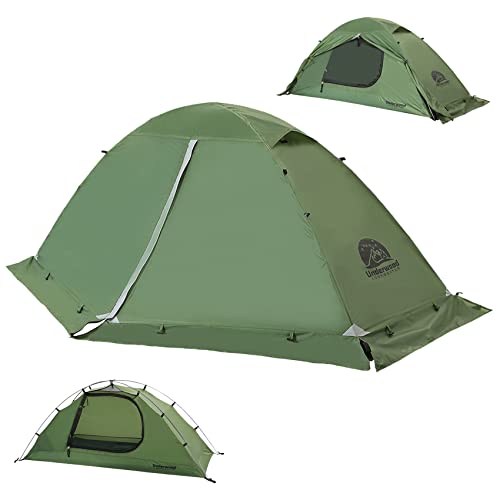
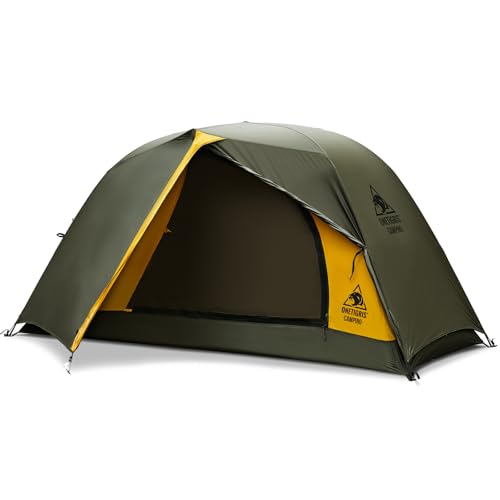
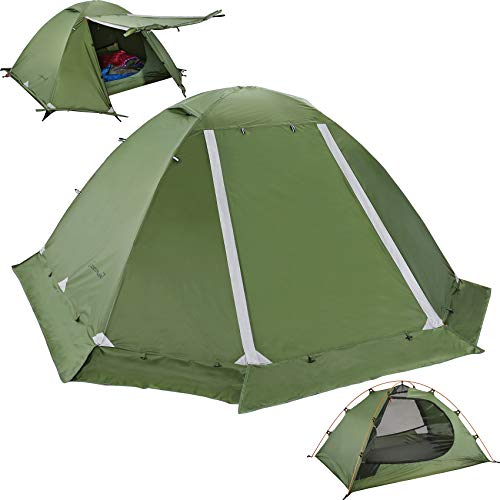
A 1 person 4 season backpacking tent is a shelter designed for extreme weather. It prioritizes strength, warmth, and durability over ventilation and low weight. While a 2 person 4 season backpacking tent is great for shared loads, a solo version is for the alpinist or winter camper who needs a personal fortress. These tents typically feature a sturdy geodesic or semi-geodesic pole structure, a full-coverage rainfly that extends nearly to the ground, and often a solid inner tent to block spindrift and retain heat. If you are new to cold-weather camping, it helps to first understand winter camping basics. This is not a casual summer shelter; it is a life-support system for the mountains.
Weight and packed size are critical for solo backpackers. A dedicated solo expedition tent might weigh between a few pounds and several pounds, depending on materials and features. Ultra-light models use premium fabrics and carbon poles, while more affordable options use heavier but still robust materials. The key is finding the right balance for your expected conditions. For those who camp in less severe conditions but still want four-season capability, a backpacking tent 2 person 3 season might be a more versatile choice, but it will not handle heavy snow or extreme wind as well.
Key Features to Evaluate in a Solo 4-Season Tent
When researching a 1 person 4 season backpacking tent, focus on these critical components. They determine whether your tent will keep you safe and comfortable when the weather turns nasty.
Pole Structure & Strength
Look for geodesic or semi-geodesic designs with 3 or more pole crossings. This creates a self-supporting structure that can shed wind and snow. Aluminum poles are standard; premium models may use DAC or carbon fiber for weight savings.
Fly & Fabric
A full-coverage fly that reaches close to the ground is essential. Look for high-denier ripstop nylon or polyester with a durable water repellent (DWR) finish and fully taped seams. A canvas tent waterproofing treatment is not typically needed for these synthetic fabrics, but it shows the importance of weatherproofing.
Ventilation vs. Warmth
Four-season tents often have limited mesh to retain heat. Adjustable vents and a two-door design (or one door with a large vestibule) help manage condensation. This is a delicate balance—too much mesh and you lose warmth; too little and you get frost inside.
Vestibule & Storage
A large vestibule is crucial for storing snowy gear, cooking (with extreme caution), and keeping the inner tent clean. Some solo tents have a single door with a large vestibule; others have two smaller ones. Consider your gear volume.
Another critical factor is the tent's ability to handle snow loading. A steep roof angle and strong pole structure prevent snow from accumulating and collapsing the tent. This is why many winter campers also look into winter tents specifically designed for snow. For solo use, you might also consider a 1 person tent that is easy to set up, which is a huge advantage when your fingers are numb. And if you are transitioning from a three-season tent, you might want to review the differences between a 1 person 4 season backpacking tent and a 2 person 3 season backpacking tent to fully appreciate the specialization.
Comparing Entry-Level, Mid-Range, and Premium Solo 4-Season Tents
To help you decide, here is a breakdown of what you can expect at different quality tiers. Remember, these are relative market positions, not specific prices. The best choice depends on your budget, expected conditions, and how much weight you are willing to carry.
| Feature / Aspect | Entry-Level | Mid-Range | Premium / Expedition |
|---|---|---|---|
| Pole Material | Standard aluminum alloy | Higher-grade aluminum (e.g., DAC) | DAC Featherlite or carbon fiber |
| Fabric Denier | Lower denier (e.g., 20D–30D) | Mid denier (e.g., 30D–40D) | High denier (e.g., 40D+), ripstop |
| Pole Structure | Simple 2-pole or 3-pole design | Geodesic or semi-geodesic, 3+ crossings | Complex geodesic, 4+ crossings, reinforced |
| Vestibule Size | Small to moderate | Generous, often dual vestibules | Large, expedition-ready, sometimes 2 doors |
| Ventilation | Basic vents, limited adjustability | Adjustable vents, good airflow management | Sophisticated venting, often with high/low options |
| Weight | Heavier (not ultralight) | Moderate, good balance | Lightest possible for the strength |
| Durability | Good for occasional use | Very good for regular use | Excellent for heavy, long-term use |
Choosing between these tiers is about matching the tent to your ambition. An entry-level solo 4-season tent might be perfect for a casual winter camper who does a few trips per year. A mid-range model is the sweet spot for most serious backpackers. A premium expedition tent is for professionals and those pushing into extreme environments where failure is not an option. For those who want the absolute lightest setup, a ultralight bikepacking sleeping bag and a minimalist tent are the goals. But remember, the tent is just one part of your sleep system; a sleeping bag for very cold weather is equally important.
How to Choose the Perfect Solo 4-Season Tent for Your Needs
Your decision should be guided by where and when you camp. A tent for a windy coastal range is different from one for a sheltered forest. Start by assessing your typical conditions:
- Snow Loading: If you expect heavy snowfall, prioritize a steep roof and a strong geodesic pole structure.
- Wind Exposure: Above treeline? You need a low-profile, aerodynamic tent with a robust frame and guy-out points.
- Condensation: In cold, humid environments, ventilation is key. Look for adjustable vents and a design that minimizes internal frost.
- Weight vs. Durability: Are you hiking miles to base camp, or setting up a basecamp near your car? If you are hiking far, weight matters more. If you are basecamping, you can prioritize durability and livability.
- Setup in Harsh Conditions: Can you pitch it quickly with gloves on? Look for color-coded poles and simple clip or sleeve systems.
Don't forget the importance of a good night's sleep. A comfortable camping pad for under sleeping bag with a high R-value is non-negotiable for winter. Also, consider a sleeping bag for adults for winter that is rated for the temperatures you expect. Your tent, pad, and bag work together as a system. If you are new to winter camping, reviewing winter camping gear essentials is a smart move before you commit to a specific tent.
Final Verdict: A 1 person 4 season backpacking tent is a specialized investment for the serious adventurer. It prioritizes safety and durability over all else. By understanding the trade-offs between weight, strength, and features, you can select a tent that will serve you reliably for years. Whether you choose an entry-level model for occasional winter trips or a premium expedition shelter for extreme conditions, the key is to match the tent to your environment and skill level. Remember to practice pitching your new tent at home before your trip, and always check the weather forecast. For more on staying safe, see our guide on winter camping safety.
Frequently Asked Questions
Can I use a 4-season tent in summer?
Yes, but it is not ideal. Four-season tents are heavier and have limited ventilation, which can make them hot and stuffy in warm weather. For summer camping, a three-season tent is a much better choice. You can learn more about the differences in our camping FAQ.
How much does a 1 person 4 season tent weigh?
Weight varies significantly by tier. Entry-level models can weigh several pounds, while premium expedition tents can be surprisingly light. The trade-off is always between weight, durability, and price. For a better understanding of weight considerations, see our article on good weight for a backpacking tent.
What is the best pole material for a winter tent?
Aluminum alloys like DAC are the industry standard for their strength-to-weight ratio. Carbon fiber is lighter but more expensive and can fail catastrophically. For most users, high-quality aluminum poles are the best choice. If you are comparing materials, you might also be interested in is nylon or polyester better for tents.
Do I need a footprint for a 4-season tent?
A footprint is highly recommended. It protects the tent floor from abrasion, punctures, and moisture. It also adds a layer of insulation. Many manufacturers sell custom footprints, but you can also use a piece of Tyvek or a generic groundsheet. For more on protecting your gear, see how long do tents last.