
Good Weight for a Backpacking Tent: The Ultimate Balance Guide
Discover how to find the perfect weight for your backpacking tent. Learn the trade-offs between comfort, durability, and packability to make an informed decision for your next adventure.
START EXPLORINGCampLifeEssentials Philosophy: The "best" weight is the one that matches your specific needs, not the absolute lightest option. This guide helps you find that balance.
Why Tent Weight Matters
When you're miles into a trail, every ounce in your pack is felt. The weight of your backpacking tent is one of the most significant factors in your overall pack weight. A lighter tent can mean the difference between an enjoyable trek and a grueling slog. However, going ultralight often means sacrificing space, durability, or weather protection. Understanding the trade-offs is key to selecting the right shelter for your adventure.
For those just starting, a good rule of thumb is to aim for a tent that is light enough to carry comfortably but robust enough to handle the conditions you expect to encounter. If you are new to backpacking, you might find our guide on the list of things to take backpacking helpful for planning your full kit.
Understanding Tent Weight Categories
The backpacking industry generally classifies tents into three weight tiers. These are not rigid definitions but rather guidelines to help you understand what to expect at different points on the scale.
1. Ultralight (The Minimalist Choice)
Ultralight tents are designed for gram-counters and thru-hikers who prioritize every ounce. These tents often use advanced materials like Dyneema Composite Fabrics (DCF) or high-tenacity silnylon. They typically feature single-wall designs, trekking pole supports, and minimal features. While they are the lightest option, they often come with a higher price tag and may require more careful handling.
For a dedicated ultralight experience, consider a backpacking tent 2 person 3 season which offers a great balance of weight and livability for most conditions.
2. Lightweight (The Balanced Choice)
This is the sweet spot for most backpackers. Lightweight tents offer a significant weight savings over traditional models while still providing good durability and features. You'll typically find double-wall designs, aluminum poles, and enough interior space for a comfortable night's sleep. These tents are versatile enough for weekend trips and extended journeys alike.
If you need a shelter for colder conditions, a backpacking tent 2 person 4 season in this category can provide the extra protection you need without adding excessive weight.
3. Traditional (The Comfort-Focused Choice)
Traditional backpacking tents prioritize durability, space, and features over weight. They often use heavier fabrics, fiberglass or thicker aluminum poles, and may include multiple doors, vestibules, and gear lofts. While heavier, they are often more affordable and can be more comfortable for car camping or short trips where weight is less of a concern.
For those who prioritize easy setup and space, an easiest backpacking tent to set up might be a better fit, even if it weighs a bit more.
So, What is a "Good" Weight?
There is no single "good" weight. The ideal weight depends entirely on your priorities, the length of your trip, and the conditions you'll face. However, here are some general benchmarks to consider:
- For Solo Backpackers: A good target for a solo tent is often in the range of 2 to 4 pounds (approximately 1 to 1.8 kg). Ultralight models can be under 2 pounds, while more spacious or robust options may be slightly heavier.
- For Two-Person Backpacking: A good target for a two-person tent is typically between 3 and 6 pounds (approximately 1.4 to 2.7 kg). This allows for a comfortable amount of space and features without being excessively heavy when split between two people.
- For Families or Groups: When splitting the weight among multiple people, you can afford a heavier, more spacious tent. A lightweight 2 person 3 season tent can be a great option for a pair, while larger groups might look at a 3 person 3 season backpacking tent.
Key Factors That Influence Tent Weight
Materials
The fabric and pole materials are the biggest contributors to a tent's weight. Ultralight tents use specialized fabrics like DCF or silnylon, while traditional tents use heavier polyester or nylon. Aluminum poles are lighter than fiberglass. You can learn more about material choices in our article on whether nylon or polyester is better for tents.
Design and Structure
Single-wall tents are generally lighter than double-wall tents because they eliminate the need for a separate rainfly and inner tent. However, they can be more prone to condensation. The number of poles, doors, and vestibules also adds weight. A simple 1 person 4 season backpacking tent will be lighter than a complex multi-room family tent.
Capacity and Season Rating
A larger tent naturally requires more material and will be heavier. Similarly, a 4-season tent built to withstand snow and high winds will be heavier than a 3-season tent due to stronger poles and fabrics. A 4 person 4 season backpacking tent is a substantial piece of gear, best suited for basecamps or car-supported trips.
How to Choose the Right Weight for You
To make the best decision, consider the following questions:
- How far will you be carrying it? For short overnight trips, a few extra pounds are manageable. For multi-day or thru-hikes, every ounce counts.
- What conditions will you face? If you expect high winds, heavy rain, or snow, you'll need a sturdier (and likely heavier) tent. A 3 person 4 season backpacking tent offers robust protection for challenging environments.
- How much space do you need? If you're tall or like to keep your gear inside, a slightly heavier tent with more interior space may be worth the weight. For solo campers who want more room, a 2 person tent you can stand up in can be a game-changer.
- What is your budget? Generally, lighter tents use more expensive materials and cost more. Decide where you want to invest. If you're looking for value, a cheapest place to buy camping gear might offer a heavier but more affordable option.
For those who prefer the simplicity of a hammock, a 2 person hammock with mosquito net can be a lightweight alternative to a traditional tent, though it requires trees for setup.
Frequently Asked Questions
Is a lighter tent always better?
No. While lighter is generally more comfortable to carry, it often comes at the cost of durability, space, and weather resistance. A slightly heavier tent might be a better choice for rugged conditions or for campers who prioritize comfort.
How much should my total pack weight be?
Your total pack weight depends on many factors, including your body weight and the trip length. A common guideline for a comfortable backpacking load is no more than 20-25% of your body weight. Your tent is just one component. For a full breakdown, see our backpacking checklist.
Can I make my tent lighter?
Yes, you can often lighten your tent by replacing the included stakes with lighter ones, leaving the stuff sack at home, or using trekking poles instead of dedicated tent poles (if your tent supports it).
What is the lightest type of backpacking tent?
Ultralight single-wall tents made from Dyneema Composite Fabrics (DCF) are typically the lightest. They often use trekking poles for support and are favored by thru-hikers.
Final Thoughts
Finding the "good weight" for a backpacking tent is a personal journey. It's about finding the perfect intersection of your comfort needs, your budget, and the demands of your adventure. Don't get caught up in chasing the absolute lowest number on the scale. Instead, focus on a tent that you can carry comfortably and that will keep you safe and happy in the outdoors. Whether you choose an ultralight model or a more robust traditional tent, the best one is the one that gets you out there.
Recommended Backpacking Tents for Weight & Performance
⚠️ AFFILIATE DISCLOSURE: This website contains affiliate links. As an Amazon Associate, we earn from qualifying purchases. If you make a purchase through these links, we may receive a small commission at no additional cost to you. Read our full affiliate policy.

US Weight 40 Pound Canopy Weight Set of 4 and Carry Strap with No-Pinch Design - Easy Installation and Removal to Secure Tents, Canopies, and Umbrellas at Outdoor Events

Aimosen 4 Packs Sandbags Weight Bags for Light Stand Photography Video Equipment, Heavy Duty Saddlebag for Backdrop Stand, Photo Tripod, Canopy, Pop up Tent, Umbrella Base, Fishing Chair, Picnic Table

120 LBS Sand Bags for Canopy Legs Weights for Pop up Tent (Without Sand) | 900D Oxford Cloth 4 Pack,Holds 30 LBS Each Weights Sand Bags for Canopy Outdoor with Hook and Loop Straps
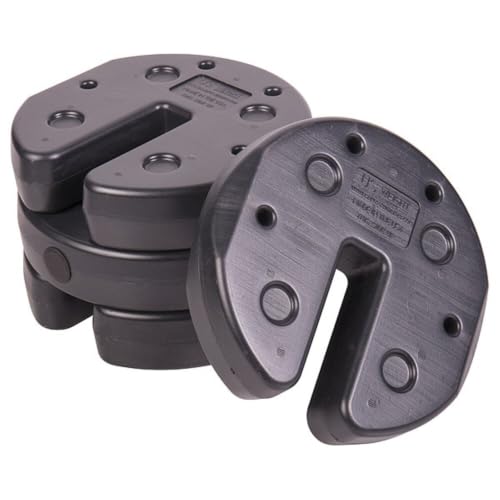
US Weight 30lb Canopy Weight Set (4) to Secure Tent, Canopies - Made in USA
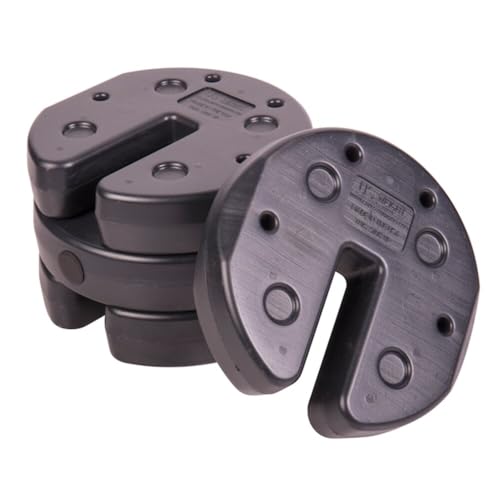
US Weight 20lb Canopy Weight Set (4) to Secure Tent, Canopies - Made in USA

Night Cat Backpacking Tent for One 1 to 2 Persons Lightweight Waterproof Camping Hiking Tent for Adults Kids Scouts Easy Setup Single Layer 2.2x1.2m

Inntop Canopy Weight Bags 240 lbs, Heavy Duty 1680D Tent Weights Sand Bags for Canopy Legs, Outdoor Sandbag Weights for Sun Shelter, Patio Umbrella, Gazebo (Sand Not Included)
