20 Person Tent: The Ultimate Guide to Giant Family Camping Tents
Everything you need to know about choosing, setting up, and enjoying a massive 20-person tent for your next group adventure.
START EXPLORINGCampLifeEssentials Philosophy: A 20 person tent isn't just a shelter—it's a mobile basecamp for your entire group. Whether you're planning a family reunion, a scout trip, or a festival getaway, the right giant tent transforms your outdoor experience from cramped to comfortable.
Why a 20 Person Tent Changes Everything
When you're camping with a large group, the tent you choose can make or break the trip. A 20 person tent offers an entirely different level of comfort compared to standard family tents. Instead of squeezing multiple small tents onto a single campsite, you get one massive, well-organized shelter that keeps everyone together while still providing privacy and personal space.
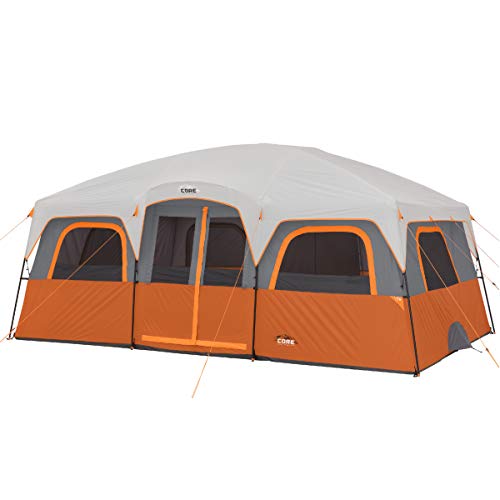
These giant tents are popular for extended family camping trips, scout groups, church retreats, and even commercial glamping operations. They typically feature multiple rooms, sometimes three or four separate sleeping compartments, plus a central living area. Some models even include a front porch or screen room, effectively giving you an outdoor living room. If you're upgrading from a smaller setup, it's worth understanding how to choose tent size to make sure you get the right fit for your group.
One of the biggest misconceptions about 20 person tents is that they're difficult to set up. While they're certainly larger than a 2-person backpacking tent, many modern models use color-coded poles and instant-setup mechanisms that make assembly surprisingly straightforward. A handful of adults can typically pitch a 20 person tent in under 20 minutes.
Key Benefits of a 20 Person Tent
Unmatched Space & Comfort
A 20 person tent provides enough room for everyone to sleep comfortably, store gear, and move around without stepping on each other. Many models offer standing headroom throughout, which is a game-changer for dressing, cooking, and relaxing during rainy days.
Multiple Private Rooms
Most 20 person tents divide into three or four separate sleeping areas. This means couples, kids, and friends can each have their own space. Some designs even include a central living room, making the tent feel like a small cabin in the woods.
Centralized Group Hub
Instead of everyone retreating to separate small tents, a giant tent becomes the natural gathering place. Card games, meals, and storytelling all happen under one roof—literally. This is especially valuable for families with young children.
Excellent Weather Protection
Large tents are often built with robust materials, including waterproof rainflies, taped seams, and durable fabrics. A well-made 20 person tent can handle wind and rain just as well as smaller models, keeping your entire group dry and secure.
Simplified Packing & Setup
Instead of packing and pitching six separate tents, you only need to manage one. This reduces the number of poles, stakes, and bags you need to track. Many models come with wheeled storage bags for easier transport from the car to the campsite.
Great for Glamping & Events
If you're into glamping or hosting outdoor events, a 20 person tent can serve as a stunning centerpiece. Add rugs, cots, and lighting, and you have a luxurious temporary home that rivals a cabin.
What to Look For in a 20 Person Tent
Not all giant tents are created equal. Before you commit to a purchase, consider these critical factors:
1. Floor Area and Room Configuration
A true 20 person tent typically offers at least 200 square feet of floor space, though many premium models exceed 300 square feet. The room layout matters just as much as the total area. Look for models with divisible rooms—removable dividers let you customize the space. If you need a dedicated sleeping area and a separate living space, consider a model with a built-in screen porch or an extended awning.
2. Peak Height and Stand-Up Room
One of the joys of a large tent is being able to stand upright. Look for a center height of at least 78 inches, preferably over 80 inches. This makes a huge difference when you're changing clothes, cooking, or just moving around. Several models now offer near-vertical walls, which maximize usable space and eliminate the claustrophobic feeling of sloping ceilings.
3. Materials and Weatherproofing
Most quality 20 person tents use polyester or nylon fabrics with a waterproof coating. The rainfly should be fully taped and seam-sealed. Look for a tent with a hydrostatic head rating of at least 1,500mm—preferably 2,000mm or higher for extended rain protection. If you're camping in cold weather, consider a model compatible with a electric tent heater or a propane camping heater to extend your camping season.
4. Setup Mechanism
Giant tents come in three main setup styles: traditional pole-and-sleeve, instant pop-up, and inflatable. Traditional models are the most stable and pack down smallest. Instant tents use pre-attached poles and can be pitched in minutes. Inflatable tents use air beams and are surprisingly sturdy, though they require a pump. For a tent this size, an instant setup mechanism is a huge convenience, especially if you'll be pitching camp after a long drive.
5. Ventilation and Condensation Control
With 20 people inside, condensation can become a real issue. Look for tents with multiple mesh windows, roof vents, and ground vents. Some models include built-in LED lighting and even Bluetooth speakers, which are nice bonuses for family camping. Proper airflow keeps everyone comfortable and reduces morning dampness.
20 Person Tent vs. Other Large Tent Sizes
To understand where a 20 person tent fits in the market, it helps to compare it with other popular large tent categories.
| Tent Size | Best For | Typical Rooms | Setup Complexity | Portability |
|---|---|---|---|---|
| 8-Person Tent | Small families or two couples | 1–2 rooms | Easy | Good |
| 10-Person Tent | Medium families or groups of friends | 2–3 rooms | Moderate | Fair |
| 12-Person Tent | Large families or small scout groups | 2–3 rooms | Moderate | Fair |
| 20-Person Tent | Large groups, extended families, retreats | 3–4 rooms | Moderate to Challenging | Low (requires vehicle transport) |
As you can see, a 20 person tent is in a class of its own. It's not something you'll carry on your back—it's a car-camping or basecamp shelter. If you need something slightly smaller but still spacious, a biggest camping tent might be worth exploring. For those who want a more permanent structure, a luxury camping tent or even a yurt for glamping could be a better fit.
How to Set Up a 20 Person Tent Like a Pro
Setting up a giant tent doesn't have to be a headache. Follow these tips to streamline the process:
- Choose the right site: Look for a flat, level area at least 25 feet by 25 feet. Clear away rocks, branches, and debris. If you're camping on a platform, check out our guide on setting up a tent on a platform.
- Lay out all components: Before you start, unpack the tent, poles, stakes, and rainfly. Organize them so you're not searching for pieces mid-setup.
- Use a footprint: A footprint of tent protects the floor from abrasion and moisture. It also makes cleanup easier.
- Stake the corners first: This anchors the tent and prevents it from shifting as you add poles.
- Assemble poles on the ground: Connect all pole sections before threading them through sleeves. Color-coded poles make this much easier.
- Raise the tent gradually: With a helper or two, lift the poles into position. Don't force anything—if a pole doesn't slide easily, check for obstructions.
- Attach the rainfly: Make sure it's centered and securely fastened. Guy out all lines to maximize stability.
- Practice at home first: If possible, do a dry run in your backyard. This helps you identify missing parts and familiarizes you with the process.
If you're camping in wet conditions, read our guide on how to set up a tent in the rain to keep your gear dry. For winter adventures, setting up a tent in the snow requires a slightly different approach.
Making Your 20 Person Tent Feel Like Home
A giant tent is a blank canvas. With a little planning, you can turn it into a comfortable, organized basecamp that everyone enjoys.
Sleeping Arrangements
Air mattresses and cots are the way to go in a 20 person tent. They keep you off the ground, provide better insulation, and make the space feel more like a bedroom. Consider a blow-up bed with built-in pump for easy inflation. For extra comfort, add a memory foam mattress topper with cooling gel—it's a game-changer on warm nights.
If you're using the tent for glamping, a queen air mattress with built-in pump offers hotel-like comfort. For kids, a twin air mattress is perfectly sized.
Lighting and Ambiance
Proper lighting transforms a tent from a dark cave into a cozy retreat. Battery-operated lanterns are safe and convenient. You can also hang battery-operated lanterns from the ceiling loops. For a touch of elegance, consider a lantern pendant light or hanging pendant lights. If you have a power source, a outdoor lamp post just outside the tent adds a welcoming glow.
Furniture and Storage
Camping furniture makes a huge difference in a large tent. A camping chair or stool for camping gives everyone a place to sit. A couch for camping or portable inflatable couch adds lounge comfort. For dining, a folding table works well. And don't forget a towel for camping—quick-dry towels are essential for keeping the tent tidy.
Climate Control
In cold weather, a camping space heater or electric tent heater can keep the tent comfortable. Always follow safety guidelines and ensure proper ventilation. For hot climates, maximize airflow by opening all vents and windows. A portable fridge keeps food and drinks cool without ice.
Group Camping Tips for 20 Person Tents
Camping with a large group is a different experience than camping solo or with a partner. Here are some tips to keep things running smoothly:
- Assign responsibilities: Divide setup, cooking, and cleanup duties. Everyone should contribute.
- Plan meals strategically: Cooking for 20 people requires planning. Check out our good camping meals and camping food list for inspiration. A non-stick cookset makes cleanup easier.
- Establish quiet hours: Respect campground rules and your group's need for rest. Learn more about quiet hours camping.
- Practice Leave No Trace: Follow Leave No Trace principles to minimize your impact. This includes proper waste disposal and campfire safety.
- Have a communication plan: If your group splits up during the day, establish check-in times. Two-way radios for camping are invaluable for large groups.
- Check regulations: Some campgrounds have limits on group size or tent size. Review state park rules and national park rules before you go.
Frequently Asked Questions About 20 Person Tents
How long does it take to set up a 20 person tent?
With two or three adults, most 20 person tents can be set up in 15 to 30 minutes. Instant-setup models are faster, often under 10 minutes. Practice at home to reduce setup time and identify any missing parts.
Can a 20 person tent fit on a standard campsite?
It depends on the campsite. A 20 person tent typically requires a footprint of at least 20 by 20 feet. Some standard campsites can accommodate this, but you should check the site dimensions in advance. Group campsites are often a better choice.
Is a 20 person tent good for winter camping?
Yes, but with caveats. You'll need a tent with a strong frame to handle snow loads and wind. A four-season tent is ideal, though many three-season 20 person tents can work in mild winter conditions if paired with a camping space heater and proper insulation. Always check winter camping safety guidelines.
How many people can realistically sleep in a 20 person tent?
The "person rating" assumes sleeping bags side by side with no gear. For comfortable sleeping with room for bags and some gear, plan for 12 to 16 people. If you want a luxurious experience with cots and furniture, 8 to 12 people is more realistic.
Are 20 person tents waterproof?
Quality models are highly water-resistant and can handle steady rain. Look for a tent with a hydrostatic head rating of at least 1,500mm, taped seams, and a full-coverage rainfly. Always seam-seal your tent before the first use for maximum protection.
Can I use a 20 person tent for glamping?
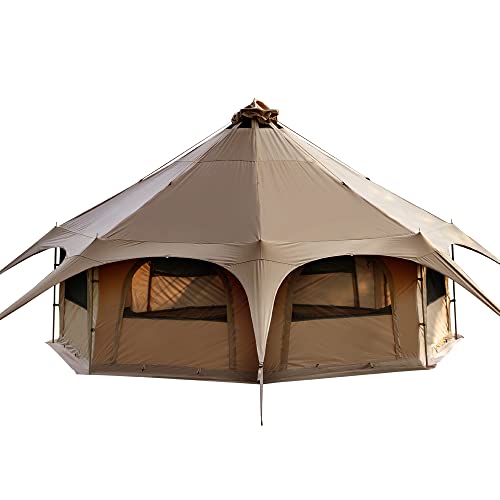
Absolutely. Many glamping operations use large tents as their primary accommodation. With the right furnishings—rugs, cots, lighting, and decor—a 20 person tent can feel like a boutique hotel room. Explore our glamping bell tents guide for inspiration.
Ready to Upgrade Your Group Camping Experience?
Browse our curated selection of top-rated 20 person tents and find the perfect shelter for your next adventure.
VIEW RECOMMENDED TENTS