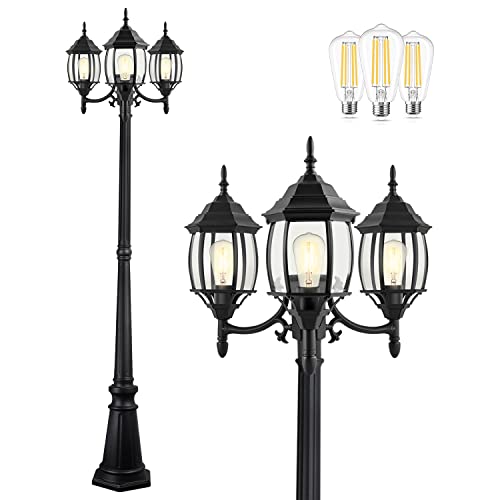
Outdoor Lamp Post: The Ultimate Guide to Campsite Illumination
Discover how to choose, install, and maintain the perfect outdoor lamp post for your campsite, RV, or backyard. Light up your adventures safely and efficiently.
Explore Buying GuideWhy an Outdoor Lamp Post Matters: A reliable light source transforms your campsite from a dark, intimidating space into a welcoming, functional outdoor living area. Whether you are cooking dinner after sunset, reading in your hammock, or simply finding your way to the restroom, a well-placed lamp post provides safety, convenience, and ambiance. This guide will walk you through everything you need to know before making a purchase.
Types of Outdoor Lamp Posts for Camping
Not all lamp posts are created equal. The right choice depends on your camping style, power availability, and portability needs. Here are the main categories you should consider:
Solar-Powered Lamp Posts
These are the most popular choice for eco-conscious campers. They charge during the day via a small solar panel and automatically illuminate at dusk. Ideal for extended trips where power outlets are unavailable. Look for models with high-efficiency panels and robust batteries for reliable performance.
Battery-Operated Lamp Posts
Using standard or rechargeable batteries, these posts offer consistent brightness regardless of weather. They are excellent for shady campsites or winter trips with limited sunlight. Many models feature adjustable brightness settings and long runtimes.
Propane & Gas Lamp Posts
For traditionalists, propane and gas lamps provide a warm, nostalgic glow and significant heat output. They are perfect for cold-weather camping and can double as a heat source. However, they require fuel canisters and proper ventilation.
Electric & RV Lamp Posts
If you are camping in an RV or have access to a power hookup, electric lamp posts offer the brightest and most consistent light. They often come with multiple brightness levels and can be permanently mounted or staked into the ground.
Key Features to Consider Before Buying
When evaluating an outdoor lamp post, focus on these critical factors to ensure you get the best value for your specific needs. Remember, a higher tier product often translates to better durability and performance.
- Brightness (Lumens): Entry-level models typically offer sufficient light for a small tent area. Mid-range and premium options provide brighter, more widespread illumination suitable for larger campsites or group gatherings.
- Power Source: Solar models are convenient but depend on sunlight. Battery models offer reliability but require replacement batteries. Propane models provide heat but need fuel. Choose based on your typical camping environment.
- Build Quality & Durability: Look for weather-resistant materials like powder-coated steel, aluminum, or high-density polyethylene. Premium models often feature rust-proof finishes and impact-resistant housings.
- Portability: If you move campsites frequently, consider collapsible or lightweight designs. Some models break down into compact carrying cases, while others are designed for permanent installation.
- Installation Method: Options include ground stakes, pole mounts, hanging hooks, or freestanding bases. Ensure the chosen method suits your campsite terrain (e.g., rocky ground, sandy soil, or RV bumper).
- Additional Features: Look for motion sensors, dimmable settings, remote controls, or built-in USB charging ports. These features enhance convenience and energy efficiency.
How to Choose the Right Outdoor Lamp Post
Selecting the perfect lamp post is about matching the product to your camping style. Here is a step-by-step approach to guide your decision:
- Assess Your Power Needs: Will you have access to electricity? If not, solar or battery models are your best bet. For RV campers, consider a 12-volt option that connects to your vehicle's power system.
- Determine Your Lighting Area: A single lamp post can illuminate a small tent site. For larger areas, you may need multiple posts or a higher-lumen model. Consider the height of the post as well; taller posts spread light over a wider area.
- Evaluate Weather Conditions: If you camp in rainy or snowy conditions, prioritize waterproof and rust-resistant materials. Solar models should have panels that can withstand hail or heavy rain.
- Consider Portability: For backpacking, every ounce counts. Choose a lightweight, collapsible model. For car camping, you can opt for a sturdier, heavier post that offers more stability.
- Check Compatibility: Ensure the lamp post fits your existing gear. For example, if you have a camping technology setup with a power station, verify the voltage and plug type.
- Read Reviews and Ratings: Look for feedback on battery life, brightness, and durability. Pay attention to comments about customer service and warranty support.
Installation and Maintenance Tips
Proper installation and care will extend the life of your outdoor lamp post and ensure it performs reliably trip after trip.
Installation:
- Choose a Stable Location: Avoid placing the post near tent guylines or high-traffic areas where it could be knocked over. For ground stakes, ensure the soil is soft enough to drive the stake securely.
- Secure the Base: If using a freestanding base, fill it with sand or water for added stability in windy conditions. For pole mounts, tighten all connections to prevent wobbling.
- Position for Maximum Sunlight: Solar panels need direct sunlight to charge efficiently. Place the post in an open area away from trees or tall structures.
- Test Before Your Trip: Always test your lamp post at home to ensure it works correctly and you understand its operation.
Maintenance:
- Clean Solar Panels Regularly: Dust, dirt, and bird droppings can reduce charging efficiency. Wipe panels with a damp cloth before each trip.
- Store Properly: When not in use, store your lamp post in a cool, dry place. Remove batteries to prevent corrosion.
- Inspect for Damage: Check for cracks, rust, or loose connections before each use. Replace worn parts promptly.
- Follow Manufacturer Guidelines: Adhere to the recommended cleaning and storage procedures to maintain your warranty.
Safety Considerations for Outdoor Lighting
While a lamp post enhances your camping experience, it is essential to use it safely. Follow these guidelines to prevent accidents and respect the environment.
- Never Use Open Flames Indoors: Propane and gas lamps produce carbon monoxide. Only use them in well-ventilated outdoor areas.
- Keep Away from Flammables: Ensure the lamp post is at least a few feet away from tents, sleeping bags, and other flammable materials.
- Respect Quiet Hours: Many campgrounds have quiet hours that restrict bright lights. Use dimmable settings or turn off your lamp post during these times.
- Follow Leave No Trace Principles: Avoid installing permanent fixtures or damaging vegetation. Use temporary, removable mounts whenever possible. Learn more about Leave No Trace principles.
- Check Fire Regulations: If using a propane or gas lamp, verify that open flames are permitted in your area. Review campfire regulations for guidance.
- Be Mindful of Wildlife: Bright lights can attract insects and wildlife. Use yellow or amber bulbs to minimize attraction, and avoid pointing lights directly into the forest.
Frequently Asked Questions
Are solar lamp posts effective in cloudy weather?
Solar lamp posts can still charge in cloudy conditions, but at a reduced rate. For extended periods of overcast weather, consider a battery-operated model as a backup or choose a solar model with a larger battery capacity.
Can I use an outdoor lamp post inside a tent?
Only battery-operated or electric lamp posts designed for indoor use should be used inside a tent. Propane and gas lamps produce carbon monoxide and must never be used inside enclosed spaces. Always ensure proper ventilation.
How high should I mount my lamp post?
For general campsite illumination, a height of 4 to 6 feet is ideal. This provides a good balance between light spread and glare reduction. Taller posts (6 to 8 feet) are better for lighting larger areas but may be less stable in wind.
What is the best color temperature for camping lights?
Warm white (2700K–3000K) is generally preferred for camping as it is less harsh on the eyes and attracts fewer insects. Cool white (5000K–6500K) is brighter but can be glaring and may attract more bugs.
How do I protect my lamp post from theft?
Use a cable lock or chain to secure the post to a tree or RV bumper. For solar models, consider models with integrated locks or bring them inside your tent at night.
Can I leave my solar lamp post outside all year?
Most solar lamp posts are designed for outdoor use, but extreme weather can damage them. If you live in an area with harsh winters, bring the post indoors during freezing temperatures to extend its lifespan.
Ready to Light Up Your Campsite?
Now that you understand the key features and considerations, you are ready to choose the perfect outdoor lamp post for your adventures. Explore our recommended products below to find the best fit for your needs.
View Recommended Products