Camping Space Heater: Your Complete Guide to Warm Outdoor Adventures
Compare propane, electric, and radiant heaters. Learn how to choose the right model for your tent, RV, or campsite — and stay warm all night long.
EXPLORE HEATERSWhy a camping space heater matters: Cold weather shouldn't end your camping season. A reliable space heater transforms a chilly tent or RV into a comfortable retreat, extending your adventures into spring, fall, and even winter. But with so many options — from compact electric models to powerful propane units — choosing the right one can feel overwhelming. This guide breaks down everything you need to know about camping space heaters, so you can make an informed decision and sleep warm wherever you roam.
Types of Camping Space Heaters
Not all heaters are created equal. The best choice depends on your shelter type, power availability, and how much space you need to warm. Here are the main categories:
Electric Space Heaters
Quiet, clean, and easy to use — electric heaters are ideal for campgrounds with electrical hookups. They produce no fumes, making them safe for enclosed spaces. Models range from entry-level fan-forced units to mid-range ceramic and infrared designs. Look for adjustable thermostats and tip-over shutoff for safety. Best for: RV camping, powered tent sites, and car camping.
Propane Heaters
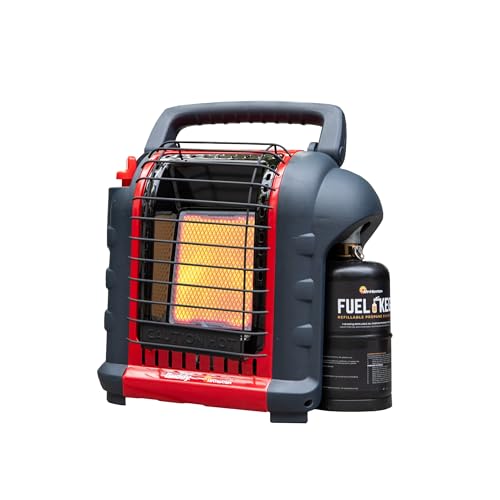
When you need serious warmth off-grid, propane is the answer. These heaters run on small canisters or refillable tanks and deliver powerful radiant or catalytic heat. They're perfect for large tents and RVs in cold conditions. Always ensure proper ventilation — propane produces carbon monoxide. Many models include oxygen depletion sensors and auto shutoff for safety. Best for: winter camping, large tents, and remote sites.
Radiant & Infrared Heaters
Radiant heaters warm objects and people directly, rather than the air. This makes them highly efficient for spot heating in drafty spaces. Infrared models are often portable and can run on electricity or propane. They're a favorite for tent campers who want instant, directional warmth without heating the entire space. Best for: small tents, quick heat, and energy-conscious campers.
RV & Multi-Zone Heaters
For RV enthusiasts, dedicated RV heaters offer integrated thermostats, ducted heating, and higher BTU outputs. Some are designed to be built into cabinetry. Portable options with remote controls and programmable timers are also available at the high-end. These are the most sophisticated and comfortable solutions for extended trips. Best for: full-time RVers and luxury camping setups.
Camping Space Heater Comparison
Use this table to quickly compare key features across the main heater types. Remember: the right choice depends on your campsite's power source, tent size, and climate.
| Feature | Electric | Propane | Radiant / Infrared | RV / Multi-Zone |
|---|---|---|---|---|
| Power Source | AC outlet / generator | Propane canister or tank | Electric or propane | AC / DC / propane |
| Heat Output | Low to moderate | Moderate to high | Directional, instant | High, multi-room |
| Best For | Powered campsites, RVs | Off-grid, large tents | Small tents, spot heat | Full-size RVs, extended trips |
| Ventilation Needed | No | Yes — always | Yes (if propane) | Yes (if propane) |
| Noise Level | Quiet (fan models moderate) | Silent (catalytic) | Silent | Varies |
| Typical Tier | Entry to mid-range | Mid to premium | Affordable to mid-priced | Top-tier |
How to Choose the Right Camping Space Heater
Before you buy, answer these key questions. They'll narrow your options and help you avoid an underpowered or oversized heater.
1. What's your shelter type and size?
A small backpacking tent needs a compact, low-output heater — often a small electric or radiant model. A large family tent or RV demands higher BTU output. As a rule of thumb, the larger the space and the colder the outside temperature, the more heating power you need. For tents, always choose a heater specifically designed for indoor or tent use, with safety certifications.
2. Do you have access to electricity?
If you're camping at a site with electrical hookups, an electric heater is the simplest and safest choice. No fuel, no fumes, no refills. If you're off-grid, propane or battery-operated options are your best bet. Some campers bring a camping power bank or portable power station to run small electric heaters — just check the wattage and battery capacity.
3. How cold will it get?
For mild chill, a basic electric or small radiant heater suffices. For freezing temperatures, you'll want a propane heater with high BTU output, or a combination of a electric tent heater and a propane camping heater for redundancy. Winter campers often pair a heater with a winter sleeping bag and winter tent for maximum warmth.
4. What safety features are non-negotiable?
Look for tip-over shutoff, overheat protection, and — for propane — an oxygen depletion sensor (ODS) and auto shutoff. Never use a heater designed for outdoor use only inside a tent. Carbon monoxide is invisible and deadly; always follow the manufacturer's ventilation instructions.
Camping Space Heater Safety: Essential Rules
A heater can make or break your trip — but only if used safely. Follow these guidelines every time:
- Always ventilate: Even "indoor-safe" propane heaters consume oxygen and produce some carbon monoxide. Keep a tent vent open or a window cracked. Never seal a heated space completely.
- Place on a stable, non-flammable surface: Keep heaters away from tent walls, sleeping bags, and clothing. A tipped heater can ignite fabric in seconds.
- Never leave a heater unattended: Turn it off before sleeping or leaving the campsite. If you need overnight warmth, choose a model with a thermostat and timer, and still follow all safety rules.
- Use a carbon monoxide detector: This is non-negotiable for any fuel-burning heater. Small battery-powered CO detectors are inexpensive and fit easily in a tent or RV. Also review our emergency preparedness guide for more safety tips.
- Check local regulations: Some campgrounds prohibit open-flame or propane heaters in tents. Always check campfire regulations and fire ban guides before your trip.
- Keep children and pets away: Heater surfaces get hot. Establish a "no-go" zone around the unit and never let children play near it.
Maintenance & Storage Tips
A well-maintained heater lasts longer and performs better. Here's how to care for yours:
- Clean regularly: Dust and debris can clog vents and reduce efficiency. Wipe down surfaces and check air intakes before each trip.
- Inspect fuel lines and connections: For propane heaters, check hoses for cracks or leaks. A soapy water test can reveal leaks — bubbles indicate escaping gas.
- Store properly: Remove batteries from electric heaters and disconnect propane canisters. Store in a dry, cool place away from direct sunlight.
- Follow the manual: Every heater has specific maintenance intervals. Don't skip them — especially for fuel-burning models.
Common Mistakes to Avoid
❌ Using an outdoor-only heater indoors
This is the most dangerous mistake. Heaters labeled "outdoor use only" produce lethal carbon monoxide. Always choose a model rated for indoor or tent use.
❌ Skipping ventilation
Even "safe" heaters need fresh air. A sealed tent becomes a death trap. Always leave a vent or window slightly open.
❌ Oversizing the heater
A heater that's too powerful for your tent wastes fuel and creates a fire hazard. Match BTU output to your space — smaller is often safer and more efficient.
❌ Ignoring the thermostat
Running a heater on full blast all night is unsafe and uncomfortable. Use a thermostat or timer to maintain a steady, safe temperature.
Frequently Asked Questions
Can I use a space heater in a tent?
Yes, but only with a heater specifically designed for tent use and with proper ventilation. Electric heaters are generally safest for tents because they produce no fumes. Propane heaters can be used in well-ventilated tents, but you must follow the manufacturer's safety instructions and use a carbon monoxide detector.
How many BTUs do I need for my tent?
It depends on tent size and outside temperature. As a general guide: small tents (2–4 person) do well with 3,000–5,000 BTUs; larger tents (6–10 person) may need 5,000–9,000 BTUs; and large tents or RVs in freezing conditions may require 9,000+ BTUs. Always check the heater's recommended coverage area.
Are electric heaters safe for camping?
Electric heaters are very safe when used correctly. They produce no carbon monoxide, making them ideal for enclosed spaces. However, they require a power source, and you should still keep them away from flammable materials and never leave them unattended for long periods.
What's the best heater for winter camping?
For winter camping, a propane heater with high BTU output and an oxygen depletion sensor is often the top choice. Pair it with a four-season tent (winter tents) and a quality sleeping bag rated for freezing temperatures (winter sleeping bags). Always prioritize ventilation and a CO detector.
Can I leave a space heater on all night?
Most manufacturers advise against leaving a heater unattended while sleeping. If you must, choose a model with a thermostat, timer, and auto shutoff — and ensure proper ventilation. Never leave a propane heater burning overnight in a sealed tent.
Continue your research: Explore our guides on electric tent heaters, propane camping heaters, and radiant portable heaters. For RV-specific options, see RV camper heaters. And if you're planning a cold-weather trip, don't miss our winter camping gear guide and how to stay warm in winter.