Backpacking Tent 2 Person 4 Season: The Ultimate Buying Guide
Everything you need to know about choosing a 2-person, 4-season backpacking tent that can handle winter storms, high winds, and extreme conditions.
START READINGWhy trust this guide? A 4-season backpacking tent is a serious investment for mountaineers, winter campers, and expedition enthusiasts. This guide breaks down the critical features, compares construction types, and helps you match a tent to your specific adventures — without the guesswork.
What Makes a 2-Person 4-Season Tent Different?
A backpacking tent 2 person 4 season is engineered for the harshest conditions. Unlike a 3-season backpacking tent, which handles spring through fall, a 4-season model is built to withstand snow loads, freezing temperatures, and powerful winds. The key differences come down to structure, materials, and ventilation.
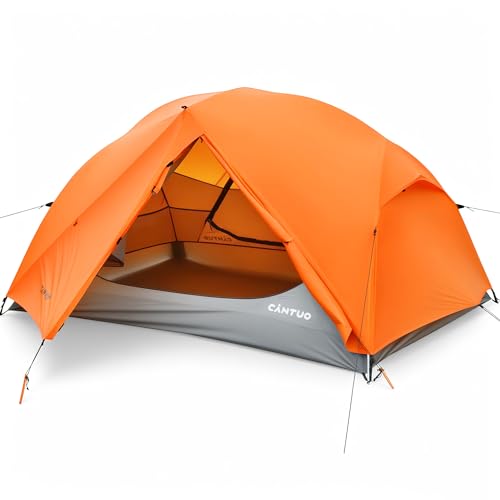
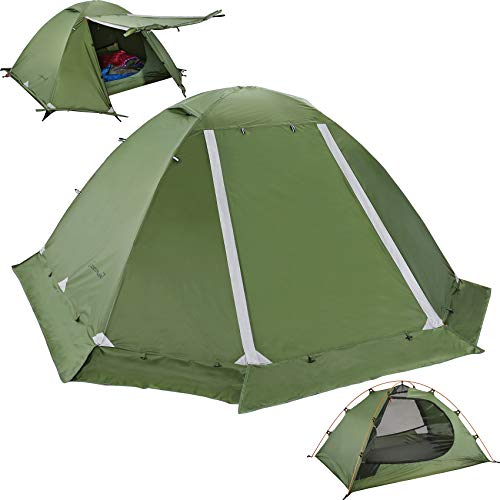
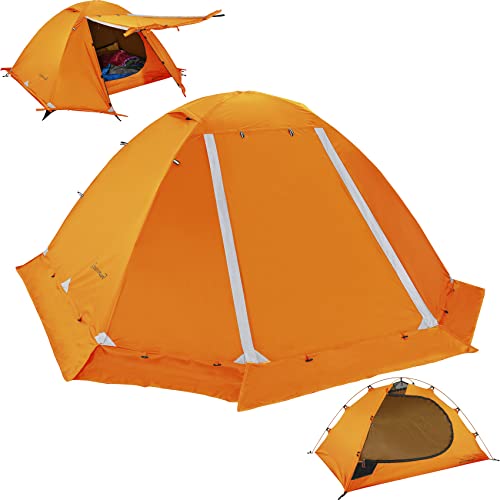
Most 4-season tents use a geodesic or semi-geodesic dome design with multiple pole crossings. This creates a self-supporting structure that sheds snow and resists wind from any direction. They also feature a full-coverage rainfly that extends nearly to the ground, preventing spindrift and cold air from entering the sleeping area.
Ventilation is another critical factor. Because condensation can freeze inside the tent, 4-season models use adjustable vents, often with mesh panels that can be closed from the inside. This balance between sealing out the cold and allowing moisture to escape is what separates a premium 4-season tent from a basic winter shelter.
If you're new to winter camping, start with our winter camping gear guide to understand how a 4-season tent fits into your overall sleep system. For backpackers who want the lightest possible setup, consider whether a 1-person 4-season backpacking tent might be a better match — but for two people sharing the load, a 2-person model offers the best balance of weight and livability.
Key Features to Evaluate in a 2-Person 4-Season Tent
Pole Structure & Geometry
Geodesic and semi-geodesic designs provide superior wind resistance. Look for DAC or aluminum poles with high strength-to-weight ratios. More pole crossings mean better stability in high winds.
Fabric & Denier
Ripstop nylon or polyester with a high hydrostatic head rating (3000mm+) is essential. Silicone-treated fabrics shed snow and resist UV damage. Higher denier equals more durability but also more weight.
Ventilation System
Adjustable vents, mesh panels, and dual doors create cross-ventilation. This reduces condensation, which is the enemy of any winter camper. Some premium tents use a "chimney" effect for passive airflow.
Floor & Bathtub Design
A bathtub floor with taped seams keeps moisture out. For 4-season use, a floor with a 5000mm+ rating and reinforced corners is ideal. Some models offer a removable floor for snow camping.
Doors & Vestibules
Two doors and two vestibules make a 2-person tent far more livable. Vestibules provide storage for packs and boots, keeping the sleeping area clean and dry. Look for vestibules that can be fully sealed.
Weight & Packed Size
For backpacking, aim for a trail weight under 8 lbs (3.6 kg) for a 2-person 4-season tent. Split between two people, that's manageable. Packed size should fit horizontally in a 65L+ backpack.
4-Season Tent Tiers: Entry-Level to Premium
To help you navigate the market without relying on prices, we use universal quality tiers. These descriptors reflect the relative position of each tent in the market, not absolute numbers. This approach keeps our guide relevant for years.
| Feature | Entry-Level | Mid-Range | Premium | Luxury / Expedition |
|---|---|---|---|---|
| Pole Material | Aluminum alloy, 7001 or similar | DAC Featherlite or equivalent | DAC Green or high-end aluminum | DAC NFL or custom carbon |
| Fabric Denier | 40D – 68D | 30D – 40D | 20D – 30D | 15D – 20D (high-tenacity) |
| Hydrostatic Head | 2000mm – 3000mm | 3000mm – 5000mm | 5000mm – 8000mm | 8000mm+ |
| Trail Weight (2P) | 8 – 10 lbs | 6.5 – 8 lbs | 5 – 6.5 lbs | 4 – 5 lbs |
| Ventilation | Basic vents, single door | Dual vents, dual doors | Multi-vent, cross-flow | Advanced chimney & adjustable |
| Best For | Occasional winter campers | Regular 4-season backpackers | Serious mountaineers | Extreme expeditions |
As you move up the tiers, you'll notice that mid-range models typically offer a smoother setup and better wind resistance than entry-level options. Premium and luxury tiers add refined details like color-coded poles, reinforced guy-out points, and superior condensation management.
How to Choose the Right 2-Person 4-Season Tent
Choosing a 4-season tent isn't just about the number of seasons — it's about matching the tent to your specific adventures. Here's a step-by-step approach:
1. Define Your Conditions
Are you camping in mild winter conditions with occasional snow, or are you heading into high alpine environments with sustained winds and heavy snow loads? For moderate winter camping, a mid-range semi-geodesic tent works well. For extreme expeditions, you need a full geodesic design with a low profile.
2. Consider Your Pack Weight
Every ounce counts on a backpacking trip. A 2-person 4-season tent that weighs under 6 lbs is considered lightweight. If you're splitting the weight between two people, even a 7-8 lb tent becomes manageable. Check our guide on good weight for a backpacking tent to understand the trade-offs.
3. Ventilation is Non-Negotiable
Condensation can ruin a winter camping trip. Look for a tent with at least two adjustable vents and a full-coverage rainfly that can be partially opened. A tent with poor ventilation will leave you and your gear damp, which is dangerous in freezing temperatures. Learn more in our how to stay warm in winter guide.
4. Setup Simplicity Matters
In cold, windy conditions, you want a tent that's easy to pitch with gloves on. Color-coded poles, clips instead of sleeves, and a straightforward design are essential. If you're new to winter camping, practice setting up your tent at home before your trip. Our article on how to set up a tent on snow covers this in detail.
5. Don't Forget the Footprint
A footprint protects your tent floor from abrasion and adds an extra layer of moisture protection. Many manufacturers sell custom footprints, but a generic Tyvek sheet can also work. For snowy conditions, a footprint also prevents the tent floor from freezing to the ground.
Related Gear & Guides for 4-Season Backpacking
Your tent is just one part of a complete winter backpacking system. Here are other essentials to consider:
- Winter Sleeping Bags — A 4-season tent pairs best with a sleeping bag rated for the temperatures you'll face.
- Sleeping Bag for Very Cold Weather — For extreme conditions, you need a bag that can handle sub-zero temperatures.
- Camping Pad for Under Sleeping Bag — Insulation from the ground is critical. Look for an R-value of 5 or higher.
- 4-Inch Self-Inflating Sleeping Pad — Comfort and warmth for a good night's sleep in the snow.
- Layering Clothing for Winter — Stay warm and dry with the right clothing system.
- Winter Camping Heaters — Safe heating options for inside your tent.
- Hot Tent Camping Guide — If you want to use a wood stove, you'll need a tent with a stove jack.
- Winter Camping Safety — Essential safety knowledge for cold-weather adventures.
- How to Melt Snow for Water — A critical skill for winter camping.
- Prevent Frostbite & Hypothermia — Know the signs and how to protect yourself.
For those who prefer a different shelter style, a 2-person hammock with mosquito net can be an alternative in some conditions, but it's not a replacement for a true 4-season tent in extreme cold or snow.
Frequently Asked Questions
Can I use a 3-season tent in winter?
In mild winter conditions with little snow and no strong winds, a 3-season tent can work. However, for serious winter camping, a 4-season tent is strongly recommended. The difference in wind resistance, snow load capacity, and ventilation is significant. If you're considering a 3-season tent, read our guide on 2-person 3-season backpacking tents to understand the limitations.
How much should a 2-person 4-season tent weigh?
For backpacking, aim for a trail weight between 5 and 8 lbs (2.3 – 3.6 kg). Entry-level models tend to be heavier, while premium and luxury models can be under 5 lbs. The weight you're willing to carry depends on your fitness and the length of your trip. Split between two people, even an 8 lb tent is only 4 lbs per person.
Do I need a footprint for my 4-season tent?
Yes, a footprint is highly recommended. It protects the tent floor from abrasion, adds an extra layer of waterproofing, and helps prevent condensation from freezing between the floor and the ground. Some tents come with a footprint included; for others, you can buy a custom one or use a Tyvek sheet.
What is the best pole material for a 4-season tent?
Aluminum alloys are the standard. DAC poles are considered top-tier for their strength-to-weight ratio. Entry-level tents often use 7001 aluminum, which is durable but heavier. Premium and luxury tents use DAC Featherlite, Green, or NFL poles, which are lighter and stronger.
How do I prevent condensation in my 4-season tent?
Ventilation is key. Open all vents, even in cold weather. If your tent has dual doors, open the top of one door slightly to create cross-ventilation. Avoid cooking inside the tent, as this adds moisture to the air. A tent with a full-coverage rainfly that can be partially rolled back also helps. Read our winter camping safety guide for more tips.
Ready to Find Your Perfect 4-Season Tent?
Browse our recommended 2-person 4-season backpacking tents below. These are selected for their performance, durability, and value across different tiers.
VIEW RECOMMENDED TENTS