Your Ultimate Guide to Sleeping Bags
From summer weekenders to winter mountaineers — discover expert reviews, temperature ratings, and the perfect sleeping bag for your next outdoor adventure.
Sleeping Bag Essentials: A great sleeping bag is the cornerstone of a good night's sleep outdoors. Whether you're car camping with the family, backpacking through the backcountry, or braving sub-zero temperatures, the right bag keeps you warm, dry, and comfortable. This guide breaks down everything you need to know — from insulation types and temperature ratings to shape, weight, and budget — so you can buy with confidence.
Understanding Temperature Ratings
What Do the Numbers Mean?
Temperature ratings are the single most important factor when choosing a sleeping bag. They indicate the lowest temperature at which the bag will keep you warm. Most bags display a comfort rating (for the average sleeper) and a limit rating (for survival, not comfort). A bag rated for 20°F means you'll stay comfortable down to about 20°F — but always consider your personal sleep style and layering.
- Summer (35°F and above): Lightweight, breathable, ideal for warm nights.
- 3-Season (15°F to 35°F): Versatile for spring, summer, and fall camping.
- Winter (0°F to 15°F): Built for cold weather and snow camping.
- Extreme (-20°F to 0°F): For mountaineering and deep winter expeditions.
Pro tip: choose a bag rated 10°F lower than the coldest temperature you expect to encounter.
Insulation Types: Down vs. Synthetic
The fill material determines warmth, weight, and packability. Here's how they compare:
- Down: Exceptional warmth-to-weight ratio, highly compressible, and long-lasting. Best for backpacking and dry conditions. Water-resistant down is now available for added peace of mind.
- Synthetic: Retains warmth even when damp, dries quickly, and is more affordable. Slightly heavier and bulkier, but ideal for humid climates, family camping, and beginners.
Down is premium; synthetic is practical. Choose based on your primary use case and budget.
Shape, Size & Features
Shape & Fit
Sleeping bags come in three main shapes:
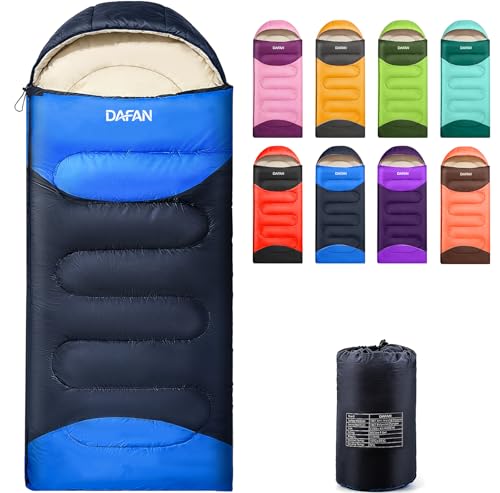
- Mummy: Tapered, hooded, and the most efficient for warmth. Ideal for backpacking and cold weather.
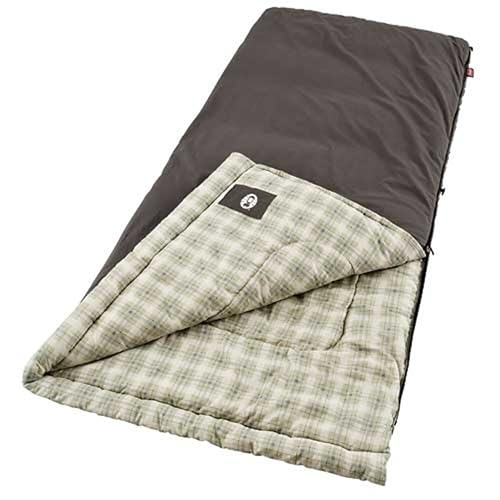
- Rectangular: Roomy, comfortable, and can be unzipped to use as a blanket. Great for car camping and family trips.
- Barrel / Semi-Rectangular: A hybrid that offers more room than a mummy but better heat retention than a rectangle. Perfect for side sleepers.
If you're a side sleeper or toss and turn, a barrel or rectangular shape may be more comfortable. Always check the fit for big guys if you need extra room.
Key Features to Consider
- Zippers: Look for anti-snag zippers and dual zippers for ventilation. Left- and right-zip bags can be paired to create a double bag.
- Hoods & Draft Collars: Essential for cold weather. A well-designed hood traps heat and keeps your head warm.
- Draft Tubes: Insulated tubes along the zipper prevent cold air from seeping in.
- Storage Sack vs. Compression Sack: Use a storage sack at home to maintain loft; use a compression sack on the trail to save space.
For winter camping, look for bags with a high-quality winter sleeping bag that includes all these features.
How to Choose the Right Sleeping Bag for You
By Activity
- Car Camping & Family Trips: Prioritize comfort and room. A rectangular or double bag with a soft lining is ideal. Weight and pack size are less critical.
- Backpacking & Thru-Hiking: Focus on weight, compressibility, and warmth. A mummy bag with 800+ fill down is the gold standard.
- Winter Camping & Mountaineering: You need a bag rated for sub-zero temperatures, with a hood, draft collar, and weather-resistant shell. Check out our winter camping gear guide for more.
- Ultralight & Minimalist: Every ounce counts. Look for bags with 950-fill down and minimalist designs. Consider an underquilt for hammock setups.
By Season & Climate
- Summer (35°F+): Lightweight, breathable bags with mesh panels or full-length zippers for ventilation.
- 3-Season (15°F–35°F): The most versatile choice for most campers. A 20°F bag will handle spring, summer, and fall in most regions.
- Winter (0°F–15°F): Insulated hood, draft collar, and high-loft insulation are essential. Check the temperature guide for detailed advice.
- Extreme (-20°F+): Only for serious mountaineers and polar expeditions. These bags are heavy, bulky, and expensive, but they save lives in harsh conditions.
If you're unsure, a 20°F bag with a camping blanket or liner is a great way to extend its range.
Care & Maintenance
Prolonging the Life of Your Bag
- Store it Loose: Always store your sleeping bag in a large mesh or cotton storage sack. Never leave it compressed in a stuff sack for long periods — this destroys the loft and warmth.
- Wash with Care: Follow the manufacturer's instructions. Most down bags require a special down wash and gentle cycle. Synthetic bags are more forgiving but should still be washed on a delicate cycle and dried with tennis balls to restore loft.
- Air it Out: After every trip, turn the bag inside out and let it air dry for a few hours to prevent moisture buildup and odors.
- Repair Minor Tears: Use a patch kit for small rips. For zipper issues, apply a little zipper lubricant to keep things running smoothly.
Sleeping Bag Liners & Accessories
- Liners: A silk or fleece liner adds up to 15°F of warmth, keeps your bag clean, and feels more comfortable against the skin. A great way to extend your bag's range.
- Pillows & Pads: A good sleeping pad is just as important as the bag. It insulates you from the ground and adds cushioning. Browse our camping pillow and camping mats guides for options.
- Stuff Sacks & Compression Sacks: Use compression sacks to reduce pack size on the trail, but never store your bag in one at home.
With proper care, a high-quality sleeping bag can last 10–15 years or more, making it a smart long-term investment.
Still not sure which sleeping bag is right for you? Check out our full sleeping bag reviews, camping FAQ, or browse the recommended products below to find the perfect match for your next adventure.