Ultralight Camping Gear
Go farther, hike longer, and carry less. Our complete guide to ultralight camping gear helps you shed pounds without sacrificing comfort or safety. Perfect for thru-hikers, weekend warriors, and anyone who wants to enjoy the trail with a lighter load.
Shop Top PicksWhat Is Ultralight Camping?
Ultralight camping is a philosophy and practice of reducing your pack weight to a minimum—typically a base weight (all gear except food, water, and fuel) of 10 pounds or less. The goal isn't just to save weight; it's to increase your comfort, reduce fatigue, and allow you to cover more miles with less strain. By choosing ultralight camping gear, you can transform a grueling hike into a joyful journey.
Whether you're planning a thru-hike, a weekend camping trip, or simply want to make your car camping setup easier, the principles of ultralight apply. Every ounce counts. This guide will walk you through the essential gear categories, key considerations, and our top recommendations to help you build your own lightweight system.
The "Big Three": Shelter, Sleep System, and Backpack
These three categories represent the bulk of your base weight. Choosing wisely here will have the biggest impact on your overall pack weight.
🏕️ Ultralight Tents & Shelters
Modern ultralight tents use advanced materials like Dyneema® and silicone-coated nylon to save weight while maintaining durability. Consider trekking-pole-supported tents to eliminate tent poles.
- Weight: 1–3 lbs (for 1–2 person)
- Materials: Dyneema, silnylon, silpoly
- Style: Single-wall, double-wall, or tarp + bivy
Learn more: Ultralight Tents Guide | Tent Reviews
Typical weight: 2.2 lbs See Top Picks🛌 Lightweight Sleep Systems
A good night's sleep is critical. Ultralight sleep systems combine a quilt or sleeping bag with a high-R-value inflatable pad. Quilts save weight by eliminating the insulation under your back.
- Bag/Quilt: 1–2 lbs (15°–30°F)
- Pad: 12–20 oz (R-value 3–5)
- Pillow: 2–4 oz (inflatable)
Check out Sleeping Bag Temperature Guide and Sleeping Pad Guide.
Typical weight: 3.2 lbs See Top Picks🎒 Ultralight Backpacks
Frameless or minimalist frame packs are the core of an ultralight setup. They typically weigh 1–2.5 lbs and are designed for loads up to 25–30 lbs. Look for durable fabrics like Robic or Dyneema.
- Capacity: 40–60 liters
- Weight: 1.5–2.5 lbs
- Features: Roll-top closure, large side pockets
Compare with Camping Backpacks for heavier loads.
Typical weight: 2.0 lbs See Top PicksCooking & Hydration Systems
Efficient cooking and water treatment are essential. Ultralight campers often use small canister stoves or alcohol stoves, and lightweight titanium pots. Water filters should be compact and reliable.
🍳 Ultralight Stoves & Cookware
Opt for a small canister stove (2–4 oz) or a simple alcohol stove (0.5–1 oz). Pair with a 0.9–1.3 liter titanium pot. Combine with a long-handled spoon and a small cup.
- Stove: 2–4 oz (canister) / 0.5–1 oz (alcohol)
- Pot: 3–5 oz (titanium)
- Fuel: 4–8 oz per day
See also: Camping Stoves and Ultralight Gear List.
Typical weight: 0.8 lbs (stove+pot) See Top Picks💧 Water Filtration & Storage
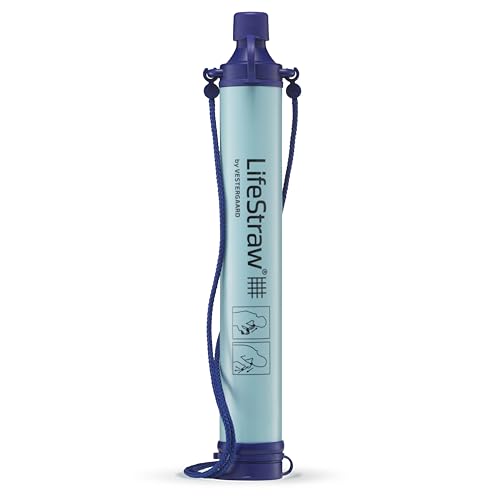
Lightweight water filters (2–4 oz) like the Sawyer Squeeze or Katadyn BeFree are the gold standard. Use collapsible 1–2 liter bottles (1–2 oz each) to save weight.
- Filter: 2–4 oz
- Bottles: 1–2 oz per liter
- Bladder: 2–4 oz (optional)
Learn more: Water Filters Tech.
Typical weight: 0.4 lbs See Top PicksClothing: The Ultralight Layering System
Your clothing is part of your gear system. Use a versatile layering strategy: base layer (merino or synthetic), mid layer (fleece or light puffy), and a rain/wind shell. Avoid cotton and heavy denim.
- Base: Merino or polyester (150–200gsm) – 4–6 oz
- Mid: 100wt fleece or 60g synthetic puffy – 6–10 oz
- Shell: Waterproof/breathable (e.g., Gore-Tex) or silnylon poncho – 5–10 oz
- Rain pants: 3–6 oz
- Accessories: Beanie, gloves, buff – 2–4 oz
Plan for layering. On a typical trip, you might carry a base layer, fleece, puffy jacket, and a shell. Combine with lightweight hiking pants and shorts. For colder conditions, see Winter Layering Guide.
Electronics & Navigation
Modern ultralight gear includes navigation and communication devices that weigh very little. A smartphone with offline maps, a lightweight power bank, and a headlamp are the essentials.
- Headlamp: 1–2 oz (e.g., Nitecore NU25)
- Power bank: 5–8 oz (10,000 mAh)
- Phone: As your main camera and map
- Optional: Satellite communicator (e.g., Garmin InReach Mini) – 4 oz
Consider Best Camping Apps and Navigation Apps for route planning. For safety, a Personal Locator Beacon can be a lifesaver.
5 Essential Tips for Going Ultralight
- Weigh everything: Use a digital scale to track every item. You'll be surprised by the weight of small things.
- Prioritize the "Big Three": Invest in a lightweight tent, sleeping bag, and backpack first.
- Multipurpose gear: Use your trekking poles as tent poles, your pot lid as a plate, and your pack liner as a rain cover.
- Reduce duplicates: You don't need three pairs of socks or two cooking pots. Plan carefully.
- Start with a shakedown hike: Test your gear on an overnight trip to see what works and what can be left behind.
For more detailed planning, explore our Ultralight Backpacking Gear List and First Time Camping Tips.
Is Ultralight Right for You?
Ultralight camping isn't about suffering; it's about comfort through minimalism. It's ideal for long-distance hikers, but also benefits weekend campers who want to carry less and enjoy the trail more. However, it does require an investment in high-quality gear and a shift in mindset. Start small, upgrade gradually, and always prioritize safety over weight.
If you're new to ultralight, consider a Car Camping Checklist first to understand your needs, then transition to lighter gear for backpacking. And always remember the Leave No Trace principles to protect the wilderness.