Things to Cook on a Fire Pit: The Complete Guide
From classic campfire meals to creative outdoor recipes — learn what to cook, how to cook it, and the gear that makes fire pit cooking effortless.
Start CookingWhy Fire Pit Cooking? Cooking over an open fire isn't just about survival — it's about flavor, tradition, and the unique joy of a meal shared under the stars. Whether you're a weekend camper or a seasoned outdoorsman, mastering fire pit cooking transforms your camping experience.
Fire Pit Cooking Basics: What You Need to Know
Before you decide what to cook, it's important to understand the fundamentals of cooking over a fire pit. Unlike a controlled kitchen stove, a fire pit offers variable heat zones, open flames, and the unmistakable aroma of wood smoke. The key to success lies in managing your fire and choosing the right tools.
Start by building a fire that produces consistent coals. Hardwoods like oak, hickory, or maple are ideal because they burn longer and create steady, radiant heat. Once you have a bed of glowing embers, you can create different heat zones — a hot zone for searing, a medium zone for cooking through, and a warm zone for keeping food ready to serve.
For those new to outdoor cooking, the easy things to cook over a fire guide is a great starting point. It covers simple recipes that require minimal equipment and deliver maximum satisfaction. If you're planning a full camping trip, be sure to check our comprehensive camping food to prepare ahead of time resource to streamline your meal planning.
Best Foods to Cook on a Fire Pit
1. Classic Fire Pit Proteins
Meats are among the most popular things to cook on a fire pit. The high heat of a well-built fire creates a beautiful sear, while the smoky flavor infuses every bite. Consider these options:
- Burgers and sausages: Quick-cooking and forgiving, perfect for beginners. Use a cast iron grate or skewers.
- Steak: Sear directly over hot coals for a crust, then move to a cooler zone to finish. Let it rest before slicing.
- Chicken: Use indirect heat to cook through without burning. Marinate beforehand for extra flavor.
- Fish: Wrap whole fish or fillets in foil with herbs and lemon for a delicate, flavorful meal.
- Kebabs: Thread meat and vegetables onto skewers for a complete meal on a stick.
For more inspiration on protein-based meals, explore our collection of camping meals to cook over a fire.
2. Vegetables and Sides
Fire pit cooking isn't just about meat. Vegetables take on a wonderful smoky character when cooked over coals. Here are some favorites:
- Corn on the cob: Soak in water, then grill in the husk for sweet, steamed kernels.
- Potatoes: Wrap in foil with butter and herbs, then bury in coals for 30–40 minutes.
- Bell peppers and onions: Skewer or grill in a basket for fajitas or sides.
- Mushrooms: Thread onto skewers and brush with garlic butter.
- Zucchini and squash: Slice thick, brush with oil, and grill directly on the grate.
If you want to cook a complete meal with pots and pans, our guide to camping pots and pans for open fire will help you choose the right cookware.
3. Breakfast on the Fire Pit
Who says fire pit cooking is only for dinner? A morning fire can produce a hearty breakfast that fuels your day of adventure. Try these ideas:
- Eggs in a basket: Cut a hole in a slice of bread, crack an egg inside, and cook on a griddle over coals.
- Bacon: Cook in a cast iron skillet over medium coals for crispy strips.
- Pancakes: Use a griddle or cast iron pan for fluffy pancakes with a hint of smoke.
- Breakfast burritos: Wrap scrambled eggs, cheese, and meat in foil and heat over coals.
- Cinnamon rolls: Wrap refrigerated dough around a stick or cook in a foil packet.
4. Snacks and Desserts
No fire pit experience is complete without a sweet finish. These treats are fun for all ages:
- S'mores: The classic — graham crackers, chocolate, and toasted marshmallows.
- Fruit skewers: Grill pineapple, peaches, or apples for a caramelized dessert.
- Banana boats: Split a banana, fill with chocolate chips and marshmallows, wrap in foil, and heat.
- Campfire cones: Fill ice cream cones with marshmallows, chocolate, and fruit, wrap in foil, and warm.
- Baked apples: Core apples, fill with cinnamon and brown sugar, wrap in foil, and cook in coals.
For more fun ideas that kids and adults will love, see our list of fun things to cook over a fire.
Techniques for Perfect Fire Pit Cooking
Direct vs. Indirect Heat
Understanding heat zones is the single most important skill in fire pit cooking. Direct heat (right over the coals) is best for searing, quick cooking, and items that need a char. Indirect heat (off to the side of the fire) is ideal for larger cuts of meat, delicate fish, and vegetables that need to cook through without burning.
You can also use a two-zone fire: build your fire on one side of the pit and leave the other side empty. This gives you a hot zone for searing and a warm zone for finishing. For more advanced techniques, especially when cooking in challenging conditions, our guide to camping in the rain in a tent includes tips for maintaining a fire in wet weather.
Using Foil Packets
Foil packets are a camper's best friend. They allow you to cook complete meals with minimal cleanup and virtually no risk of burning. Simply place your ingredients on a sheet of heavy-duty aluminum foil, add seasonings and a little liquid (oil, butter, or broth), fold tightly, and place directly on coals.
Popular foil packet meals include salmon with lemon and asparagus, chicken fajitas, sausage and peppers, and loaded potatoes. The possibilities are endless, and the results are consistently delicious. If you're looking for more camping meals to make ahead of time, many of them can be adapted for foil packet cooking.
Skewers and Sticks
Cooking on a stick is one of the oldest and most enjoyable methods. Whether you're roasting hot dogs, marshmallows, or vegetables, skewers offer a fun, interactive way to cook. Use metal skewers for durability, or wooden ones (soaked in water first) for a disposable option. For a truly rustic experience, whittle a green stick from a nearby tree — just make sure it's a non-toxic species like willow or maple.
Cast Iron Cooking
A cast iron skillet or Dutch oven opens up a world of fire pit cooking possibilities. You can sauté, fry, bake, and even make stews. Cast iron distributes heat evenly and can withstand the intense heat of a fire pit. Just remember to season your cast iron well and avoid soap when cleaning.
For those who want to elevate their camp kitchen, investing in quality camping pots and pans with removable handles makes packing and cooking easier. And if you're planning group meals, our dinner ideas for camping with a group guide offers large-batch recipes that work beautifully over a fire pit.
Fire Pit Safety and Best Practices
Safety should always come first when cooking over an open fire. Follow these essential guidelines to ensure a safe and enjoyable experience:
- Check local regulations: Always verify if fires are permitted in your area. Review our fire ban guide for details.
- Keep a safe distance: Set up your cooking area at least 10 feet from tents, brush, and other flammable materials.
- Never leave a fire unattended: If you need to step away, designate someone to watch the fire or extinguish it completely.
- Have a fire extinguisher or water nearby: Be prepared to put out any flare-ups immediately. Learn how to extinguish a campfire properly.
- Use the right tools: Long-handled tongs, spatulas, and heat-resistant gloves protect you from burns.
- Practice Leave No Trace: Follow Leave No Trace principles to minimize your impact on the environment.
For a comprehensive overview of campfire safety, including rules and regulations, visit our campfire safety rules page. If you're camping in areas with wildlife, also review our food storage rules to keep your food — and the animals — safe.
Essential Gear for Fire Pit Cooking
Having the right tools makes fire pit cooking safer and more enjoyable. Here's what we recommend:
- Cast iron cookware: Skillets, Dutch ovens, and griddles are versatile and durable.
- Heavy-duty aluminum foil: For foil packet meals and easy cleanup.
- Long-handled utensils: Tongs, spatulas, and forks keep your hands away from the heat.
- Heat-resistant gloves: Essential for handling hot pots and adjusting grates.
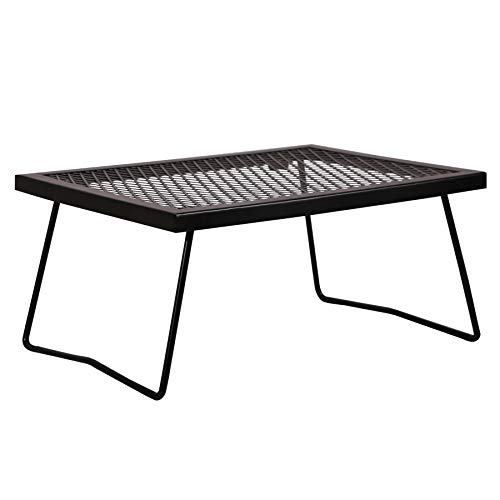
- Fire pit grate: A adjustable grate allows you to control cooking height and heat intensity.
- Skewers: Metal or wooden, for kebabs and marshmallows.
- Fire starters: Reliable fire starters ensure you get cooking quickly.
If you're new to camping, our things to buy for a new camper guide covers all the essentials, including cooking gear. For those who prefer to cook without a fire, we also have resources on camping meals that don't require cooking and food to eat while camping without fire.
Ready to Master Fire Pit Cooking?
Explore our recommended gear and start planning your next outdoor feast.
Shop Camping GearMeal Planning and Prep for Fire Pit Cooking
Great fire pit meals start with good planning. Before your trip, decide which meals you'll cook over the fire and which ones you'll prepare ahead of time. Pre-chopping vegetables, marinating meats, and portioning ingredients into reusable containers or bags saves time and reduces stress at camp.
For multi-day trips, consider a mix of fire-cooked meals and no-cook options. Our food to bring camping for 3 days guide provides a solid framework. If you're camping with a group, make-ahead camping meals for a crowd will help you feed everyone without spending all day at the fire.
Don't forget snacks! Snacks to take on a camping trip keep energy levels up between meals. And for those who want to cook over fire without the fuss, camping food that doesn't need refrigeration is a smart addition to your pantry.
Fire Pit Cooking for Beginners
If you're new to cooking over an open fire, start simple. Hot dogs on a stick, s'mores, and foil packet meals are forgiving and require little equipment. As you gain confidence, branch out into cast iron cooking, kebabs, and Dutch oven recipes.
Our easy meals to cook over a campfire and easy food to cook over a campfire guides are packed with beginner-friendly recipes. For a broader overview of camping skills, the first time camping tips article covers everything from setting up camp to cooking and safety.
Remember that practice makes perfect. Every fire behaves differently, and every campsite has its own conditions. The more you cook outdoors, the more intuitive it becomes. And if you're camping in cold or wet conditions, our camping in the rain in a tent and winter camping resources offer specialized advice.
Cleaning Up After Fire Pit Cooking
Cleanup is part of the process. Proper cleanup not only keeps your gear in good condition but also protects the environment. Here are some best practices:
- Let coals cool completely: Never dispose of hot coals. Wait until they are cold to the touch.
- Dispose of ashes properly: Scatter cold ashes in a designated area or pack them out if required.
- Clean cast iron while warm: Wipe with a cloth or scrub with coarse salt, then oil lightly.
- Pack out all trash: Leave no trace — everything you brought in, including food scraps, should leave with you.
- Check for fire hazards: Ensure the fire is completely out before leaving the site. Douse with water and stir the ashes.
For more on responsible camping, review our Leave No Trace principles and wildfire prevention guides.
Final Thoughts
Fire pit cooking is one of the most rewarding aspects of camping. It connects you to tradition, to nature, and to the simple pleasure of a meal cooked over an open flame. Whether you're roasting marshmallows with family or preparing a gourmet feast for friends, the skills you develop will serve you for a lifetime of outdoor adventures.
So next time you're planning a camping trip, don't just think about what to pack — think about what you'll cook. The fire pit is your outdoor kitchen, and the possibilities are limited only by your imagination. For more inspiration, explore our full collection of things to cook over a fire pit and good food to cook over a fire.