Snacks to Take on a Camping Trip: The Complete Fuel Guide
Smart snacking keeps your energy steady, your mood high, and your pack light. Here is exactly what to bring, how much, and why it works.
SEE THE SNACK GUIDEThe short answer: The best snacks to take on a camping trip are lightweight, shelf-stable, and calorie-dense. Think trail mix, energy bars, nuts, dried fruit, jerky, nut butter packets, and crackers. If you want the full breakdown of what works, what melts, and what keeps you full on the trail, keep reading.
Why Snacks Matter More Than You Think When Camping
Camping burns more energy than most people expect. Setting up a tent, hauling gear, hiking to a viewpoint, and gathering firewood all add up. Your body may burn several hundred more calories per day than it does at home, and waiting until a single large meal to refuel often leads to energy crashes, headaches, and irritability.
Snacks bridge the gap. They stabilize blood sugar, support sustained physical output, and give you something to look forward to during a long hike. They also serve as a safety net. If weather delays dinner, if a stove fails, or if you arrive at camp later than planned, a reliable stash of snacks keeps everyone calm and functional. That is why experienced campers treat snacks as essential gear, not an afterthought.
If you are still building out your full food plan, our guide to camping food that does not need refrigeration pairs well with this article.
What Makes a Good Camping Snack
Not every snack travels well. A good camping snack checks several boxes at once. It should be durable enough to survive being crushed in a backpack, stable enough to sit in a warm car or a cool tent, and dense enough that a small portion delivers real energy. Portability matters too, since you will often eat with one hand while the other holds a map, a trekking pole, or a mug of coffee.
Cleanup is another factor. Snacks that leave crumbs, grease, or sticky residue attract insects and wildlife. Choosing low-mess options reduces the chance of unwanted visitors and makes it easier to follow proper food storage rules. Finally, variety matters. Eating the same bar five times in a row wears thin fast, especially on longer trips. Mixing sweet, savory, salty, and chewy options keeps snacking enjoyable across multiple days.
The Best Snacks to Take on a Camping Trip, by Category
Trail Mix and Nut Blends
Trail mix remains the gold standard for a reason. Nuts and seeds deliver healthy fats and protein, dried fruit adds fast carbohydrates, and a touch of chocolate or candy provides a quick morale boost. A mid-tier trail mix usually offers a better ratio of nuts to filler than an entry-level bag, while premium blends tend to use whole almonds, cashews, and unsulfured fruit instead of oil-coated peanuts and sugar-heavy additions.
Portion trail mix into resealable bags before you leave. This prevents overeating, keeps the mix fresh, and makes it easy to grab a single serving on the trail without digging through your pack.
Energy Bars and Granola Bars
Bars are convenient, but they are not all equal. Entry-level granola bars are essentially cookies and burn off quickly. Mid-range options use oats, nuts, and real fruit with moderate sugar. High-end performance bars are formulated with balanced macronutrients and often include electrolytes for long hikes.
Bring a mix. Use lighter bars for casual snacking around camp and reserve denser, higher-calorie bars for summit pushes or long mileage days. If you are planning active days, our article on 5 essential things to bring in hiking covers related gear that pairs with your snack strategy.
Jerky, Meat Sticks, and Savory Protein
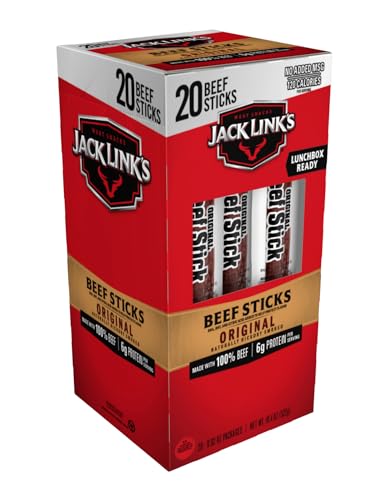
Savory snacks balance out the sweetness of bars and dried fruit. Beef jerky, turkey jerky, and meat sticks are lightweight, shelf-stable, and high in protein. Salmon jerky and tuna pouches add variety and omega-3s. For a vegetarian option, roasted chickpeas and seasoned soy nuts work well.
These are especially useful on cold-weather trips when your body craves salt and protein. Pair them with crackers for a satisfying midday break. For more substantial no-cook options, see our list of camping meals that do not require cooking.
Dried Fruit and Freeze-Dried Options
Dried mango, apricots, raisins, apples, and cranberries provide concentrated carbohydrates in a light package. Freeze-dried fruit is crunchier and lighter still, though usually more costly. Both are excellent for hot-weather trips because they do not melt or spoil.
Watch portion sizes with dried fruit. It is calorie-dense and easy to eat quickly, and the natural sugars can cause a spike-and-crash if eaten alone. Pair it with nuts or cheese for a more stable energy release.
Crackers, Chips, and Crunchy Carbs
Crackers are the delivery vehicle for nut butter, cheese, and hummus. Choose sturdy varieties that survive packing, such as wheat crackers, seeded crisps, or rice cakes. Tortilla chips work surprisingly well if you pack them near the top of your bag and plan to eat them early.
Avoid thin, fragile chips that turn to dust. If you are camping with a group, larger bags are efficient, but repackage them into hard-sided containers to prevent crushing. For group trips, our guide to dinner ideas for camping with a group helps you plan the main meals around your snack lineup.
Nut Butter and Cheese Packets
Single-serve nut butter packets are one of the most practical camping snacks available. They are shelf-stable, mess-free, and pair with almost anything. Peanut, almond, and cashew varieties all work. Hard cheese, such as aged cheddar or parmesan, also holds up well for a day or two in a cool pack and adds a satisfying savory element.
Cheese does better on shorter trips or in cooler conditions. For warm-weather camping, stick with nut butter and jerky as your primary protein snacks.
Sweets and Chocolate
Chocolate is a classic camping treat, but it melts. Choose dark chocolate, which has a higher melting point than milk chocolate, or bring chocolate-covered nuts and raisins that hold their shape better. In hot weather, consider hard candies, licorice, or ginger chews instead.
Sweets serve a real purpose beyond enjoyment. A quick sugar hit can help you push through the final mile of a hike or lift spirits during a rainy afternoon in the tent.
No-Cook Snacks and Cold-Weather Adjustments
Many camping trips involve little or no cooking, especially on backpacking routes or during fire bans. No-cook snacks are the backbone of these trips. Think tuna pouches, nut butter packets, protein bars, dried fruit, and shelf-stable hummus cups.
Cold weather changes the equation. Your body burns more calories staying warm, and snacks that are hard and frozen become difficult to eat. On winter trips, prioritize high-fat, high-calorie options like cheese, nuts, chocolate, and olive-oil-rich crackers. Keep your snack bag inside your sleeping bag or an interior pocket so it stays soft enough to eat. Our winter camping hub covers the broader cold-weather strategy, including how to stay warm in winter.
If you are camping in the rain, snacks become even more important because cooking outdoors may be uncomfortable or impossible. Our article on camping in the rain in a tent explains how to keep your food and gear dry.
How Much Snack Food Should You Bring
A common mistake is under-packing snacks and over-packing heavy meals. As a rule of thumb, plan for 1,500 to 2,500 calories per person per day from snacks, depending on activity level, weather, and body size. That translates to roughly two to three snack servings per person per day.
Always bring one extra day's worth of snacks as an emergency buffer. This covers delays, unexpected hunger, or the possibility that a meal gets ruined. Snacks are light and shelf-stable, so the extra weight is minimal compared to the peace of mind it provides. If you are planning a multi-day trip, our guide to food to bring camping for 3 days offers a full breakdown.
For trips where you want to prep ahead, consider camping food to prepare ahead of time so your snacks and meals work together as a system.
Packing and Storage Tips for Camping Snacks
How you pack snacks matters as much as what you pack. Repackage bulk items into single servings before you leave. This reduces waste, controls portions, and makes it easy to grab a snack without unpacking your entire bag.
Use a dedicated snack bag or stuff sack at the top of your pack for easy access. Keep snacks separate from strong-smelling items like fuel or soap. In bear country, store all food, including snacks, in a bear canister or hang it properly. Our article on food storage rules explains best practices in detail.
For hot-weather trips, consider a small insulated pouch for cheese or chocolate. For cold-weather trips, keep snacks close to your body so they stay edible. A simple zip-top bag inside your jacket works well.
Snack Ideas by Trip Type
Backpacking and Thru-Hiking
Weight is the priority. Choose calorie-dense, low-moisture snacks: nuts, nut butter packets, jerky, energy bars, and freeze-dried fruit. Avoid canned goods and heavy fresh fruit. Repackage everything into lightweight bags.
Car Camping and Family Trips
You have more room, so variety is easier. Bring fresh fruit, crackers, cheese, chips, and a cooler with yogurt or hummus if you have room. Family trips benefit from pre-portioned snack bags to prevent arguments and waste. Our no-refrigeration food guide is useful if you want to skip the cooler entirely.
Cold-Weather and Winter Camping
Prioritize fat and protein. Cheese, nuts, chocolate, jerky, and olive-oil crackers are excellent. Bring more than you think you need, because cold weather suppresses thirst and appetite even as calorie needs rise. See our winter camping gear guide for related planning.
Rainy Trips
When cooking is difficult, snacks become meals. Bring extra no-cook options and keep them in a waterproof bag. Our article on things to do camping in the rain includes tips for keeping morale high when the weather turns.
Snacks to Avoid on a Camping Trip
Some snacks cause more problems than they solve. Avoid items that melt easily, such as milk chocolate and soft cheeses, unless you have a cooler. Skip snacks with strong odors that attract wildlife, including flavored chips and scented jerky. Avoid crumbly items that leave a mess in your tent or pack.
Also be cautious with sugary snacks that provide a quick spike followed by a crash. They are fine in moderation, but should not be your primary fuel source. And always check local regulations before bringing certain foods into bear country or protected areas.
Frequently Asked Questions
What snacks are best for a camping trip?
The best camping snacks are lightweight, shelf-stable, and energy-dense. Top choices include trail mix, energy bars, nuts, dried fruit, jerky, crackers with nut butter, and granola. For cold-weather trips, add high-fat options like cheese and chocolate.
How much snack food should I bring camping?
Plan for 1,500 to 2,500 calories per person per day from snacks alone, depending on activity level. Bring roughly two to three snack servings per person for each day of the trip, plus one extra day's worth as an emergency buffer.
What snacks do not need refrigeration for camping?
Shelf-stable camping snacks include trail mix, jerky, dried fruit, nuts, seeds, granola bars, crackers, peanut butter packets, tuna pouches, and freeze-dried fruit. These stay safe at ambient temperatures and are ideal for multi-day trips.
Can I bring fresh fruit camping?
Yes, for shorter trips and car camping. Apples, oranges, and bananas travel well. Berries and soft fruits bruise easily and should be eaten early. For backpacking, dried fruit is a better choice because it is lighter and more durable.
What snacks are good for kids camping?
Kids tend to prefer familiar, easy-to-eat snacks. Fruit snacks, granola bars, crackers, cheese sticks, apple slices, and trail mix with chocolate pieces all work well. Pre-portioning into small bags helps control portions and reduces mess.
Final Thoughts
The best snacks to take on a camping trip are the ones that match your trip type, your climate, and your personal preferences. Start with a core of shelf-stable, calorie-dense options, then add variety based on the season and the length of your trip. Pack more than you think you need, store everything properly, and keep snacks accessible so you actually eat them.
Good snacking keeps your energy up, your mood steady, and your trip on track. Whether you are hiking a long trail, lounging at a lakeside campsite, or waiting out a rainstorm in your tent, the right snack makes a real difference. For more planning help, explore our camping checklists and first time camping tips.