Good Food to Cook Over a Fire: The Complete Campfire Cooking Guide
Master the art of open-fire cooking with reliable techniques, foolproof recipes, and expert tips that transform simple ingredients into memorable outdoor meals.
START COOKINGWhy Campfire Cooking Matters: There's something deeply satisfying about preparing a meal over an open fire. Beyond the obvious adventure, campfire cooking teaches patience, resourcefulness, and appreciation for simple ingredients. Whether you're a first-time camper or a seasoned outdoorsperson, knowing what foods work well over fire — and how to cook them properly — makes every trip more enjoyable. This guide covers everything from choosing the right foods to mastering heat management, so you can cook with confidence on your next adventure.
Understanding Campfire Cooking: Heat, Fuel, and Technique
Before you decide what to cook, you need to understand how fire behaves. Unlike a kitchen stove with precise temperature controls, a campfire offers variable heat that changes as the fire burns. The key is learning to work with different heat zones and fuel types.
The Three Heat Zones of a Campfire
Flames & Active Fire
Best for quick searing, boiling water, and foods that need fast cooking. This zone is directly above the flames and reaches the highest temperatures. Use it for hot dogs, marshmallows, and quick-boiling tasks.
Glowing Coals
The sweet spot for most campfire cooking. Coals provide steady, even heat ideal for foil packets, cast iron cooking, and foods that need thorough cooking without burning. Most recipes work best here.
Warm Perimeter
Perfect for keeping food warm, slow cooking, and delicate items. Position food at the edge of the fire ring where heat is gentler. Ideal for baked potatoes, slow-cooked stews, and warming bread.
Choosing the Right Wood
The type of wood you burn affects both flavor and cooking performance. Hardwoods like oak, hickory, and maple burn longer and produce better coals for cooking. Softwoods like pine burn quickly and produce more creosote, which can impart unpleasant flavors. Avoid treated or painted wood entirely — it releases toxic chemicals. For the best results, use seasoned hardwood and let it burn down to coals before cooking. If you're new to fire management, review campfire safety rules before you start.
The Best Foods to Cook Over a Fire
Not all foods perform equally well over an open fire. The best candidates share certain traits: they're forgiving of temperature variations, easy to handle outdoors, and benefit from the smoky flavor that only a real fire provides. Below are categories of food to cook over an open fire that consistently deliver great results.
Foil Packet Meals: The Ultimate Campfire Convenience
Foil packets are the backbone of campfire cooking. They're simple to prepare, require minimal cleanup, and accommodate almost any combination of proteins, vegetables, and seasonings. The sealed foil traps steam and flavor while protecting food from direct contact with flames. This method works beautifully for easy meals to cook over a campfire and is perfect for beginners.
Classic Foil Packet Combinations
Protein + Vegetables + Seasoning: Try sliced sausage with bell peppers and onions, diced chicken with broccoli and teriyaki sauce, or salmon fillets with lemon, asparagus, and herbs. The combinations are nearly endless.
Vegetable-Forward Packets
Root vegetables and hearty greens work exceptionally well. Combine cubed potatoes, carrots, and onions with olive oil and rosemary. Add corn on the cob, sliced zucchini, or mushrooms for variety.
Breakfast Packets
Start the day right with foil packet breakfasts: diced potatoes, scrambled eggs (added near the end), cheese, and crumbled sausage or bacon. Cook over medium coals until set.
Foods on Sticks and Skewers
Cooking food on sticks is one of the oldest and most enjoyable methods. It's interactive, fun for all ages, and requires almost no equipment beyond a good stick or metal skewer. For detailed ideas, see our guide to food to cook over a fire on a stick.
Hot Dogs & Sausages
The quintessential campfire food. Thread onto a stick or skewer and rotate over flames until heated through and lightly charred. Works with any sausage variety.
Marshmallows
From lightly toasted to deeply caramelized, marshmallows are the ultimate campfire treat. The perfect s'more requires patience and a good rotation technique.
Kebabs
Thread cubed meat, vegetables, and even fruit onto skewers. Marinate beforehand for deeper flavor. Cook over coals for even results.
Dough on a Stick
Wrap biscuit or crescent roll dough around a stick and cook until golden. Fill the hollow center with butter, jam, or cheese for a delicious treat.
Cast Iron Cooking Over Fire
A cast iron skillet or Dutch oven opens up a world of campfire cooking possibilities. These sturdy pans handle high heat, distribute warmth evenly, and can be moved between heat zones as needed. They're ideal for camping meals to cook over a fire that require more controlled cooking.
Skillet Dishes
Sautéed vegetables, scrambled eggs, pancakes, cornbread, and stir-fries all work beautifully in a cast iron skillet positioned over medium coals.
Dutch Oven Meals
Stews, chili, cobblers, and roasts become possible with a Dutch oven. Place coals beneath and on top of the lid for even, oven-like heat.
Griddle Cooking
A flat cast iron griddle expands your options further: grilled sandwiches, quesadillas, and breakfast items cook quickly and cleanly.
Campfire Recipes by Meal: Breakfast, Lunch, and Dinner
Campfire Breakfast Ideas
Morning meals over the fire set a positive tone for the day. Keep breakfast simple but satisfying, focusing on foods that provide energy for hiking, exploring, or relaxing. Many of these options can be partially prepared at home, making camp mornings easier. For more make-ahead ideas, explore camping food to prepare ahead of time.
- Foil Packet Breakfast: Diced potatoes, onions, peppers, and sausage cooked in foil with a cracked egg on top during the last few minutes.
- Campfire Pancakes: Mix dry ingredients at home. At camp, add water or milk, pour into a cast iron skillet, and cook over medium coals.
- Breakfast Burritos: Warm tortillas over the fire, fill with scrambled eggs, cheese, and pre-cooked bacon or sausage.
- Oatmeal Bar: Cook oats in a pot over the fire. Set out toppings like dried fruit, nuts, honey, and cinnamon for customization.
- Grilled Fruit: Halved peaches, pineapple slices, or banana boats (banana split with chocolate and marshmallows) cook quickly and add sweetness.
Campfire Lunch and Snack Ideas
Lunch over the fire is often lighter, especially if you're active during the day. Focus on quick-cooking items that don't require extensive preparation. These ideas also work well as snacks throughout the day. For more snack inspiration, check out snacks to take on a camping trip.
Quesadillas
Fill tortillas with cheese and any leftover protein or vegetables. Cook on a cast iron griddle or directly on a grill grate over coals until crispy.
Grilled Cheese
Butter bread, add cheese, and cook in a skillet or foil packet until melted and golden. Add tomato slices or bacon for variety.
Soup and Bread
Heat pre-made soup in a pot over the fire. Serve with bread toasted on skewers or in foil with butter and garlic.
Loaded Nachos
Layer tortilla chips, cheese, beans, and jalapeños in a foil packet. Heat until cheese melts. Top with salsa and sour cream.
Campfire Dinner Ideas
Dinner is the main event for most campfire cooks. This is when you can take your time, enjoy the process, and create something truly satisfying. Whether you're feeding a group or cooking for two, these dinner ideas deliver. If you're cooking for a larger group, see our guide to dinner ideas for camping with a group.
Grilled Steak or Chicken
Season meat at home, pack it chilled, and grill over hot coals. Use a meat thermometer to ensure proper doneness. Rest before slicing.
Campfire Chili
Brown ground beef or turkey in a Dutch oven, add canned beans, tomatoes, and spices. Simmer over low coals until flavors meld.
Dutch Oven Pot Roast
Place a seasoned chuck roast, potatoes, carrots, and onions in a Dutch oven with broth. Cook with coals above and below for several hours.
Foil Packet Salmon
Place salmon fillets on foil with lemon slices, herbs, and butter. Seal tightly and cook over medium coals until flaky.
Campfire Paella
A large skillet or paella pan over a bed of coals. Sauté aromatics, add rice, broth, and seafood. Cook until rice is tender and socarrat forms.
Whole Fish Stuffed with Herbs
Clean and stuff a whole fish with lemon, garlic, and fresh herbs. Wrap in foil or cook in a fish basket over coals until done.
Campfire Cooking Methods Compared
Different methods suit different foods and skill levels. This table helps you choose the right approach for your meal and experience level.
| Method | Best For | Difficulty | Cleanup |
|---|---|---|---|
| Foil Packets | Vegetables, fish, chicken, breakfast | Entry-level | Minimal |
| Sticks & Skewers | Hot dogs, marshmallows, kebabs, dough | Entry-level | Minimal |
| Cast Iron Skillet | Eggs, pancakes, sautéed vegetables, steak | Mid-range | Moderate |
| Dutch Oven | Stews, chili, roasts, cobblers, bread | Mid-range to Premium | Moderate |
| Grill Grate | Burgers, chicken, vegetables, fish | Mid-range | Moderate |
| Reflector Oven | Roasts, casseroles, baked goods | Premium | High |
Essential Equipment for Campfire Cooking
You don't need a full outdoor kitchen to cook well over a fire, but a few key tools make the process safer and more enjoyable. Start with the basics and expand as your skills grow.
- Heavy-Duty Aluminum Foil: The workhorse of campfire cooking. Buy the thickest foil you can find; it resists tearing and seals better.
- Long-Handled Tongs and Spatula: Keep your hands safely away from flames. Look for heat-resistant handles.
- Cast Iron Skillet or Dutch Oven: Invest in quality cast iron. It's heavy but virtually indestructible and improves with use. For open-fire cooking, a skillet with a removable handle or a Dutch oven with legs works best. See our guide to camping pots and pans for open fire for more options.
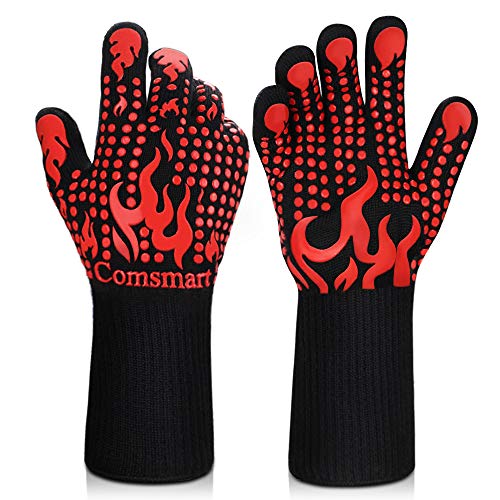
- Heat-Resistant Gloves: Essential for handling hot pots, foil packets, and adjusting grill grates.
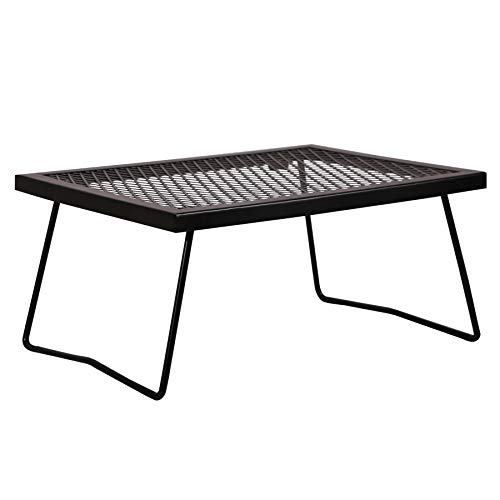
- Grill Grate: A simple metal grate placed over coals expands your grilling options.
- Fire Starters and Lighters: Reliable fire starting is the foundation of everything. Bring backup methods.
- Small Shovel: For managing coals and safely extinguishing the fire. Learn how to extinguish a campfire properly.
- Collapsible Water Container: For extinguishing fires and cleaning up.
Campfire Cooking Safety and Best Practices
Safety should always come first when cooking over an open fire. Follow these guidelines to protect yourself, your group, and the environment.
Before You Cook
Check local fire regulations and burn bans. Never cook during high winds. Clear the area around your fire pit of flammable materials. Have water or sand nearby for emergencies. Review campfire regulations for your area.
While Cooking
Never leave the fire unattended. Use long tools and keep a safe distance. Cook over coals rather than flames for better control. Be cautious with grease — it can cause flare-ups. Keep children and pets at a safe distance.
After Cooking
Extinguish the fire completely before leaving or sleeping. Drown with water, stir ashes, and drown again. Feel for heat before leaving. Follow Leave No Trace principles and pack out all trash.
Advanced Campfire Cooking Tips
Once you've mastered the basics, these techniques will elevate your campfire cooking to the next level.
- Build a Two-Zone Fire: Create one area with active flames and another with just coals. This gives you both high heat and medium heat simultaneously.
- Use a Chimney Starter: For consistent, hot coals without lighter fluid. Fill with charcoal, place over a fire starter, and wait for coals to ash over.
- Preheat Your Cast Iron: Place your skillet or Dutch oven near the fire to warm gradually before adding food. This prevents sticking and ensures even cooking.
- Control Moisture in Foil Packets: Add a small amount of liquid (broth, wine, or water) to create steam. Don't overfill — leave room for steam to circulate.
- Rotate and Reposition: Food doesn't cook evenly over a fire. Rotate skewers, move foil packets, and reposition pans to ensure even cooking.
- Test Doneness: Bring a meat thermometer. Visual cues are helpful, but temperature is the only reliable way to ensure food safety.
- Clean as You Go: Wipe down cast iron while it's still warm. Scrub with a brush and hot water (no soap), dry thoroughly, and apply a thin layer of oil.
Planning Your Campfire Menu
A well-planned menu makes camp cooking much easier. Consider these factors when planning what to cook over fire during your trip.
Consider Your Group
How many people are you feeding? What are their dietary restrictions and preferences? Are there picky eaters? Plan meals that can be customized. For larger groups, see make-ahead camping meals for a crowd.
Plan for the Weather
Windy conditions make fire management harder. Rain requires covered cooking areas. Cold weather increases calorie needs. Always have a backup plan — a camp stove if fires are prohibited or conditions are unsafe.
Prep at Home
Chop vegetables, marinate meats, mix dry ingredients, and portion out spices before your trip. This saves time at camp and reduces cleanup. Label everything clearly. Explore camping meals to make ahead of time for ideas.
Food Storage for Campfire Cooking
Proper food storage is critical when camping, especially if you're cooking perishable items. Follow these guidelines to keep food safe and prevent wildlife encounters.
- Keep Cold Foods Cold: Use a quality cooler with plenty of ice or freezer packs. Keep the cooler closed as much as possible. Consider a separate cooler for drinks to minimize opening.
- Store Food Securely: Never leave food out overnight. Use sealed containers, and follow food storage rules for your location. In bear country, use bear canisters or hang food properly.
- Pack Non-Perishables: Bring shelf-stable items like canned goods, dried foods, and camping food that doesn't need refrigeration as backup.
- Practice Cleanliness: Wash hands before handling food. Use separate cutting boards for raw meat and vegetables. Clean up thoroughly after meals to avoid attracting wildlife.
Frequently Asked Questions About Campfire Cooking
What is the best food to cook over a fire?
The best foods are those that are forgiving of variable heat and easy to prepare outdoors. Foil packet meals with vegetables and proteins, hot dogs and sausages on sticks, cast iron skillet dishes, grilled corn, baked potatoes, and classic s'mores consistently deliver great results. Start with easy things to cook over a fire and expand your repertoire as you gain confidence.
How do you cook food over an open fire safely?
Always maintain a safe distance from flames, use long-handled tools, never leave the fire unattended, and keep a bucket of water or sand nearby. Cook over coals rather than open flames for more even heat. Follow all local fire regulations and practice campfire safety rules at all times. If conditions are windy or dry, consider using a camp stove instead.
What equipment do you need for campfire cooking?
Essential equipment includes heavy-duty aluminum foil, long-handled tongs and skewers, cast iron cookware (skillet or Dutch oven), heat-resistant gloves, a small shovel for managing coals, and reliable fire starters. A portable grill grate is also useful. For cast iron cooking, see our recommendations for camping pots and pans for open fire.
Can you cook pasta or rice over a campfire?
Yes, but it requires attention. Boil water in a pot over high heat, add pasta or rice, and stir frequently. Move the pot to lower heat (coals rather than flames) to simmer. Covering the pot helps retain heat and cook faster. Drain pasta carefully away from the fire.
How do you keep food from burning over a fire?
Cook over coals rather than flames, which provides more even heat. Rotate food frequently, use foil as a barrier, and don't position food too close to the fire. For cast iron cooking, preheat gradually and adjust the distance from the fire as needed. If food is browning too quickly, move it to a cooler part of the fire.
What can you cook over a fire without pots or pans?
Many foods can be cooked directly on coals or with just foil: corn on the cob (soaked in water, husk on), potatoes (wrapped in foil), onions (halved and wrapped), and bananas (split and stuffed with chocolate). Fish can be wrapped in foil or placed on a plank. Meat can be cooked on sticks or skewers. Explore food to cook over a fire pit for more ideas.
Final Thoughts: Mastering Campfire Cooking
Cooking over a fire is one of the most rewarding outdoor skills you can develop. It connects you to a tradition as old as humanity itself while providing delicious meals in beautiful settings. The key is to start simple, practice your techniques, and gradually expand your repertoire.
Remember that every fire is different, every location has its own conditions, and every meal is an opportunity to learn. Don't be discouraged if your first attempts aren't perfect — even experienced campfire cooks have burned a marshmallow or two. With patience and practice, you'll develop an intuitive sense of heat management, timing, and flavor that makes campfire cooking second nature.
Whether you're preparing a quick breakfast before a hike, a leisurely dinner under the stars, or a special meal for friends and family, the skills you develop around the fire will serve you for a lifetime of outdoor adventures. Start with the basics, respect the fire, and enjoy the process.
Ready to Plan Your Next Campfire Meal?
Explore more camping food guides, checklists, and gear recommendations to make your next outdoor cooking experience a success.
Browse Camping ChecklistsContinue Exploring: For more campfire cooking inspiration, see our guides to easy food to cook over a campfire, food you can cook over a fire, and fun things to cook over a fire. Planning a trip? Don't miss our things to take when you go camping checklist and camping food to prepare ahead of time guide.