Netting Hammock: The Ultimate Guide to Bug-Free Camping
Everything you need to know about choosing, setting up, and enjoying a hammock with mosquito net protection for your outdoor adventures.
START EXPLORINGWhy Choose a Netting Hammock? A netting hammock combines the comfort of suspended sleeping with essential insect protection, allowing you to sleep peacefully in bug-prone environments without chemical repellents.
What Is a Netting Hammock?
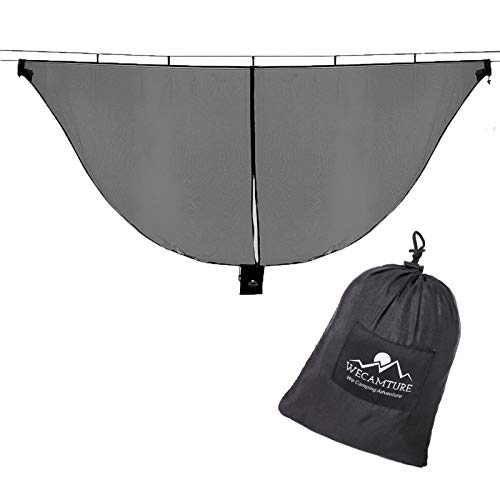
A netting hammock is a camping hammock with an integrated mosquito net or bug net that creates a protective barrier between you and flying insects. Unlike traditional hammocks, these specialized designs feature a fine mesh canopy that seals around the hammock body, preventing mosquitoes, gnats, and other pests from disturbing your sleep. For campers who have experienced the misery of bug bites during the night, a netting hammock represents a significant upgrade in outdoor comfort.
The concept builds upon the ancient tradition of hammock sleeping, which originated in Central and South America. Modern netting hammocks incorporate advanced materials like ripstop nylon and polyester mesh, creating lightweight yet durable shelters that pack down small enough for backpacking trips. If you are new to hammock camping, understanding the difference between a standard hammock and one with netting is essential before making a purchase decision. You might also want to compare tent vs hammock to determine which sleeping system suits your camping style better.
Why Campers Choose Netting Hammocks
The primary advantage of a netting hammock is obvious: protection from insects. However, the benefits extend far beyond bug defense. Hammock camping eliminates the need for flat, dry ground, allowing you to sleep comfortably on slopes, rocky terrain, or even over water. The suspended sleeping position can also provide relief for back pain sufferers who find ground sleeping uncomfortable. For those who enjoy collapsible hammocks for their portability, adding netting expands their usability into bug-heavy environments.
Another compelling reason to choose a netting hammock is weight savings. A complete hammock shelter system with netting and rain fly often weighs less than a comparable tent setup. Backpackers covering long distances appreciate this reduction in pack weight. Additionally, hammocks dry quickly after rain since they are suspended in the air rather than sitting on wet ground. This makes them excellent choices for humid climates or rainy seasons.
For solo campers, a netting hammock provides a cozy, secure sleeping environment that feels less vulnerable than a tent in certain situations. The elevated position also keeps you away from ground-dwelling creatures like snakes and insects. If you are considering solo camping safety, a hammock with netting offers a practical shelter solution that balances protection with minimal setup requirements.
Types of Netting Hammocks
Netting hammocks come in several configurations, each suited to different camping scenarios and user preferences. Understanding these variations helps you select the right model for your needs.
Integrated Netting Hammocks
These models feature a permanently attached mosquito net that is sewn directly into the hammock body. The netting typically zips closed along one side, creating a fully enclosed sleeping chamber. Integrated designs offer the best protection since there are no gaps where insects can enter. However, they tend to be slightly heavier and bulkier than modular options. Entry-level integrated hammocks provide basic protection, while mid-range and premium models offer features like asymmetric shapes for flatter sleeping positions and superior mesh materials for better airflow.
Modular Netting Systems
Modular designs allow you to attach or remove the netting as conditions require. On cool, bug-free nights, you can leave the net at home to save weight. When venturing into mosquito territory, simply clip the netting over your hammock. This versatility appeals to campers who encounter varying conditions across different trips. The trade-off is slightly more complex setup and the potential for small gaps if the netting is not properly secured. For backpackers who want one hammock for multiple environments, a modular system with removable netting offers excellent value. Consider pairing this with a strap hammock suspension system for easy setup on trees.
Hammock Tents with Netting
Some products blur the line between hammock and tent, featuring netting, rain flies, and even structural poles that create a tent-like sleeping space suspended between trees. These hybrid designs offer the ultimate in hammock camping comfort but weigh more and cost significantly more than simple netting hammocks. They suit car campers and base campers who prioritize comfort over ultralight performance.
Key Features to Evaluate
When shopping for a netting hammock, several features determine comfort, durability, and overall satisfaction. Evaluating these factors ensures you select a model that meets your specific camping needs.
Netting Material and Mesh Size
The quality of the mosquito netting directly impacts both protection and breathability. Finer mesh (typically around 200 holes per square inch) blocks even the smallest no-see-ums and sand flies, while coarser mesh offers better airflow. Premium netting hammocks use high-quality polyester or nylon mesh that resists tearing and maintains its shape over years of use. Mid-range models often feature durable mesh that balances protection with ventilation. Budget-friendly options may use heavier, less breathable netting that can feel stifling in hot weather.
Hammock Body Material
The hammock body material affects comfort, durability, and weight. Ripstop nylon is the most common choice, offering an excellent strength-to-weight ratio. Some premium hammocks use proprietary fabrics that feel softer against the skin and resist stretching. The material also determines the hammock's weight capacity, with quality options supporting 300 to 500 pounds safely. Check the manufacturer's specifications and never exceed the stated capacity. For those who enjoy other types of suspended camping, exploring camp shelter options can provide additional context on shelter selection.
Suspension System
The suspension system connects your hammock to trees and significantly impacts setup ease and tree protection. Tree straps (also called tree huggers) are essential for preventing damage to bark and are required in many campgrounds and parks. Whoopie slings offer adjustable, lightweight suspension but require some practice to use efficiently. Daisy chains provide simple, tool-free adjustment. Many netting hammocks include basic suspension, while others require separate purchase. For the best experience, invest in a quality suspension system that includes wide tree straps. Understanding Leave No Trace principles helps ensure your hammock camping does not harm the environment.
Rain Fly Compatibility
While netting protects against insects, rain protection requires a separate rain fly or tarp. Some netting hammocks include integrated rain flies, while others are designed to work with standard hammock tarps. If you plan to camp in wet conditions, factor in the cost and weight of a rain fly when comparing options. The combination of netting hammock plus rain fly creates a complete shelter system that rivals any tent for weather protection. You might also consider a rain fly designed specifically for hammock camping.
How to Set Up a Netting Hammock
Setting up a netting hammock is straightforward once you understand the basic principles. Follow these steps for a comfortable, secure hang every time.
- Select Suitable Trees: Look for two healthy trees approximately 12 to 15 feet apart with trunks at least 6 inches in diameter. Avoid dead trees, weak branches, or trees with loose bark. The ideal hang angle is about 30 degrees from horizontal.
- Attach Tree Straps: Wrap your tree straps around each trunk at about head height. Position them so the hammock will hang at a comfortable sitting height when complete.
- Connect Suspension: Attach your hammock's suspension system to the tree straps. Adjust the length so the hammock bottom sits about 18 inches off the ground when you are not in it.
- Test the Hang: Sit in the hammock gently to test the height and angle. Adjust as needed. The hammock should feel comfortable and stable, not too tight or too loose.
- Deploy the Netting: Unzip or unfold the netting and ensure it fully encloses the hammock. Check that the netting does not sag into the sleeping area, which can reduce interior space.
- Add Rain Fly if Needed: If rain is possible, install your rain fly above the hammock, ensuring it covers the netting and provides adequate ventilation.
Practice setting up your netting hammock at home or in a local park before your camping trip. Familiarity with the process ensures quick, stress-free setup at camp, even in challenging conditions. For more tips on pitching various shelter types, see our guide on pitching tent techniques, which shares principles applicable to hammock setup.
Tips for Comfortable Hammock Sleeping
First-time hammock campers often need a night or two to adjust to suspended sleeping. These tips help accelerate the learning curve.
Sleep Diagonally: Lie at a slight angle rather than straight along the hammock's centerline. This allows you to lie flatter and reduces the banana-shaped curve that causes discomfort.
Use an Underquilt or Pad: Your sleeping bag compresses under your body weight, eliminating insulation beneath you. An underquilt hangs beneath the hammock and traps warmth, while a sleeping pad inside the hammock also works. For cold-weather hammock camping, an underquilt is essential. If you camp in winter conditions, review our winter camping gear guide for additional insulation strategies.
Position Your Pillow: A small pillow or stuff sack filled with soft clothing supports your neck and prevents your head from flopping backward.
Keep Essentials Inside: Use the hammock's interior storage pockets or hang a small organizer from the ridgeline to keep glasses, phones, and headlamps accessible.
Manage Condensation: In humid conditions, condensation can form inside the netting. Position your rain fly to allow airflow while still blocking rain. Some hammocks include ventilation features in the netting design.
Safety Considerations for Hammock Camping
While hammock camping is generally safe, certain precautions ensure a secure and enjoyable experience.
Check Tree Health: Never hang from dead or damaged trees. Falling branches pose serious risks. Inspect trees carefully before attaching straps.
Respect Regulations: Some campgrounds and parks prohibit hammock camping due to tree damage concerns. Always check state park rules and national park rules before your trip. Use wide tree straps to minimize impact.
Weather Awareness: Hammocks offer less protection from severe weather than tents. Monitor camping weather alerts and have a backup plan if storms approach. Lightning safety is particularly important since hammocks are suspended between trees.
Wildlife Precautions: Store food properly to avoid attracting animals. Follow food storage rules and consider hanging food bags away from your sleeping area. In bear country, review bear spray vs gun considerations for personal protection.
Emergency Preparedness: Carry a first aid kit and know basic wilderness first aid. Ensure you have a way to signal for help if needed, and understand emergency SOS signals.
Maintaining Your Netting Hammock
Proper care extends the life of your netting hammock and ensures reliable performance trip after trip.
Cleaning: Hand wash your hammock with mild soap and cool water. Avoid harsh detergents and never machine wash, which can damage netting and seams. Rinse thoroughly and air dry completely before storage.
Storage: Store your hammock loosely in a cool, dry place. Avoid compressing it tightly for extended periods, which can create permanent creases in the netting.
Inspection: Before each trip, inspect the hammock body, netting, and suspension for signs of wear. Repair small tears promptly with gear repair tape to prevent them from growing.
Tree Strap Care: Check tree straps for fraying or damage. Replace worn straps before they fail. Keep straps clean and dry to prevent rot.
Netting Hammock vs Other Camping Shelters
Understanding how netting hammocks compare to alternatives helps you make an informed decision.
Netting Hammock vs Tent: Hammocks excel in uneven terrain, humid conditions, and lightweight backpacking. Tents offer better protection in extreme weather, more space for gear, and suitability for sites without trees. For a detailed comparison, see tent vs hammock. If you decide a tent better suits your needs, explore options like backyard tents for practice or camping tents you can stand up in for spacious comfort.
Netting Hammock vs Standard Hammock: A standard hammock without netting is lighter and simpler but leaves you vulnerable to insects. For bug-free environments, a standard hammock suffices. In mosquito-heavy areas, the netting is essential.
Netting Hammock vs Bivy Sack: Bivy sacks offer ground-level protection with minimal weight but can feel claustrophobic and require flat ground. Hammocks provide more comfort and versatility in terrain selection.
Best Practices for Netting Hammock Camping
Follow these best practices to maximize your hammock camping enjoyment.
- Arrive Early: Good hammock trees are limited at popular campsites. Arriving early ensures you secure a prime spot.
- Test Your Setup: Before committing to sleep, sit in your hammock and verify the angle, height, and netting deployment.
- Keep Gear Organized: Use a gear sling or line beneath the hammock to keep your backpack and shoes off the ground.
- Practice Leave No Trace: Minimize your impact by using existing trees, avoiding fragile vegetation, and packing out all trash.
- Plan for Weather: Always have a rain fly, even if the forecast is clear. Weather can change rapidly in mountainous areas. Review our camping list for essential items to bring.
Final Thoughts on Netting Hammocks
A netting hammock opens up new possibilities for comfortable, bug-free camping in diverse environments. Whether you are a seasoned backpacker seeking ultralight shelter or a casual camper looking for a more comfortable night's sleep, a hammock with integrated mosquito net delivers practical benefits. By understanding the features, setup techniques, and best practices outlined in this guide, you are well-equipped to select and use a netting hammock that enhances your outdoor adventures for years to come.
Remember to consider your specific camping style, climate, and terrain when choosing a model. Entry-level options provide reliable basic protection, while premium hammocks offer advanced features for demanding users. Whichever tier you choose, a quality netting hammock represents a worthwhile investment in outdoor comfort.