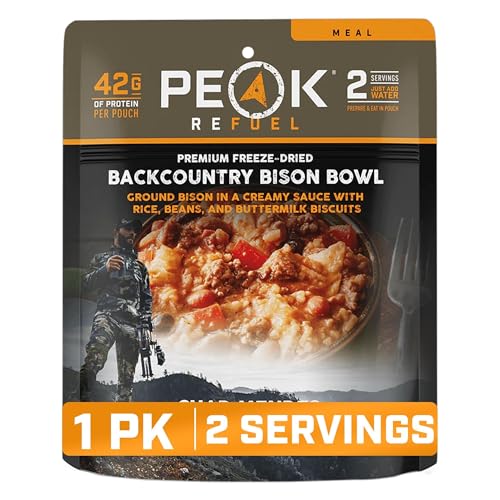
Imagine arriving at your campsite after a long day of hiking or traveling. The last thing you want to do is spend an hour chopping vegetables and cooking over a flickering fire. This is where the magic of make ahead freezer meals for camping comes in. By preparing your food at home, you not only save valuable time in the great outdoors but also reduce cleanup, minimize waste, and ensure you eat delicious, nutritious meals regardless of the weather.
Whether you are a seasoned backpacker looking to lighten your load or a family camper wanting to avoid the "I'm hungry" meltdown, mastering the art of freezer meal prep is a game-changer. In this comprehensive guide, we will walk you through the entire process, from selecting the right recipes and packing techniques to safely reheating your meals at the campsite.
Why Freezer Meals Work for Camping: Freezing meals flattens them for easy packing, acts as a secondary ice block in your cooler, and eliminates the need for a portable camp kitchen setup full of messy ingredients. You simply heat and eat.
1. The Core Benefits: Why Prep Ahead?
Before diving into recipes, it is important to understand why this method is superior for outdoor adventures. The primary benefit is the drastic reduction of "chore time." When you are camping, your time is precious. You want to spend it exploring, fishing, or simply relaxing by the fire, not scrubbing pots.
Secondly, freezer meals help with portion control and budget management. You can buy ingredients in bulk, portion them out at home, and avoid the expensive, often low-quality convenience stores near campgrounds. For those looking to upgrade their camp cooking experience, combining these meals with a good camping stove ensures you have a reliable heat source to bring your pre-made masterpieces back to life.
Logistical Advantages
- Cooler Efficiency: Frozen meals act as ice packs, keeping other perishables cold and reducing the amount of ice you need to buy.
- Space Saving: Freezing liquids and sauces in flat bags allows you to stack them like books, maximizing cooler space.
- Cleanup: If you use freezer bags, you often eat directly from the bag or a single bowl, meaning no scrubbing sticky pans in a cold river.
2. Choosing the Right Recipes
Not all meals freeze well. For camping, you need meals that are sturdy, calorie-dense, and can withstand being reheated in a single pot or over a fire. The best candidates are soups, stews, chilis, curries, and pasta dishes with heavy sauces.
If you are planning a trip that involves a lot of physical activity, like hiking or setting up a sport tent in a remote area, you will want meals high in protein and healthy fats. Avoid meals with high water content vegetables like cucumbers or lettuce, as they will turn to mush upon freezing and reheating.
Top Categories for Freezer Meal Prep
- Soups and Stews: These are the gold standard. They freeze perfectly, reheat easily, and are forgiving if you overcook them slightly.
- Marinated Proteins: Freeze chicken, beef, or tofu in your favorite marinade. By the time you are ready to cook, they are perfectly seasoned.
- Breakfast Burritos: Wrap them individually in foil. You can reheat them directly on a two-burner stove or in a skillet.
- Pasta Bakes: Use sturdy pasta shapes like penne or rigatoni. Avoid delicate noodles like angel hair.
Pro Tip: Under-cook your pasta and vegetables slightly before freezing. The freezing and reheating process will finish the cooking, preventing them from becoming mushy.
3. Essential Gear for Freezer Meal Camping
To execute this strategy successfully, you need a few specific tools. While you don't need a full portable camp kitchen, you do need a reliable cooler and a way to boil water or heat food.
Cooler and Storage
Your cooler is the lifeline of this operation. A high-quality, rotomolded cooler will keep your meals frozen for days. If you are using a standard cooler, plan to eat the frozen meals first and transition to dry goods later in the trip. For storage, heavy-duty freezer bags (quart and gallon sizes) are superior to rigid containers because they conform to the shape of your cooler.
Heating Equipment
You need a reliable heat source. For car campers, a propane stove top is excellent for simmering stews. For backpackers, an ultralight backpacking stove is essential for boiling water to rehydrate meals. If you are camping in colder months, a canvas hot tent with a wood stove can double as a cooking area, though you should always cook outside the main sleeping area.
For those who prefer the comforts of a camper, a 2-person camper often has a small kitchenette, making reheating even easier. However, even without a built-in kitchen, you can set up a RV collapsible table as a prep station.
4. The Prep Process: From Kitchen to Cooler
The key to successful make ahead freezer meals for camping is the assembly line method. Set aside a few hours on a weekend to prep multiple meals at once. This not only saves time but also reduces waste.
Step-by-Step Guide
- Plan Your Menu: Choose 3-4 recipes that share similar ingredients (e.g., onions, garlic, ground beef) to streamline shopping and prep.
- Shop and Chop: Buy your ingredients and chop all vegetables and proteins at once.
- Cook and Cool: Cook your meals according to the recipe, but slightly undercook. Allow them to cool completely in the refrigerator before freezing. Freezing hot food will raise the temperature of your freezer and can compromise the safety of other items.
- Portion and Pack: Label your freezer bags with the date, meal name, and reheating instructions. Fill the bags, remove as much air as possible (you can use a straw to suck out the air or a vacuum sealer), and seal.
- Freeze Flat: Lay the bags flat in your freezer. Once frozen, you can stack them vertically like files. This saves an incredible amount of space.
Efficiency Tip: If you are planning a trip to a campground like Ottawa Lake Campground or a spot like Umpqua State Park, check if they have a camp store. You can often buy ice there to supplement your cooler, allowing you to bring more frozen meals.
5. Storage and Safety: The Golden Rules
Food safety is paramount when camping. You do not want to spend your vacation with food poisoning. The rule of thumb is to keep food out of the "danger zone" (40°F to 140°F / 4°C to 60°C) for more than two hours.
Cooler Management
Pack your cooler strategically. Put the meals you plan to eat on the last day at the very bottom, and the meals for the first day on top. Use a separate cooler for drinks, as it will be opened frequently, causing the temperature to fluctuate.
Thawing Safely
In a cooler, your meals will slowly thaw. This is actually a benefit, as it acts as a refrigerator. However, if you are in a hot climate, you may need to cook the meals while they are still partially frozen. Never leave raw meat thawing in the sun.
If you are camping in bear country, remember that food storage rules are strict. Even if your meals are sealed, the scent can attract wildlife. Always store your cooler in a locked vehicle or a bear-proof locker, never in your tent.
6. Reheating Techniques at the Campsite
The beauty of these meals is their versatility. You can reheat them using almost any method available.
Boiling Water Method (The Easiest)
This is the preferred method for backpackers and minimalists. Simply boil a pot of water and drop your sealed freezer bag into the water. Let it sit for 5-10 minutes until heated through. This works for soups, stews, and even pasta dishes. It requires no cleanup of the pot, as the pot only held water.
Skillet Method
If you have a two burner stove or a fire ring with a grate, you can dump the contents of the bag into a skillet and heat it over the fire. This works well for thicker stews or stir-fries. If you are using a propane stove top, you have precise control over the heat, preventing burning.
Campfire Foil Packets
Some freezer meals, like pre-marinated vegetables and meat, can be transferred directly from the freezer bag to a foil packet and cooked over the coals. This gives you a delicious char and smoky flavor.
7. Menu Ideas and Recipe Inspiration
Here are some specific ideas for meals that freeze well and taste great outdoors.
Breakfast
- Overnight Oats: Mix oats, milk, chia seeds, and fruit in a jar. Freeze. It will thaw overnight and be ready to eat in the morning.
- Breakfast Sandwiches: Assemble English muffins with egg, cheese, and sausage. Wrap in foil and freeze. Reheat on a skillet.
Lunch and Dinner
- Hearty Chili: A classic. It freezes flat, thaws well, and can be topped with cheese and crackers.
- Chicken Curry: Serve with pre-cooked rice. The curry flavor often intensifies after freezing.
- Beef Stroganoff: Freeze the sauce and beef separately from the noodles if possible, or use sturdy noodles like egg noodles that hold up well.
If you are looking for more ideas on meals that require zero cooking at the campsite (perfect for no-fire situations), you might want to check out our guide on camping meals that don't require cooking. For those who love the traditional campfire experience, you can also combine your freezer meals with fun things to cook over a fire like s'mores or foil-wrapped corn.
8. Comparing Meal Prep Tiers: Quality vs. Convenience
When planning your meals, you can think of your approach in terms of "tiers" based on the effort and quality of ingredients. This helps you decide where to invest your time.
| Tier | Description | Best For | Effort Level |
|---|---|---|---|
| Entry-Level | Pre-made store-bought frozen meals or simple assembly (e.g., frozen burritos). | Weekend car campers or those with very limited prep time. | Minimal |
| Mid-Range | Home-cooked meals using standard ingredients, frozen in bags. (e.g., Chili, soups). | Families and regular campers looking for a balance of cost and quality. | Moderate |
| High-End | Gourmet meals using premium ingredients, vacuum-sealed for maximum freshness. | Backcountry trips or special occasions where food quality is a priority. | High |
| Luxury | Meals prepared by a private chef or high-end catering, flash-frozen. | Glamping trips where convenience is the absolute priority. | None (for you) |
For most campers, the Mid-Range tier offers the best return on investment. You control the ingredients, the sodium levels, and the portion sizes, all while saving money compared to pre-packaged outdoor meals.
9. Special Considerations for Different Camping Styles
Your camping style will dictate your meal prep strategy.
Backpacking and Ultralight
Weight is your enemy. For backpacking, you need to dehydrate your meals rather than freeze them. However, you can freeze a meal for the first night out. It will act as a freezer pack for your other food and will be thawed by dinner time. If you are using an ultralight backpacking stove, you are likely just boiling water, so ensure your meals are saucy or soup-like.
RV and Car Camping
You have the luxury of space and power. You can bring a portable fridge to keep things cold without ice, or a large cooler. This allows you to bring a wider variety of meals, including those in rigid containers. You can also bring a propane stove top for more elaborate reheating.
Winter Camping
In cold weather, your cooler becomes a freezer. You don't need ice; you just need to keep the food from freezing solid if you plan to eat it soon. A canvas hot tent provides a warm space to eat, but you should still store food outside to prevent attracting animals. For winter trips, focus on high-calorie stews and chilis. A battery powered space heater for camping can help keep your dining area comfortable, but never use it to thaw food.
10. Cleaning Up and Leave No Trace
One of the biggest advantages of freezer meals is the minimal cleanup. However, you still need to practice Leave No Trace principles.
- Pack Out Your Trash: Even if a bag is "biodegradable," pack it out. Do not burn plastic bags in your campfire.
- Strain Your Wastewater: If you have leftover liquids, strain them and pack out the solids. Scatter the strained water away from water sources.
- Use Biodegradable Soap: If you must wash dishes, use a small amount of biodegradable soap and do it away from streams or lakes.
By following these guidelines, you ensure that your camping trip is not only enjoyable for you but also preserves the environment for others. For more tips on responsible camping, see our guide on Leave No Trace principles.
Conclusion: Eat Well, Camp Better
Make ahead freezer meals for camping transform the outdoor dining experience. They shift the work from the campsite to the comfort of your home kitchen, allowing you to enjoy your trip without the stress of meal planning and cooking. Whether you are simmering a stew on a propane stove top or boiling a bag of soup on an ultralight backpacking stove, the result is the same: a hot, delicious meal that fuels your adventure.
Start small. Try prepping just one or two meals for your next trip. Once you experience the freedom of a no-fuss dinner under the stars, you will never go back to cooking from scratch at the campsite again. Happy camping, and happy eating!