Large Solar Powered Outdoor Lanterns: The Complete Guide
Harness the power of the sun for reliable, eco-friendly lighting on every adventure. Learn how to choose the perfect large solar lantern for camping, emergencies, and outdoor living.
Why Choose Solar? Large solar powered outdoor lanterns offer unmatched convenience—no batteries to replace, no fuel to buy, and no cords to tangle. They charge freely from the sun and provide dependable light exactly when you need it most. Whether you're setting up camp after dark or preparing for a power outage, a quality solar lantern is an essential piece of camping technology.
What Sets Large Solar Lanterns Apart?
Not all solar lanterns are created equal. The "large" category typically refers to units with higher lumen output, bigger batteries, and more robust solar panels. These aren't the tiny decorative lights you might hang on a balcony—they're serious illumination tools designed for basecamps, large tents, and emergency preparedness.
A large solar lantern generally features a high-capacity battery that can store enough energy to run for multiple nights. The solar panel is often detachable or integrated into a wide top surface to capture maximum sunlight. Many models also include USB ports for charging small devices, making them a multi-functional addition to your emergency kit.
Key Features to Evaluate Before Buying
Brightness and Lumens
Large solar lanterns typically range from 300 to over 2000 lumens. Entry-level models often sit in the 300–600 lumen range—adequate for a small campsite or tent interior. Mid-range options push 800–1200 lumens, suitable for illuminating a larger campsite or patio. Premium and high-end models can exceed 1500 lumens, providing enough light to brighten an entire group gathering area.
Consider how you'll use the lantern. If you need to light a large family tent or a group cooking area, higher lumens are essential. For solo trips or small spaces, a mid-range output is often sufficient.
Battery Capacity and Runtime
Battery capacity is measured in milliamp-hours (mAh) or watt-hours (Wh). Larger batteries mean longer runtime but also add weight. On low brightness, a quality large solar lantern can run for 30–50 hours or more. On high brightness, expect 4–12 hours. Look for models with multiple brightness settings and a battery indicator so you're never caught in the dark.
For extended trips or emergency preparedness, consider a model that doubles as a camping power bank, allowing you to charge your phone or other small devices.
Solar Panel Efficiency and Charging Time
Charging time depends on panel size, efficiency, and sunlight conditions. Most large solar lanterns need 6–8 hours of direct sun for a full charge. Monocrystalline panels are generally more efficient than polycrystalline, especially in low-light conditions. Some premium models feature foldable or detachable panels that can be positioned for optimal sun exposure.
If you're camping in an area with unpredictable weather, a hybrid model that supports both solar and USB charging offers valuable flexibility. This is a smart feature for anyone serious about off-grid camping.
Durability and Weather Resistance
Outdoor lanterns must withstand rain, dust, and accidental drops. Look for an IP (Ingress Protection) rating. IPX4 means resistance to splashing water—fine for light rain. IPX7 means the lantern can be submerged in water up to 1 meter for 30 minutes. For rugged environments, a high IP rating and shock-resistant housing are must-haves.
If you frequently camp in wet conditions, pair your solar lantern with other camping communication devices and safety gear that can handle the elements.
Portability and Mounting Options
Large lanterns are heavier than their compact counterparts, but many still offer collapsible designs and carry handles. Some feature built-in hooks for hanging inside a tent or from a tree branch. Others have magnetic bases or tripod mounts. Consider how you'll position the lantern—hanging from the ceiling of a hot tent with stove or placing it on a picnic table—and choose a model with appropriate mounting features.
Types of Large Solar Lanterns
Collapsible Camping Lanterns
These are the most popular for camping. They compress for storage and expand to diffuse light over a wide area. Many are designed to hang inside a tent, and some double as a power bank. Entry-level collapsible lanterns are lightweight but may lack advanced features. Premium models often include adjustable color temperatures and SOS modes.
Solar Floor Lanterns and Path Lights
Larger, freestanding solar lanterns are ideal for patios, driveways, and basecamps. They often resemble traditional floor lamps but operate entirely on solar power. These are excellent for luxury glamping tents or outdoor living spaces where ambient lighting is desired. Some models feature remote controls and timers.
Inflatable Solar Lanterns
Inflatable designs are lightweight, packable, and surprisingly durable. They're a favorite among backpackers and kayakers because they float and can be squeezed into tight spaces. While not as bright as rigid models, high-end inflatable lanterns can still produce 300–500 lumens and run for many hours.
Solar Lanterns with Detachable Panels
These models separate the solar panel from the light unit, allowing you to place the panel in direct sunlight while keeping the lantern in a shaded area. This is a practical design for dispersed camping or any situation where you want to maximize solar collection without moving the light.
How to Choose the Right Large Solar Lantern
For Family Camping
Family trips require bright, reliable lighting that can illuminate a large area. Look for a lantern with at least 800 lumens, multiple brightness settings, and a long runtime on low. A model with a USB port for charging devices is a bonus, especially if you're camping with kids. Durability is key—kids and gear don't always mix gently.
For Emergency Preparedness
When the power goes out, a large solar lantern becomes a lifeline. Prioritize models with high lumen output, long runtime, and the ability to charge via USB as a backup. An SOS flashing mode is a valuable safety feature. Store your lantern in an accessible place alongside your fire extinguisher and emergency kit.
For Backpacking and Minimalist Trips
If weight is a concern, a collapsible or inflatable solar lantern is your best bet. Aim for a model under 10 ounces with at least 200 lumens. While large lanterns aren't typically ultralight, some packable designs offer an excellent balance of brightness and portability. Pair it with a lightweight backpacking tent and a comfortable backpacking sleeping pad for a complete ultralight setup.
For Patio and Outdoor Living
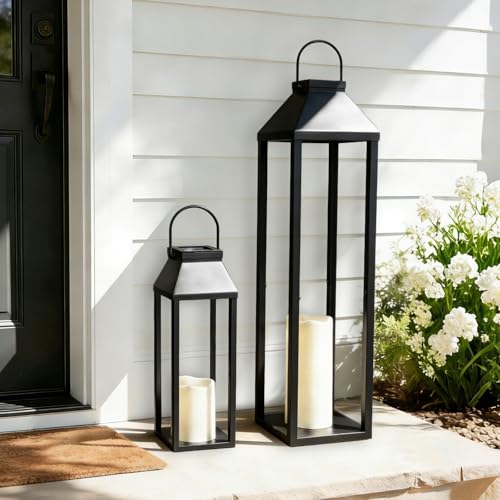
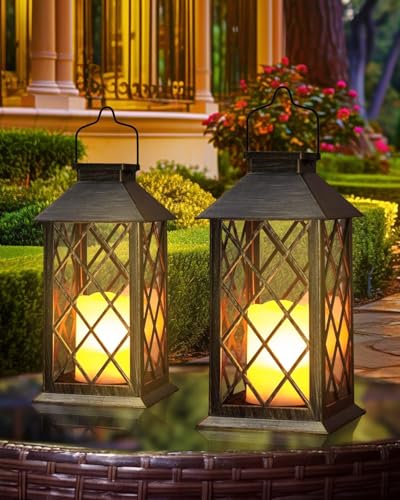
Solar floor lanterns and decorative solar lights are perfect for patios, decks, and gardens. Look for models with warm color temperatures and stylish designs. Many can be left outside year-round. If you're setting up a permanent outdoor space, consider pairing your lanterns with outdoor light fixtures in lantern style for a cohesive look.
Maintenance and Care Tips
To get the most from your large solar lantern, keep the solar panel clean and free of dust, snow, or debris. Even a thin layer of dirt can significantly reduce charging efficiency. Wipe the panel with a soft, damp cloth regularly.
Store your lantern in a cool, dry place when not in use. If you're storing it for an extended period, charge the battery to about 50% first. Avoid leaving the lantern in extreme heat, which can degrade battery performance over time.
For camping trips in cold weather, keep in mind that battery performance drops in low temperatures. A lantern that runs for 20 hours at room temperature might only last 10–12 hours in freezing conditions. If you're winter camping, consider a model with a larger battery or bring a backup. Check our frostbite prevention guide for more cold-weather tips.
Solar Lanterns vs. Other Camping Lights
How do large solar lanterns compare to traditional camping lanterns, flashlights, and string lights?
- vs. Propane Lanterns: Propane lanterns are bright but require fuel, produce heat, and emit fumes. Solar lanterns are cleaner, safer for tent use, and cost nothing to operate after the initial purchase.
- vs. Battery-Powered Lanterns: Battery lanterns work without sunlight but require regular battery changes. Solar lanterns eliminate that ongoing expense and waste.
- vs. String Lights: String lights are decorative but generally low-output. A large solar lantern provides focused, high-intensity light for tasks and safety.
For many campers, the ideal setup combines a large solar lantern for primary lighting with a headlamp or flashlight for personal tasks. If you're planning a group event, such as a camping sports event or soccer tournament, multiple solar lanterns can provide safe, reliable illumination for the entire area.
Common Mistakes to Avoid
- Not Charging Before Your Trip: Even new lanterns may arrive with a partially depleted battery. Charge it fully before you leave home.
- Leaving the Lantern Inside the Tent to Charge: Solar panels need direct sunlight. A tent window blocks too much light. Place the panel outside while keeping the lantern inside if the design allows.
- Ignoring the IP Rating: If you camp in wet conditions, a low IP rating will lead to water damage. Choose a model that matches your environment.
- Overlooking Runtime on High Mode: A lantern that runs 50 hours on low might only run 5 hours on high. Always check the runtime for your preferred brightness level.
- Forgetting About Weight: Large lanterns are heavier. If you're hiking and camping over long distances, every ounce counts.
Top Use Cases for Large Solar Lanterns
Large solar powered lanterns shine in a variety of situations:
- Basecamp Lighting: Illuminate your entire campsite, including the cooking area, seating, and tent entrances.
- Emergency Power Outages: Provide reliable light and device charging when the grid goes down.
- Outdoor Gatherings: Light up patios, decks, and backyard parties without running extension cords.
- RV and Van Life: Save your vehicle's battery by using solar lanterns instead of built-in lights. This is especially useful for full-time RV living.
- Fishing and Hunting: Early morning and late evening trips require dependable light. Pair your lantern with fishing tips for camping to make the most of your time outdoors.
- Job Sites and Remote Work: For those working in remote areas, solar lanterns provide safe, portable lighting. This is also relevant for job sites where traditional power is unavailable.
Frequently Asked Questions
How long do large solar powered outdoor lanterns take to charge?
Most large solar lanterns require 6 to 8 hours of direct sunlight for a full charge. High-end models with advanced solar panels may charge faster, while budget-friendly options might need a full day. The charging time depends on the panel's efficiency and the intensity of sunlight.
Can large solar lanterns be used indoors?
Yes, but they must be charged outdoors in direct sunlight first. Once fully charged, they can be brought indoors for use at night. However, they will not recharge indoors under artificial light, so you'll need to place them back outside to recharge.
Are large solar powered lanterns waterproof?
Many large solar lanterns are designed with water-resistant or waterproof ratings (IPX4 to IPX7). Entry-level models often have basic water resistance for light rain, while premium models are fully submersible and can withstand heavy rain and accidental drops in water.
How long do large solar lanterns last on a full charge?
Battery life varies by model and brightness setting. On low mode, a large solar lantern can last 20 to 50 hours or more. On high mode, expect 4 to 12 hours. Mid-range and premium models often feature larger batteries and more efficient LEDs for extended runtime.
Are solar lanterns worth it for camping?
Absolutely. Solar lanterns eliminate the need for disposable batteries, reduce pack weight over time, and provide free, renewable light. For campers who value sustainability and convenience, a quality solar lantern is a worthwhile investment. Pair it with a solar charger for camping to keep all your devices powered.
Final Thoughts
Large solar powered outdoor lanterns are more than just lights—they're tools for safety, comfort, and adventure. By understanding lumens, battery capacity, durability ratings, and use cases, you can choose a model that fits your lifestyle perfectly. Whether you're car camping with the family, preparing for emergencies, or simply enjoying your backyard, a high-quality solar lantern delivers reliable performance without ongoing costs or environmental impact.
Remember to consider your specific needs: brightness, runtime, portability, and weather resistance. With the right lantern in your gear kit, you'll never be left in the dark.