Fishing Tips for Camping: Gear, Baits & Techniques
Master the art of fishing while camping. From choosing the right rod and reel to selecting lures and reading the water — get expert advice for a successful catch.
Explore Fishing GearCombining fishing and camping is one of the most rewarding outdoor experiences. Whether you're bank fishing on a quiet lake or casting from a kayak, proper preparation makes all the difference. This guide covers essential fishing gear, bait selection, casting techniques, and safety tips to help you make the most of your next camping trip.
🎣 Essential Fishing Gear
- Rod & Reel Combo – Medium-action spinning combo is versatile for most freshwater species. Check fishing rod & reel combos.
- Fishing Lures & Baits – Soft plastics, crankbaits, and live bait (worms, minnows). See fishing lures & baits.
- Tackle Box – Organize hooks, sinkers, swivels, and jigs.
- Fishing Line – 6-12 lb test monofilament or braided line for strength.
- Pliers & Hook Remover – Essential for safe catch-and-release.
- Landing Net – Helps secure larger fish without damaging them.
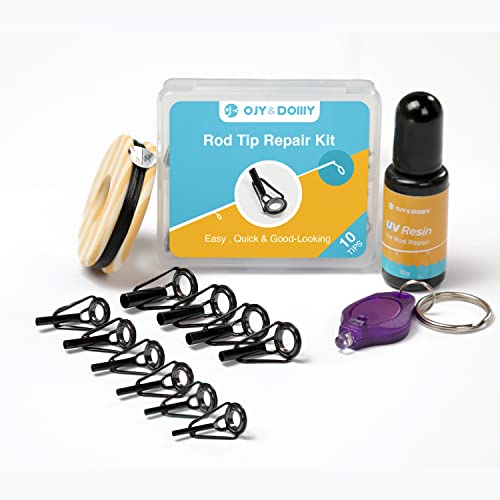
Also consider a fishing reel maintenance kit to keep your gear smooth.
🌊 Techniques & Tactics
- Read the Water: Look for structure (logs, rocks, weed lines) where fish hide.
- Cast Near Cover: Fish often patrol the edges of lily pads or submerged trees.
- Vary Your Retrieve: Slow, steady, or erratic — experiment to trigger strikes.
- Match the Hatch: Use lures that resemble local forage (minnows, crawfish).
- Early Morning & Dusk: Prime feeding times; fish are most active.
- Use a Bobber or Slip Sinker: For live bait presentations at specific depths.
For fly fishing enthusiasts, explore fly fishing gear to get started.
Choosing the Right Fishing Rod & Reel
Selecting the correct rod and reel combo is crucial. For most camping fishing scenarios (lakes, rivers, ponds), a 6'6" to 7' medium-power spinning rod with a 2500-3000 size reel is ideal. It handles a wide range of lures and fish sizes. Pair it with 8-10 lb monofilament or 15 lb braided line for versatility. If you're targeting larger species like pike or bass, consider a medium-heavy rod with a faster action. For ultra-light fishing, a light-action rod with 4-6 lb line works well for panfish and trout.
Best Fishing Lures for Camping
| Lure Type | Best For | Technique |
|---|---|---|
| Soft Plastic Worms | Bass, Walleye | Texas or Carolina rig, slow retrieve |
| Crankbaits | Bass, Pike, Trout | Steady retrieve, varying depth |
| Spinnerbaits | Bass, Northern Pike | Retrieve with occasional pauses |
| Jigs | Bass, Crappie, Panfish | Bounce along bottom or swim |
| Topwater Poppers | Bass, Trout | Surface action at dawn/dusk |
For more bait options, check our guide on fishing lures & baits.
Kayak & Bank Fishing Tips
🛶 Kayak Fishing
- Anchor or drift with wind to cover water efficiently.
- Use a rod leash to prevent losing gear.
- Wear a PFD (life jacket) at all times.
- Install a fish finder for depth and structure mapping.
🏞️ Bank Fishing
- Walk the shoreline and look for drop-offs or channels.
- Cast parallel to the bank to avoid spooking fish.
- Use a longer rod (7'+) for better casting distance.
- Bring a comfortable camping chair for extended waits.
🛡️ Fishing Safety & Regulations
- ✔️ Check local fishing licenses & seasons
- ✔️ Practice catch-and-release responsibly
- ✔️ Be aware of weather changes
- ✔️ Carry a first aid kit & emergency supplies
- ✔️ Follow local wildlife & fire regulations
For more, visit our camping regulations and camping safety guides.
Related: camping tips • best time to camp • camping stoves • cold weather camping • camping gadgets • camping recipes • camping destinations
Ready for Your Next Fishing Camping Trip?
Get the best gear, learn the techniques, and enjoy the great outdoors. Start with the recommended products below.
Shop Fishing Gear