Hiking Gear Store: Your Ultimate Guide to Trail-Ready Equipment
Whether you are a weekend wanderer or a seasoned thru-hiker, having the right gear is the difference between a miserable slog and a memorable adventure. This guide will walk you through everything you need to know before you buy.
Why Trust This Guide? We have spent years on the trail, testing gear in rain, snow, and scorching heat. This isn't just a list of products; it's a distillation of hard-earned lessons. Our goal is to help you navigate the overwhelming world of hiking gear so you can make informed decisions and spend more time hiking.
First Things First: What Kind of Hiker Are You?
Before you even look at a hiking gear store, you need to define your hiking style. A day hiker has vastly different needs from someone planning a multi-day backpacking trip. Are you planning leisurely walks on well-maintained trails, or are you eyeing a rugged, high-altitude ascent? The gear you choose must match the demands of your adventure. For those just starting, a basic backpacking trip checklist can be an invaluable tool. If you're venturing into colder climates, your entire approach will shift, requiring specialized knowledge found in our winter camping resource.
The Foundation: Hiking Footwear
Your boots or shoes are the most critical piece of gear you will buy. They are your connection to the trail. A bad pair can lead to blisters, sprained ankles, and a ruined trip. When you visit a hiking gear store, prioritize footwear above all else.
Look for a fit that is snug in the heel but allows your toes to wiggle. Consider the terrain: sturdy, high-cut boots offer more ankle support for rocky paths, while lighter, low-cut trail runners are excellent for smoother, well-groomed trails. Waterproofing is a key feature; it keeps your feet dry in mud and puddles but can make your feet sweat in hot, dry conditions. Breathability is the alternative. Your choice here is a fundamental trade-off.
Carrying Your World: Hiking Backpacks
A backpack is more than just a bag; it's a load-bearing system. The key to a good backpack is the fit. A properly fitted pack will transfer the weight to your hips, saving your shoulders and back from agony. When you are in a hiking gear store, ask to be fitted by a professional.
Capacity is measured in liters. For a day hike, a pack in the 15-30 liter range is usually sufficient. For an overnight trip, you will likely need something in the 40-60 liter range. For multi-day expeditions, you will be looking at packs of 60 liters and above. Look for features like a ventilated back panel, multiple adjustment straps, and durable, water-resistant materials. A good pack can last you a decade or more, so it's worth investing in a camping back pack that fits you perfectly.
Dressing for Success: Hiking Clothing
Cotton is not your friend on the trail. It absorbs sweat, loses its insulating properties when wet, and dries slowly. Instead, follow the layering system.
- Base Layer: This layer manages moisture. Merino wool or synthetic fabrics like polyester are excellent choices. They wick sweat away from your skin to keep you dry and comfortable.
- Mid Layer: This is your insulation layer. A fleece jacket or a lightweight down jacket traps heat. The choice depends on the temperature. For cold-weather hiking, understanding the principles of layering clothing for winter is essential.
- Outer Layer: This is your protection from the elements. A waterproof and windproof shell jacket is crucial. It should be breathable to allow moisture from your body to escape while keeping rain and wind out.
Essential Hiking Accessories
Beyond the big three (boots, pack, clothing), a well-stocked hiking gear store will have a range of accessories that can make or break your trip.
- Trekking Poles: These are not just for the elderly. They reduce the impact on your knees, especially on descents, and provide stability on uneven terrain. They are a game-changer for anyone carrying a heavy pack.
- Navigation: Do not rely solely on your phone. Batteries die. Carry a map and compass, and know how to use them. A dedicated GPS device or a comparison of GPS vs smartphone for navigation can also be a wise investment. For emergencies, consider a device like a satellite communicator if you are going into remote areas.
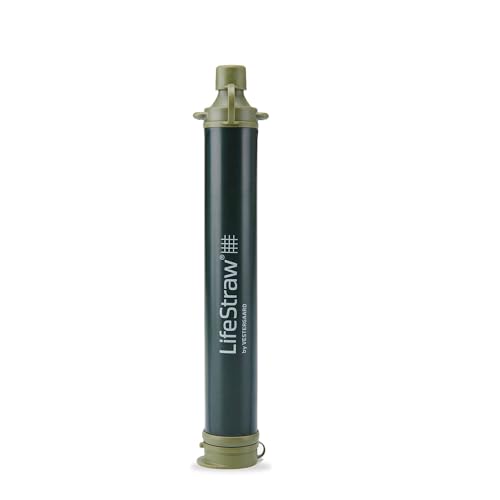
- Hydration: Staying hydrated is critical. A water filter or purification tablets are essential for refilling from natural sources. For intense hikes, a hydration pack can be more convenient than a water bottle.
- Safety & First Aid: A basic first aid kit is non-negotiable. You should be prepared for common camping injuries and have the knowledge from resources like a wilderness first aid guide. Carrying an emergency SOS signal device, like a whistle or a mirror, is also a smart practice.
How to Choose a Hiking Gear Store
You can buy gear online or in person. An online hiking gear store often has a wider selection and competitive pricing, but a physical store offers the invaluable advantage of trying things on. For footwear and backpacks, a physical store with knowledgeable staff is almost always the better option. For smaller items like lanterns or a camping stove and oven, online research and purchase are perfectly fine. Many online stores have excellent return policies, which allows you to test the fit at home.
Buying Responsibly and Treading Lightly
As hikers, we have a responsibility to protect the environments we love. When possible, support brands that use sustainable materials and ethical manufacturing. More importantly, practice the principles of Leave No Trace. This means packing out everything you pack in, staying on designated trails, and respecting wildlife. The gear you buy is a tool, but it is your actions that ultimately determine your impact. Before you head out, it's always a good idea to check the campfire regulations for the area you plan to visit to prevent the risk of wildfire.