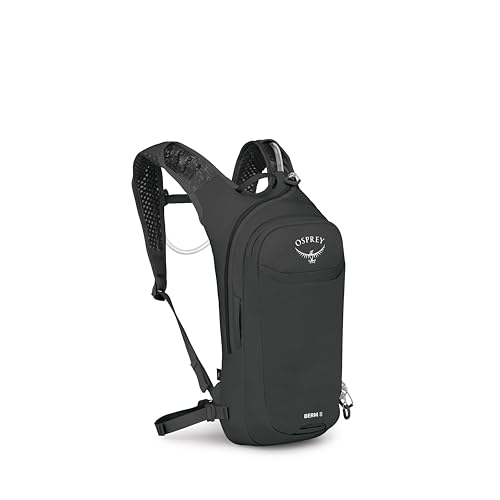
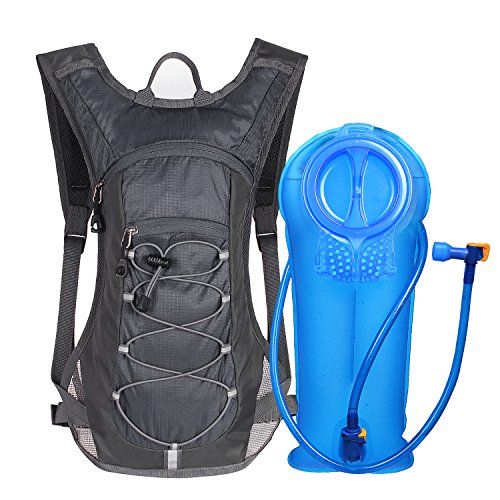
Mountain Biking Hydration Pack: The Ultimate Guide to Staying Hydrated on the Trail
Discover how to choose the right hydration pack for mountain biking. Learn about capacity, fit, insulation, and essential features to keep you hydrated and comfortable on every ride.
Start Your ResearchWhy Hydration Matters for Mountain Biking: When you're navigating technical terrain, climbing steep hills, and descending at speed, your body loses fluids rapidly. A quality hydration pack keeps water accessible without slowing you down—so you can focus on the trail, not on thirst.
Why a Dedicated Hydration Pack Beats Water Bottles on the Trail
Mountain biking presents unique hydration challenges that traditional water bottles simply can't solve. When you're riding technical singletrack, your hands are occupied with handlebars, brakes, and shifters. Reaching for a bottle means taking a hand off the bar—a risky move on rough terrain. A mountain biking hydration pack solves this by keeping water on your back, accessible through a bite valve and tube that routes over your shoulder. You can drink while keeping both hands on the bars and your eyes on the trail.
Beyond convenience, hydration packs distribute weight across your back and hips rather than concentrating it in a single bottle cage. This balanced carry reduces fatigue on long rides and allows you to carry more water than a single bottle can hold. Many packs also include storage for tools, snacks, a spare tube, and a lightweight layer—turning your hydration pack into a complete trail-day carry system.
Hydration Pack Capacity: How Much Water Do You Actually Need?
Hydration packs for mountain biking typically range from 1.5 liters to 3 liters of water capacity, with some larger models exceeding 3 liters. The right size depends on your ride duration, climate, and personal sweat rate. As a general guideline:
- 1.5 to 2 liters: Ideal for short rides under two hours, cool weather, or riders who hydrate well before heading out. These packs are lighter and less bulky.
- 2 to 2.5 liters: A versatile sweet spot for most trail riders. This capacity covers two to three-hour rides in moderate conditions and leaves room for tools and snacks.
- 3 liters and above: Best for long endurance rides, hot climates, or riders who sweat heavily. These packs are heavier when full but eliminate the need to refill mid-ride.
Consider your local climate and ride style. If you frequently ride in arid desert conditions, lean toward larger capacity. If your rides are short and shaded, a smaller pack may suffice. Remember that water weighs roughly one kilogram per liter—so a full 3-liter pack adds significant weight. Balance capacity against comfort and bike handling.
Fit and Comfort: The Difference Between a Great Ride and a Painful One
A hydration pack that shifts, bounces, or digs into your shoulders will ruin an otherwise great ride. Fit is arguably more important than any other feature. Look for packs with adjustable sternum straps, padded shoulder straps, and a waist or hip belt that transfers weight to your hips. The pack should sit snugly against your back without restricting movement or breathing.
Ventilation is another critical factor. Mountain biking generates significant body heat, and a pack that traps sweat against your back will leave you soaked and uncomfortable. Many modern packs use suspended mesh back panels or channeled foam to promote airflow. Some high-end models feature tensioned mesh that keeps the pack body entirely off your back—excellent for hot weather but often at a higher price tier.
Women-specific and torso-length-specific fits are increasingly common. If you have a shorter torso or broader shoulders, a unisex pack may never feel quite right. Investing in a pack designed for your body type pays dividends in comfort over many seasons of riding.
Insulation and Reservoir Quality: Keeping Water Cool and Clean
Nothing is less refreshing than a mouthful of warm water on a hot climb. Insulated hydration packs use closed-cell foam or reflective liners to slow heat transfer from your body and the sun to the reservoir. Some also insulate the drinking tube, which is important because the first few sips from an uninsulated tube can be surprisingly warm. If you ride in hot climates, insulation is worth prioritizing.
Reservoir design matters too. Look for wide-mouth openings that make filling and cleaning easy. Bite valves should be reliable and leak-free, with a shutoff mechanism to prevent spills during transport. Many riders prefer reservoirs with baffles that keep water from sloshing, which can throw off balance on technical descents. Replacement reservoirs and bite valves are widely available, so consider long-term parts availability when choosing a brand.
Storage and Organization: More Than Just Water
Most mountain biking hydration packs double as small backpacks, with compartments for tools, snacks, keys, and a phone. Consider what you typically carry on a ride: a multi-tool, tire levers, a spare tube, a mini pump, a snack, and perhaps a lightweight rain shell. The pack should have enough organized storage to hold these items without becoming a shapeless lump.
External compression straps help stabilize the load when the pack is partially empty. Hip belt pockets are invaluable for quick-access items like energy gels or a phone. Some packs include dedicated sleeves for a small bladder or a tool roll. Think about whether you prefer a streamlined pack for race day or a larger pack for all-day epics. There's no single perfect size—choose based on your most common ride profile.
Durability and Weather Resistance: Built for Trail Abuse
Mountain biking exposes gear to mud, dust, rain, and the occasional crash. Your hydration pack should be made from durable materials such as ripstop nylon or polyester with a water-resistant coating. Look for reinforced stitching at stress points and quality zippers that won't jam when gritty. A pack that can't handle a light rain shower or a muddy splash will leave your gear—and your water—compromised.
Some packs include integrated rain covers, while others are treated with durable water repellent finishes. Neither is fully waterproof in prolonged downpours, but they handle trail spray and brief showers well. If you ride in wet climates, consider a pack with a dedicated rain cover or use a lightweight dry bag inside for critical items.
Buying Guide: Matching Your Pack to Your Riding Style
Different riders need different packs. Here's how to match features to your riding style:
- Cross-country and marathon riders: Prioritize light weight, minimal storage, and a stable fit. A 1.5 to 2-liter pack with just enough room for a multi-tool and a snack is ideal.
- Trail riders: A 2 to 2.5-liter pack with moderate storage covers most rides. Look for ventilation and a comfortable hip belt.
- Enduro and downhill riders: Stability is paramount. Choose a pack with a snug fit, compression straps, and a low profile that won't catch on branches or interfere with body movement.
- Bikepackers and all-day adventurers: A 3-liter pack with generous storage for layers, food, and tools. Comfort over long hours is the priority.
When comparing packs, consider the quality tier. Entry-level packs offer basic hydration and storage but may lack ventilation or durable materials. Mid-range packs typically add better back panels, more thoughtful organization, and improved reservoirs. Premium and luxury packs feature advanced suspension systems, premium fabrics, and refined details that enhance comfort over long rides. There's no single right answer—choose the tier that matches your riding frequency and budget priorities.
Keeping Your Hydration Pack Fresh: Maintenance Tips
Hydration packs require regular cleaning to prevent mold and bacteria growth in the reservoir and tube. After each ride, empty any remaining water and rinse the reservoir with warm water. For a deeper clean, use baking soda and lemon juice or a dedicated reservoir cleaning kit. Hang the reservoir to dry completely with a reservoir hanger or a clean dish rack. The drinking tube should be flushed and hung vertically to drain.
Inspect your pack periodically for wear on straps, zippers, and seams. Replace bite valves as they age—they're inexpensive and can be a source of leaks. With basic care, a quality hydration pack can last many seasons of regular riding.
Quick Tips for Hydration on the Trail:
- Drink before you're thirsty—thirst is a sign you're already slightly dehydrated.
- Take small, frequent sips rather than large gulps.
- On long rides, consider adding an electrolyte tab to your water to replace lost salts.
- In cold weather, insulate your tube or blow water back into the reservoir after drinking to prevent freezing.
Frequently Asked Questions
How do I prevent my hydration pack from bouncing on rough descents?
Ensure the sternum strap and hip belt are snug but not restrictive. Compression straps on the sides of the pack can also minimize movement when the reservoir is partially empty. Some packs feature stability panels or a closer-fitting design specifically for aggressive riding.
Can I use a hydration pack for other outdoor activities?
Absolutely. A mountain biking hydration pack works well for hiking, trail running, and even commuting. However, bike-specific packs often have features tailored to riding, such as a lower profile for helmet clearance and organizational pockets for bike tools. If you want one pack for multiple activities, look for a versatile design with adjustable fit.
How often should I replace my hydration bladder?
With proper cleaning and care, a quality hydration bladder can last several years. Replace it if you notice persistent odors, cracks, or leaks that can't be repaired. Bite valves typically need replacement more often—every season or two with regular use.
Is an insulated hydration pack worth it?
If you ride in hot climates or on long exposed climbs, yes. Insulation keeps water cooler for longer, which encourages you to drink more. In mild or cool conditions, insulation is less critical and adds a bit of weight and bulk.