Essentials for Camping in the Rain: Stay Dry, Stay Comfortable
Rain doesn't have to ruin your outdoor adventure. With the right gear and knowledge, wet weather camping can be one of the most peaceful and rewarding experiences nature offers. Here's everything you need to know.
EXPLORE THE GUIDEWhy Rain Camping Deserves a Second Look: Many campers cancel trips at the first sign of rain, but experienced outdoors enthusiasts know that a well-prepared rainy camping trip offers unique rewards — fewer crowds, lush scenery, the soothing sound of raindrops on a tent, and a sense of accomplishment that fair-weather camping simply can't match. The key difference between a miserable wet trip and a memorable one comes down to preparation. This guide covers every essential you need, from shelter and sleep systems to clothing and camp kitchen setup, so you can venture out with total confidence.
1. Shelter: Your First Line of Defense
Your tent is the single most critical piece of gear when rain is in the forecast. A tent that performs well in dry conditions may fail completely in sustained rain, so it's worth understanding what actually keeps water out. The two most important specifications are the hydrostatic head rating (a measure of water resistance) and the tent's architectural design, particularly whether it has a full-coverage rainfly and a bathtub-style floor.
Waterproof Tent with Full Rainfly
Look for a tent with a hydrostatic head rating of at least 2000mm for the fly and 3000mm for the floor. A full-coverage rainfly that extends almost to the ground prevents wind-driven rain from entering through mesh panels. Tents with factory-taped seams are far more reliable than those requiring aftermarket sealing.
Bathtub Floor Design
A bathtub floor has raised edges that prevent ground water from seeping in through the seams. This design is especially important when camping on saturated ground. If your tent lacks this feature, a footprint or ground tarp sized slightly smaller than the tent floor provides an extra layer of protection.
Freestanding vs. Stake-Dependent
Freestanding tents can be pitched without stakes (though staking is still recommended), making them easier to set up on rocky or muddy ground. However, in strong wind-driven rain, a well-staked tunnel or semi-geodesic tent often performs better. Consider the conditions you'll face most often.
Vestibule Space
A generous vestibule gives you a dry place to remove wet boots and jackets before entering the sleeping area. This simple feature dramatically reduces moisture inside the tent. Look for tents with at least one large vestibule, ideally two for better ventilation and storage.
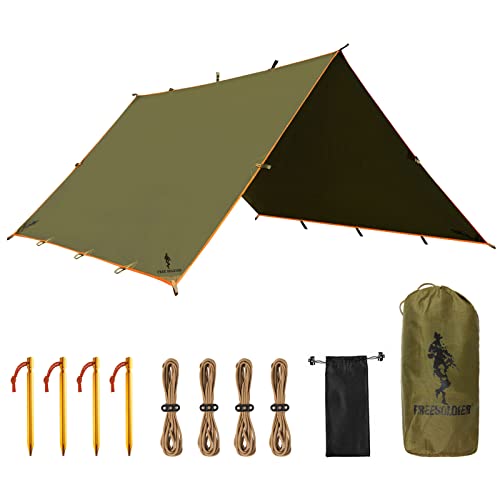
💡 Pro Tip: Even the best tent can leak if it's not pitched correctly. Always choose a campsite on slightly elevated ground, never in a depression where water pools. If rain is forecast, consider bringing a large tarp to create a covered staging area for gear and cooking. Learning to set up a tent in the rain efficiently is a skill worth practicing before your trip.
2. Sleep System: Staying Warm and Dry Overnight
Moisture is the enemy of warmth. A wet sleeping bag loses most of its insulating ability, which can turn a chilly night into a dangerous one. Protecting your sleep system from rain and condensation requires a layered approach — waterproof storage during the day and moisture management inside the tent at night.
Waterproof Stuff Sack or Dry Bag
Never rely on the thin stuff sack that comes with your sleeping bag. Instead, pack your bag into a dedicated waterproof dry bag or compression sack with a roll-top closure. This protects against rain during setup, unexpected tent leaks, and splashes when crossing streams.
Insulated Sleeping Pad
Ground moisture and cold transfer through your sleeping bag from below. An insulated sleeping pad with an R-value of 3 or higher provides a critical barrier. Closed-cell foam pads are completely waterproof and indestructible, while inflatable pads offer more comfort but require careful handling to avoid punctures.
Synthetic or Down Sleeping Bag
Synthetic fill retains some insulating value even when damp, making it the safer choice for wet conditions. Down is lighter and more compressible but loses nearly all insulation when wet. If you prefer down, choose a treated hydrophobic version and always use a waterproof liner or dry bag.
Sleeping Bag Liner
A fleece or silk liner adds warmth and keeps your sleeping bag cleaner. In humid conditions, a moisture-wicking liner helps move perspiration away from your body. Liners are also much easier to wash and dry than a full sleeping bag.
3. Clothing: Dress for the Weather, Not the Forecast
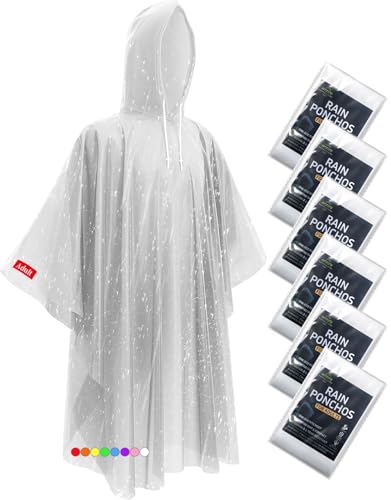
The right clothing system keeps you dry from both rain and your own perspiration. The key principle is layering: a moisture-wicking base layer, an insulating mid-layer, and a waterproof-breathable outer shell. Cotton is the one material to avoid entirely — it soaks up water, loses insulation, and dries painfully slowly.
Waterproof-Breathable Rain Jacket
Look for a jacket with taped seams, a storm flap over the zipper, and an adjustable hood that fits over a hat. Pit zips allow you to vent excess heat during activity. A jacket that's fully waterproof but not breathable will leave you soaked from sweat — the "boil-in-the-bag" effect.
Waterproof Rain Pants
Full-length side zippers let you put rain pants on without removing your boots, which is invaluable when rain starts unexpectedly. Look for articulated knees for freedom of movement and reinforced seats and knees for durability. Rain pants double as wind protection on exposed ridges.
Waterproof Footwear
Waterproof hiking boots with breathable membranes keep feet dry during stream crossings and muddy trail sections. Pair them with moisture-wicking wool or synthetic socks. Avoid cotton socks entirely. For camp use, bring a separate pair of dry shoes or camp sandals to give your feet a break.
Wide-Brimmed Rain Hat
A waterproof hat with a wide brim keeps rain off your face and glasses, and prevents water from running down your neck. A hat with a chin strap stays put in wind. For extra protection, choose a hat with a high-visibility color for safety in low-light conditions.
💡 Layering Reminder: Start with a synthetic or wool base layer to wick sweat away from your skin. Add a fleece or lightweight down mid-layer for insulation. Finish with your waterproof shell. Adjust layers as your activity level changes — remove layers before you start sweating, and add them as soon as you stop moving. Learn more about layering clothing for cold and wet conditions.
4. Camp Kitchen: Cooking in Wet Conditions
Cooking in the rain requires a covered area and a stove that can handle wind and moisture. A dedicated tarp or a large vestibule transforms into a functional kitchen. Never cook inside your tent — carbon monoxide from stoves is a serious hazard. Plan simple, one-pot meals that require minimal prep and cleanup.
Wind-Resistant Camp Stove
A liquid-fuel stove or a canister stove with a remote canister and preheat tube performs better in cold, wet conditions than a simple top-mounted canister stove. Bring a windscreen to protect the flame and improve fuel efficiency. Always check stove regulations before camping in areas with fire restrictions.
Covered Cookware
A pot with a lid keeps rain out and heat in, reducing cooking time and fuel consumption. A lid also prevents ash or debris from falling into your food. Nesting cookware sets save pack space and often include a lid that doubles as a frying pan.
Insulated Mug or Bottle
A double-wall insulated mug keeps coffee or tea hot in cold rain, and an insulated water bottle prevents your drinking water from becoming uncomfortably cold. Hot drinks are not just a comfort — they help maintain core body temperature in wet, chilly conditions.
Easy One-Pot Meals
Choose meals that require only boiling water or a single pot. Dehydrated meals, instant rice, noodles, and soups are ideal. Prepare ingredients at home in resealable bags to minimize handling in the rain. Quick, simple meals mean less time standing in the wet and more time relaxing in your tent.
5. Essential Accessories and Extras
Beyond the core gear, a handful of small, lightweight items make an enormous difference in comfort and safety when camping in the rain. These are the items experienced campers never leave behind when wet weather is likely.
Reliable Lighting
Rain often brings early darkness and overcast skies. A battery-operated lantern provides area light inside the tent, while a headlamp keeps your hands free for cooking and setup. Bring spare batteries — cold and damp conditions drain them faster. A battery-operated hurricane lantern is a classic choice for reliable, long-lasting light.
Dry Bags and Stuff Sacks
Line your backpack with a large trash bag or pack liner before loading gear. Use smaller dry bags to organize and protect electronics, spare clothing, and food. Even "water-resistant" backpacks will eventually soak through in sustained rain.
Quick-Dry Towel
A microfiber towel dries quickly and can be wrung out by hand. Use it to wipe down tent walls, dry off gear, or mop up small puddles. It packs down to almost nothing and weighs virtually nothing.
Extra Cord and Stakes
Bring more guyline and stakes than you think you need. Soft ground from rain holds stakes poorly, so you may need to re-stake or add extra lines. A few large "deadman" stakes or a bag of rocks can secure lines when the ground won't cooperate.
Waterproof Matches and Fire Starters
Lighting a fire in the rain is challenging. Waterproof matches, a ferrocerium rod, and commercial fire starters (or cotton balls soaked in petroleum jelly) give you reliable fire-starting capability. Always check fire ban regulations before building a fire.
Waterproof Phone Pouch
Keep your phone dry and accessible in a waterproof pouch or case. A phone is your primary communication and navigation tool in an emergency. A portable power bank ensures you can recharge if you're out longer than expected. Consider a camping power bank for reliable off-grid charging.
6. Choosing Your Rain Camping Gear: Tier Comparison
Rain camping gear spans a wide range of quality tiers. Understanding the differences helps you match your gear to your frequency of use and the conditions you'll encounter. The table below outlines typical characteristics at each tier level.
| Gear Category | Entry-Level | Mid-Range | Premium | Luxury |
|---|---|---|---|---|
| Tent Waterproofing | Entry 1000–1500mm hydrostatic head | Mid 2000–3000mm, taped seams | Premium 3000–5000mm, full-coverage fly | Luxury 5000mm+, expedition-grade fabrics |
| Rain Jacket | Entry Basic coated nylon, limited breathability | Mid 2.5-layer waterproof-breathable | Premium 3-layer membrane, pit zips | Luxury Gore-Tex or equivalent, fully featured |
| Sleeping Bag Fill | Entry Basic synthetic, bulky | Mid Quality synthetic or hydrophobic down | Premium High-fill-power treated down | Luxury Expedition-grade down, water-resistant shell |
| Sleeping Pad R-Value | Entry R-value 1–2, basic foam | Mid R-value 3–4, inflatable | Premium R-value 5+, insulated air pad | Luxury R-value 6+, 4-season rated |
| Camp Stove | Entry Basic canister stove | Mid Remote canister with preheat | Premium Liquid fuel, multi-fuel capable | Luxury Integrated system, windproof, efficient |
| Lighting | Entry Basic battery lantern | Mid LED lantern with multiple modes | Premium Rechargeable, waterproof, high output | Luxury Smart lighting with app control, solar |
💡 Choosing Your Tier: If you camp in rain once or twice a year, entry-level or mid-range gear is perfectly adequate. If you're a frequent camper who faces unpredictable weather, investing in premium gear pays off in durability and performance. Luxury-tier gear is designed for expedition use or campers who prioritize maximum comfort and are willing to invest accordingly. The best gear is the gear that matches your actual needs — not the most expensive option available.
7. Setting Up Camp in the Rain: A Step-by-Step Approach
Arriving at your campsite in the rain is never ideal, but a systematic approach keeps your gear and your spirits dry. The goal is to get your shelter up and your critical gear protected as quickly and efficiently as possible.
✓ Do This
- Practice pitching your tent at home before the trip
- Look for a sheltered spot under trees (but avoid dead branches)
- Keep the tent body dry until the rainfly is ready
- Use a large tarp as a temporary staging area
- Change into dry clothes immediately after setup
- Wipe down the tent interior before sleeping
✗ Avoid This
- Pitching in a depression or dry riverbed
- Setting up under isolated tall trees during lightning
- Opening the tent body before the rainfly is deployed
- Bringing wet gear inside the sleeping area
- Cooking inside the tent (carbon monoxide risk)
- Leaving gear outside the tent uncovered overnight
One of the most valuable skills is the ability to pitch your shelter quickly in wet conditions. If you're new to a particular tent, practice in your backyard until you can set it up in under five minutes. Consider a tent with an integrated or pre-attached rainfly — these designs allow you to pitch the entire tent as a single unit, keeping the inner body completely dry during setup. For those who camp frequently in wet climates, a pop-up tent designed for cold and rainy weather can dramatically reduce setup time and exposure.
8. Safety in Rainy Conditions
Rain introduces specific hazards that aren't present in dry conditions. Understanding these risks and knowing how to mitigate them is essential for a safe trip. The most serious concerns are lightning, flash floods, and hypothermia — all of which are manageable with awareness and preparation.
Lightning Safety
If you hear thunder, you're within striking distance. Avoid open fields, hilltops, and isolated trees. Crouch low with your feet together if caught in the open — don't lie flat. A tent offers no lightning protection, so if a storm is severe, move to a vehicle or a substantial building. Check lightning safety guidelines before your trip.
Flash Flood Awareness
Never camp in a dry wash, canyon, or riverbed, even if rain isn't forecast for your location — thunderstorms miles away can send water rushing through. Stay alert for rapidly rising water and be prepared to move to higher ground immediately. Flash flood safety is critical in desert and mountainous terrain.
Hypothermia Prevention
Wet and cold is a dangerous combination. Hypothermia can develop even in mild temperatures if you're wet and exposed to wind. Change out of wet clothes immediately, get into dry insulation, and drink warm fluids. Know the signs: uncontrollable shivering, confusion, and slurred speech require immediate action. Learn more about hypothermia prevention.
Weather Monitoring
Check the forecast before your trip and monitor conditions while camping. A weather radio or a phone with a weather app keeps you informed of approaching storms. Know the signs of changing weather: darkening clouds, dropping pressure, and shifting winds. When in doubt, err on the side of caution and seek shelter early.
💡 Emergency Preparedness: Always carry a basic first aid kit and know how to use it. In wet conditions, common injuries include slips and falls on muddy terrain, cuts from wet rocks, and blisters from damp feet. Pack extra dry socks and blister treatment. For remote trips, consider a satellite communicator or emergency beacon for reliable communication outside cell service.
9. Complete Rain Camping Checklist
Use this checklist to ensure you haven't forgotten any critical items. Print it out or save it to your phone before your trip. Customize it based on your specific destination and the length of your trip.
- Waterproof tent with full rainfly and taped seams
- Tent footprint or ground tarp
- Waterproof stuff sack or dry bag for sleeping bag
- Sleeping bag (synthetic fill preferred for wet conditions)
- Insulated sleeping pad (R-value 3+)
- Waterproof-breathable rain jacket with hood
- Waterproof rain pants with side zippers
- Waterproof hiking boots or shoes
- Wool or synthetic socks (multiple pairs)
- Moisture-wicking base layers
- Fleece or synthetic mid-layer
- Wide-brimmed waterproof hat
- Dry bag or pack liner for backpack
- Battery-operated lantern or headlamp
- Spare batteries for lighting
- Camp stove with windscreen
- Cook pot with lid
- Insulated mug or water bottle
- Easy one-pot meals and snacks
- Waterproof matches or fire starter
- First aid kit with blister treatment
- Microfiber quick-dry towel
- Waterproof phone pouch
- Extra stakes and guyline
- Large tarp for added shelter
- Trash bags for wet gear storage
- Change of dry clothes in a dry bag
- Map and compass or GPS device
- Weather radio or charged phone
10. Rain Camping: Weighing the Benefits and Challenges
Camping in the rain isn't for everyone, but those who embrace it often find it deeply rewarding. Understanding both the benefits and the challenges helps you set realistic expectations and prepare accordingly.
Benefits of Rain Camping
- Fewer crowds: Popular campsites empty out when rain is forecast, giving you more solitude and better site selection.
- Lush scenery: Rain transforms forests and meadows, bringing out vivid greens and the earthy scent of petrichor.
- Unique wildlife sightings: Many animals are more active during and after rain, from frogs and salamanders to foraging deer.
- Soothing ambiance: The sound of rain on a tent canopy is famously relaxing and promotes deep sleep.
- Skill development: Navigating wet conditions builds confidence and competence in outdoor skills.
- Photography opportunities: Overcast light and mist create dramatic, moody landscapes perfect for photography.
Challenges to Prepare For
- Moisture management: Keeping gear and clothing dry requires constant attention and organization.
- Limited campfire: Fire bans or wet wood may prevent you from having a campfire, so plan alternative cooking methods.
- Muddy trails: Hiking becomes more strenuous and slippery; allow extra time for navigation.
- Longer nights in the tent: More time spent inside requires entertainment, comfortable sleep setups, and good lighting.
- Condensation: Temperature differences inside and outside the tent create internal moisture that needs ventilation to manage.
- Cold risk: Wet conditions accelerate heat loss, making proper layering and insulation non-negotiable.
11. Frequently Asked Questions
A high-quality waterproof tent with a full-coverage rainfly and sealed seams is the single most important essential. Without reliable shelter, everything else becomes secondary. Choose a tent with a hydrostatic head rating of at least 2000mm for the fly and 3000mm for the floor. Tents with factory-taped seams are significantly more reliable than those requiring aftermarket sealing. A bathtub floor design is also highly recommended to prevent ground water from seeping in through the bottom seams.
Use a waterproof stuff sack or dry bag for your sleeping bag, and consider a sleeping bag liner with water-resistant properties. Inside the tent, place your sleeping bag on a raised sleeping pad and keep it away from tent walls where condensation collects. A tent with a bathtub floor design prevents ground water from seeping in. During the day, keep your sleeping bag packed in its dry bag rather than left out in the tent, where it can absorb ambient moisture.
Wear a waterproof and breathable rain jacket with a hood, waterproof pants, and waterproof footwear. Avoid cotton, which loses insulation when wet and dries slowly. Instead, choose moisture-wicking synthetic base layers and wool or synthetic insulating layers. A wide-brimmed waterproof hat keeps rain off your face and prevents water from running down your neck. Bring multiple pairs of wool or synthetic socks to change into if your feet get wet. Layering is key — you can always remove a layer if you get too warm.
Practice setting up your tent at home before your trip so you can do it quickly. Look for a sheltered spot under trees or use a large tarp as a temporary shelter while pitching your tent. Keep the tent body inside its carry bag until the rainfly is ready, and work efficiently. Consider a tent with an integrated or pre-attached rainfly — these allow you to pitch the entire tent as a single unit, keeping the inner body dry during setup. For the fastest possible setup, a pop-up tent designed for rainy weather can be deployed in seconds.
Yes, camping in the rain is generally safe with proper preparation and gear. However, avoid camping in low-lying areas prone to flooding, stay away from tall isolated trees during thunderstorms, and never camp in dry riverbeds or canyons where flash floods can occur. Check weather forecasts before your trip and have an emergency plan. If severe weather is forecast — particularly lightning or high winds — consider postponing your trip or having a backup plan such as a vehicle or nearby building where you can shelter.
Prevention is easier than drying. Keep gear in dry bags and avoid exposing it to rain unnecessarily. If gear does get wet, a microfiber towel can wring out most of the moisture. Hang wet items in a well-ventilated area — under a tarp, in a vestibule, or on a line strung between trees. Avoid drying gear inside the tent, as this adds moisture to the interior air and can lead to condensation. If the sun comes out, use it — UV light and airflow are the fastest ways to dry gear naturally.
12. Final Thoughts: Embrace the Rain
Camping in the rain is a test of preparation, not endurance. With the right essentials — a reliable waterproof shelter, a protected sleep system, appropriate clothing layers, and a thoughtful camp kitchen setup — wet weather transforms from a threat into an atmosphere. The campers who enjoy rainy trips aren't tougher or more reckless; they're simply better prepared.
Start by investing in the core items: a quality tent with a full rainfly, a waterproof-breathable rain jacket, and a dry bag for your sleeping bag. These three pieces of gear alone dramatically improve the experience. From there, add accessories and refine your setup based on your specific needs and camping style. Before long, you'll find yourself looking forward to rainy forecasts — because you know you're ready for whatever the sky delivers.
Remember to always practice Leave No Trace principles, respect local regulations, and prioritize safety above all. The wilderness is most magical when you're prepared to experience it fully — rain and all.