First Come First Serve Camping: Your Guide to Spontaneous Adventures
Discover the freedom of first come, first serve campgrounds. Learn how to find, secure, and enjoy FCFS campsites without the hassle of reservations.
Start Your FCFS JourneyThe FCFS Advantage: No reservations, no planning months ahead. First come first serve camping lets you follow your wanderlust and find a spot when you arrive. It's the ultimate way to embrace spontaneity in the great outdoors.
What is First Come First Serve Camping?
First come first serve (FCFS) camping refers to campsites that are available on a walk-in basis. There are no advance reservations—whoever arrives first gets the spot. This system is common in national forests, BLM land, and some state parks. It's ideal for spontaneous trips and offers a sense of adventure. However, it requires flexibility and a backup plan, as popular sites can fill up quickly, especially on weekends and holidays.
FCFS camping is often found in more remote or primitive areas, such as BLM camping zones and dispersed camping areas. These sites may have limited amenities, so come prepared with your own gear, including a reliable camping tent and a sleeping bag for cold weather if needed.
Where to Find First Come First Serve Campsites
FCFS sites are abundant across the United States, especially on public lands. Here are some of the best places to look:
- National Forests: Most national forests offer FCFS camping, often in primitive or developed campgrounds. Check with the local ranger district for details.
- BLM Land: The Bureau of Land Management manages vast areas where you can camp for free or for a small fee, typically on a first-come basis. Learn more about BLM camping rules before you go.
- State Parks: Some state parks reserve a portion of their campsites for FCFS. It's always wise to call ahead and ask about their policy.
- National Parks: While many national parks require reservations, some remote campgrounds operate on a first-come basis. Always check the park's website for current information.
Popular destinations like Yosemite, Joshua Tree, and Colorado have FCFS options, but they fill up fast. Have a backup plan and consider less-known areas like Montana Wilderness or Arkansas Ozarks.
Pros and Cons of First Come First Serve Camping
Pros
- Flexibility: No need to plan months in advance; decide to go camping on a whim.
- No Reservation Fees: Often cheaper or free compared to reservable sites.
- Spontaneity: Perfect for road trips and exploring off-the-beaten-path locations.
- Less Crowded: Many FCFS sites are in remote areas, offering a more secluded experience.
Cons
- Uncertainty: You might arrive to find all sites taken, especially on holidays.
- Limited Amenities: Many FCFS sites lack water, electricity, and toilets.
- Early Arrival Needed: To secure a spot, you often need to arrive by mid-morning.
- No Guarantee: Even with a backup plan, you may need to drive further than expected.
Tips to Secure a First Come First Serve Spot
Success with FCFS camping requires strategy. Follow these tips to increase your chances:
- Arrive Early: Aim to reach the campground by 10 AM, especially on weekends. Sites often free up as morning campers leave.
- Have a Backup Plan: Research multiple FCFS campgrounds in the area. If one is full, move to the next.
- Go Midweek: Tuesday to Thursday offers the best availability. Weekends and holidays are the busiest.
- Travel in Shoulder Seasons: Spring and fall are less crowded than summer. Winter camping can be rewarding if you have the right winter camping gear.
- Ask the Camp Host: They often know which sites will be vacating soon.
- Be Prepared to Dry Camp: Many FCFS sites have no hookups. Bring a portable power station and a water filter.
For more advice on camping without reservations, see our guide on campground vs wild camping.
Essential Gear for First Come First Serve Camping
Since FCFS sites often lack amenities, you'll need to be self-sufficient. Here's a checklist of essential gear:
- Shelter: A sturdy tent like a quick set up tent or a 10 person instant tent for families.
- Sleeping System: A comfortable sleeping bag for cold weather and a sleeping pad or air mattress with built-in pump.
- Cooking: A 2 burner stove camping or single burner propane camp stove, plus a camp kitchen in a box.
- Lighting: A rechargeable lamp for camping and LED lights for RV campers if applicable.
- Power: A solar power generator for camping or camping power bank.
- Comfort: A camping chair and foldable outdoor chair and table.
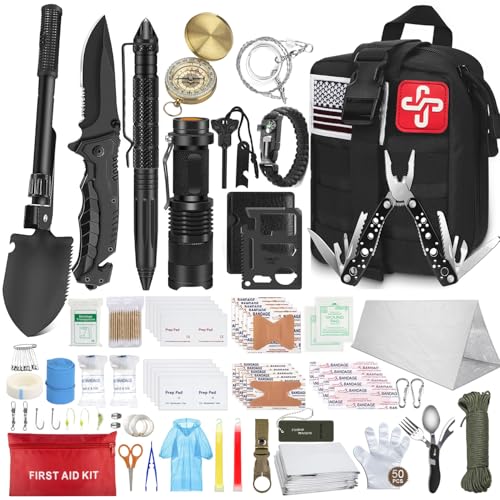
- Safety: A camping first aid kit and emergency communication device.
For a complete list, visit our camping checklists page.
First Come First Serve Camping Etiquette
Respect fellow campers and the environment by following these etiquette guidelines:
- Don't Hold Sites: Only occupy a site if you're staying there. Don't set up gear to reserve a spot for someone arriving later.
- Keep Noise Down: Observe quiet hours, typically from 10 PM to 6 AM.
- Leave No Trace: Pack out all trash and follow Leave No Trace principles.
- Share Information: If you're leaving, let others know your site is available.
- Be Flexible: If a campground is full, don't argue. Move on to your backup plan.
Frequently Asked Questions
What does first come first serve mean in camping?
It means campsites are available on a walk-in basis; no reservations are accepted. The first person to arrive and claim an empty site gets it.
How do I find first come first serve campgrounds?
Check national forest and BLM websites, call local ranger districts, or use apps like best camping apps that filter for FCFS sites.
Can I reserve a first come first serve site?
No, by definition these sites cannot be reserved. You must arrive in person to secure a spot.
What time should I arrive for a FCFS campsite?
Aim for mid-morning (around 10 AM) on weekdays. On weekends, arrive as early as possible, ideally before 9 AM.
Are first come first serve campsites free?
Some are free (e.g., dispersed camping on BLM land), while others charge a nightly fee. Check local regulations.