Desert Camping: The Ultimate Guide to Arid Adventures
Master the art of desert camping with expert gear recommendations, water management strategies, and essential safety tips for the most breathtaking landscapes on Earth.
LEARN DESERT ESSENTIALS🌵 Desert Camping Philosophy: Desert environments demand respect and preparation. With the right knowledge, you can experience unparalleled solitude, stunning starry skies, and the raw beauty of arid ecosystems. This guide will help you camp safely and comfortably in the world's most captivating deserts.
What Is Desert Camping?
Desert camping involves setting up camp in arid, dry regions characterized by extreme temperature fluctuations, minimal rainfall, and unique flora and fauna. Unlike forest or mountain camping, desert camping requires specialized gear, meticulous water planning, and knowledge of survival techniques. Popular destinations include the Arizona desert, Utah's Mighty 5, and California's Joshua Tree Camping areas. Whether you're a beginner or a seasoned camper, understanding the unique challenges of the desert is key to a successful trip.
🏜️ Why Choose Desert Camping?
- Unmatched Scenery: Vast landscapes, dramatic rock formations, and colorful sunsets.
- Stargazing Paradise: Dark skies with minimal light pollution – perfect for astronomy.
- Solitude & Peace: Less crowded than many national parks, offering true wilderness experiences.
- Unique Wildlife: Observe desert-adapted species like bighorn sheep, lizards, and roadrunners.
Essential Desert Camping Gear
Your gear choices can make or break a desert camping trip. The extreme heat of the day and cold nights require versatile equipment. Prioritize sun protection, hydration, and shelter that can withstand wind and sand. Here's what you need:
1. Shelter & Sleep System
- Desert-Ready Tent: Choose a tent with good ventilation to combat daytime heat, but sturdy enough to handle gusty winds. A camping tent with ventilation is ideal.
- Sleeping Bag: Opt for a winter sleeping bag rated for cooler temperatures, as nights can drop dramatically.
- Sleeping Pad: A high-quality pad like a comfortable hiking sleeping pad provides insulation from the cold ground.
- Camping Cot: For added comfort and to keep you off the hot or cold ground, consider a camping cot.
2. Sun & Hydration
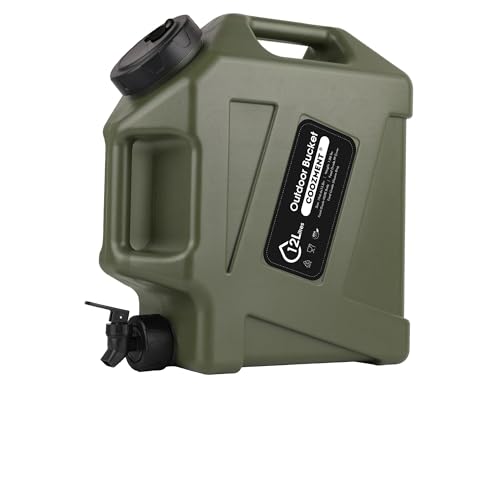
- Water Storage: Bring at least 1 gallon of water per person per day. Use large water jugs or a camping cooler to keep water cool.
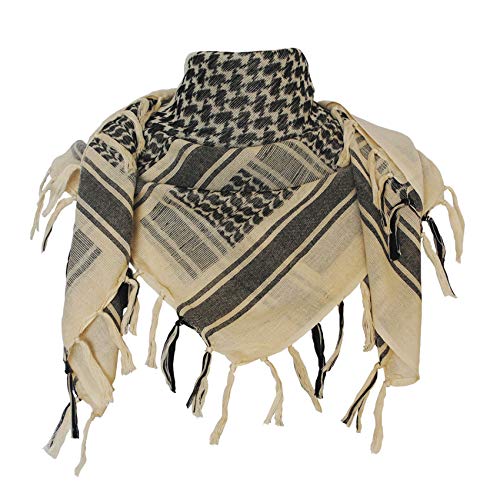
- Sun Protection: Wide-brimmed hats, sunglasses, and high-SPF sunscreen are mandatory. A camping hat with neck coverage is highly recommended.
- Hydration Pack: For day hikes, a hydration pack keeps water accessible. Combine with a camping backpack for gear.
3. Cooking & Food Storage
- Camp Stove: A reliable camping stove is essential, as campfires are often restricted. Look for wind-resistant models.
- Cookware: Lightweight and durable options like collapsible pots save space.
- Food Storage: Use a camping cooler with good ice retention. Bear-resistant canisters may be required in some areas.
4. Safety & Navigation
- GPS & Maps: Cell service is unreliable. Use a best handheld GPS device or offline maps.
- Emergency Kit: A comprehensive emergency kit with first aid, signaling devices, and extra water.
- Communication: A satellite communicator or emergency beacon can be a lifesaver.
Desert Camping Safety & Survival
Desert environments are unforgiving. Preparation and awareness are your best defenses. Follow these critical safety tips:
💧 Water Management
- Carry more water than you think you'll need.
- Know the locations of natural springs or water caches.
- Avoid alcohol and caffeine, which dehydrate.
🌡️ Temperature Control
- Camp in shaded areas or use a camping tarp for extra shade.
- Set up camp late afternoon to avoid midday heat.
- Wear lightweight, light-colored, loose-fitting clothing.
🐍 Wildlife Awareness
- Shake out boots and gear before use.
- Store food properly to avoid attracting animals.
- Learn about venomous snakes and scorpions in the area.
🗺️ Navigation
- Use camping navigation apps with offline capabilities.
- Carry a physical map and compass as backup.
- Mark your route and share it with someone not camping.
Additionally, be aware of camping regulations and Leave No Trace principles. Many desert areas have specific rules regarding fire, waste disposal, and vehicle use. Check with BLM camping guidelines if you plan to camp on public lands.
Top Desert Camping Destinations
North America is home to some of the world's most iconic desert landscapes. Here are five must-visit spots for desert camping:
- 🏜️ Joshua Tree National Park (California): Famous for its unique rock formations and Joshua trees. Read our Joshua Tree Camping guide.
- 🏜️ Big Bend National Park (Texas): Remote, dark skies, and the Chihuahuan Desert. Check Big Bend Camping tips.
- 🏜️ Sedona & Red Rock Country (Arizona): Stunning red sandstone formations and spiritual vortexes. Explore Arizona Desert camping.
- 🏜️ Utah's Mighty 5 (Zion, Bryce, Arches, Canyonlands, Capitol Reef): World-class scenery. Plan your trip with our Utah Mighty 5 guide.
- 🏜️ Death Valley National Park (California/Nevada): The hottest, driest, and lowest national park. Essential for extreme desert camping enthusiasts.
For more ideas, browse our camping destinations section and best camping spots for a complete overview.
Desert Camping Recipes & Meal Planning
Staying hydrated and nourished is critical. Focus on high-water-content foods and meals that require minimal water for cooking. Here are some ideas:
- Breakfast: Overnight oats with dried fruits and nuts – no cooking required.
- Lunch: Wraps with hummus, veggies, and cheese.
- Dinner: One-pot chili or pasta dishes using canned tomatoes and beans.
- Snacks: Trail mix, granola bars, and fresh fruit like oranges or apples.
For more inspiration, explore our camping recipes and meals to prepare ahead of time.
Technology for Desert Camping
Modern technology can enhance your desert camping experience, especially for navigation, communication, and power management.
- Power: Portable power stations and solar chargers keep devices charged.
- Navigation: Use GPS vs smartphone strategies to stay on track.
- Communication: Two-way radios and satellite phones are excellent for group trips.
- Apps: Download best camping apps for offline maps, weather, and star gazing.
Check our camping technology hub for comprehensive reviews.
✨ Ready for Your Desert Adventure?
Desert camping offers a unique opportunity to disconnect and immerse yourself in some of the planet's most awe-inspiring environments. With the right gear, a solid safety plan, and a spirit of adventure, you'll create memories that last a lifetime. Start planning your trip today and experience the magic of the desert.
Don't forget to check camping permits and local regulations before you go. For more tips, visit our camping tips and camping FAQ pages.