Collapsible Canopy Tent: The Ultimate Portable Shelter Guide
Everything you need to know about choosing, setting up, and maintaining a collapsible canopy tent for camping, tailgating, beach days, and outdoor events. Make an informed decision with our comprehensive buyer's guide.
Why a Collapsible Canopy Tent Belongs in Your Outdoor Kit
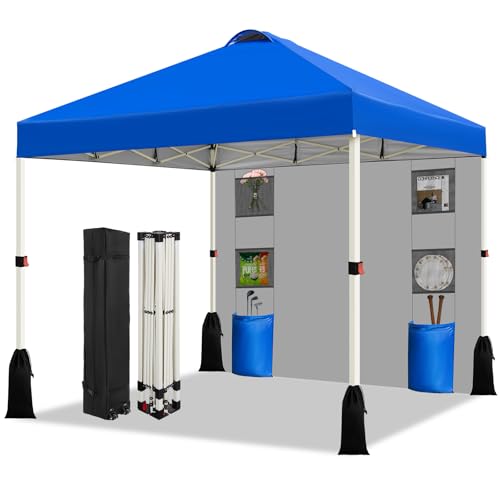
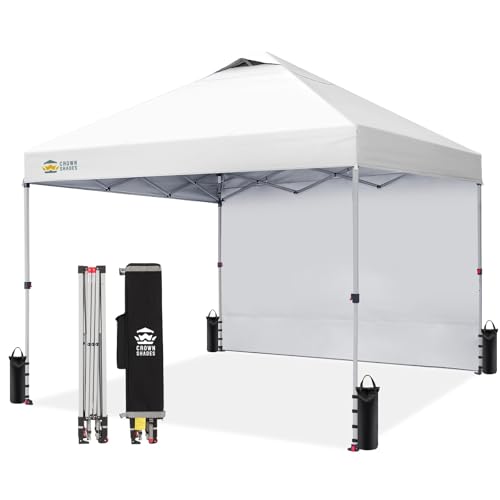
A collapsible canopy tent is one of the most versatile outdoor investments you can make. Unlike traditional camping tents that are designed primarily for sleeping, a collapsible canopy tent provides instant shade, weather protection, and a dedicated space for gathering, cooking, or setting up a base camp. Whether you are planning a weekend camping trip, a beach day with the family, or a vendor booth at a local market, these portable shelters deliver convenience that few other outdoor products can match.
What sets a collapsible canopy tent apart from other shelters is its folding frame mechanism. The entire structure collapses into a compact bundle that fits into a carry bag, making it easy to transport in a car trunk or truck bed. Setup typically takes just one or two people and can be completed in minutes without tools. This combination of portability and rapid deployment has made collapsible canopy tents a staple for campers who want reliable shade without the hassle of complex pole assemblies.
For those who enjoy luxury camping tent experiences, a collapsible canopy tent can serve as a shaded lounge area or dining shelter adjacent to a larger sleeping tent. It also pairs well with glamping bell tents for creating a comfortable outdoor living space. If you are still exploring different shelter options, understanding the differences between a small canopy tent and a biggest canopy tent will help you match the product to your specific needs.
How a Collapsible Canopy Tent Works
The engineering behind a collapsible canopy tent is elegantly simple. The frame consists of telescoping legs connected by a network of scissor-like trusses. When you pull the legs outward, the trusses expand and lock into place, creating a rigid structure. The fabric top, often made from polyester or nylon with a water-resistant coating, stretches over the frame and attaches at the corners and sometimes along the edges.
When it is time to pack up, the process reverses. You release the locking mechanisms on each leg, push the trusses inward, and the entire frame folds down into a compact unit. The fabric top folds along with the frame or can be removed and folded separately, depending on the model.
There are several variations of this design. The automatic canopy tent uses a one-push central hub mechanism that expands the entire frame simultaneously. The 3-second tent is a close cousin that prioritizes speed above all else. And for those who want the absolute easiest setup, the 10 x 20 easy pop up canopy party tent offers a large footprint with minimal effort.
Key Features to Evaluate Before Buying
Not all collapsible canopy tents are created equal. The differences in materials, construction, and included accessories can significantly affect your experience. Here are the features that matter most:
Frame Material and Durability
Steel frames are the most common and offer a good balance of strength and weight. Aluminum frames are lighter and resistant to rust, making them a better choice for coastal camping or frequent transport. Powder-coated finishes provide additional protection against corrosion. The thickness of the tubing also matters; thicker gauge tubing generally translates to greater stability in wind.
Canopy Fabric and Weather Resistance
Polyester and nylon are the two most common canopy fabrics. Polyester tends to resist UV fading better, while nylon is often lighter and more packable. Look for fabrics with a polyurethane or silicone coating for water resistance. Taped or sealed seams are a sign of a higher-quality canopy that will perform better in light rain.
Size and Coverage Area
Collapsible canopy tents come in a range of sizes, from compact models suitable for two people to large units that can shelter a dozen or more. A 10 x 10 canopy tent with sides is a popular choice for general camping, while a 12 x 12 pop up canopy tent provides more room for group gatherings. For commercial use, a 10x10 custom pop up canopy tent with your logo graphics allows you to brand your shelter.
Side Walls and Accessories
Many collapsible canopy tents can be accessorized with side walls, which provide additional wind protection and privacy. Some models come with a full set of four walls, while others offer them as add-ons. A 10 x 20 pop up tent with sides is an excellent choice for creating a fully enclosed space. For more intimate settings, consider a 10 x 20 pop up canopy tent that balances size with manageability.
Portability and Weight
If you plan to move your canopy frequently, weight becomes a critical factor. Aluminum frames are noticeably lighter than steel, but they may sacrifice some rigidity. The included carry bag should have reinforced handles and a shoulder strap for comfortable transport. Wheeled carry bags are available for larger, heavier canopies.
Collapsible Canopy Tent Tiers: A Relative Comparison
To help you understand the market landscape without referencing specific prices, here is a comparison of the three main quality tiers available. This framework allows you to evaluate any product based on its relative position in the market.
| Feature | Entry-Level | Mid-Range | Premium |
|---|---|---|---|
| Frame Material | Thin steel tubing, basic powder coat | Reinforced steel or entry aluminum, durable coating | Heavy-duty aluminum or thick steel, premium anodized finish |
| Canopy Fabric | Basic polyester, minimal UV treatment | Coated polyester or nylon, good UV resistance | High-denier ripstop fabric, excellent UV and water resistance |
| Setup Mechanism | Manual leg extension, stiff joints | Smooth telescoping legs, reliable locks | One-push central hub or assisted deployment, silky operation |
| Wind Stability | Moderate; best in calm conditions | Good; handles moderate breeze with proper anchoring | Excellent; engineered for gusty environments with reinforced trusses |
| Accessories | Basic carry bag | Carry bag, stakes, maybe a wheeled bag | Wheeled bag, weight bags, side walls, sandbags, guy lines |
| Best For | Occasional use, light shade | Regular camping, family outings, tailgating | Frequent use, commercial events, harsh conditions |
| Longevity | Several seasons with careful use | Many seasons with proper maintenance | Extended lifespan, often with replaceable parts |
When comparing tiers, the most noticeable difference is in the smoothness of the setup mechanism and the overall stability of the frame. A mid-range model typically offers a significantly more pleasant setup experience than an entry-level one, while premium models add refinement, durability, and thoughtful accessories that make frequent use a pleasure.
How to Set Up a Collapsible Canopy Tent Safely
Setting up a collapsible canopy tent is straightforward, but following the right steps ensures safety and longevity. Here is a reliable process:
- Choose a Suitable Location: Look for a flat, level area free of sharp objects, rocks, and overhanging branches. If you are at a campsite, position the canopy away from the fire pit and tent traffic lanes.
- Unpack and Orient the Frame: Remove the canopy from its bag and stand it upright with the legs on the ground. Orient the top so that the fabric is facing the correct direction.
- Expand the Legs: With one person at each end (for larger models), pull the legs outward until the trusses begin to expand. Continue until the frame is fully open and the locking mechanisms engage.
- Lock the Legs: Ensure each telescoping leg is extended to the desired height and that the push-button or pin locks are securely engaged. Do not force the legs if they resist; check for obstructions.
- Attach the Canopy Top: If the top is not pre-attached, drape it over the frame and secure the corners using the provided hooks or Velcro straps. Smooth out any wrinkles.
- Anchor the Canopy: This step is critical. Use stakes for grass or sand, and weight bags or sandbags for hard surfaces. If wind is expected, use guy lines attached to the corners and secure them to additional stakes or weights.
- Add Side Walls (Optional): If you have side walls, attach them according to the manufacturer's instructions. This is especially useful for wind protection or privacy.
💡 Pro Tip: Never leave a collapsible canopy tent unattended in windy conditions. Even a moderate gust can lift an unanchored canopy and cause damage or injury. Always use the anchoring system, and consider lowering the canopy during sudden windstorms.
Best Uses for a Collapsible Canopy Tent
The versatility of a collapsible canopy tent makes it valuable in many scenarios. Here are some of the most popular use cases:
Camping and Base Camp
A collapsible canopy tent transforms your campsite into a comfortable living area. It provides shade for cooking, a sheltered spot for chairs, and a dry place to store gear during light rain. For those who enjoy camping for truck adventures, a canopy can be set up next to the vehicle to create a shaded workspace. If you are planning a trip, check out our camping checklists to ensure you have everything you need.
Beach and Lake Days
Sun exposure can quickly ruin a day at the beach. A collapsible canopy tent provides instant shade and a place to store belongings away from the sand and water. A lightweight model is easy to carry from the car to the shore, and sandbags or stakes keep it secure. For more beach-specific options, consider a lightweight beach canopy.
Tailgating and Outdoor Events
Before a game or concert, a collapsible canopy tent becomes the hub of the tailgate party. It shelters food, drinks, and people from sun and rain. The ability to add side walls and customize with banners makes these canopies popular for branded events.
Market Stalls and Vendor Booths
For small business owners, a collapsible canopy tent is an affordable storefront. A 10x10 custom pop up canopy tent with your logo graphics creates a professional appearance that attracts customers. The quick setup and takedown are essential for busy market days.
Emergency and Backup Shelter
In emergency preparedness kits, a collapsible canopy tent can serve as a temporary shelter if your home is damaged or if you need to evacuate. It provides shade, rain protection, and a designated space for supplies. Pair it with a campfire starter kit and other essentials for a more complete emergency setup.
Maintenance and Care for Longevity
To get the most out of your collapsible canopy tent, regular maintenance is essential. Here are some practical tips:
- Clean After Each Use: Wipe down the frame and fabric with a damp cloth to remove dirt, sand, and bird droppings. For deeper cleaning, use mild soap and water, then allow the canopy to dry completely before packing.
- Inspect for Damage: Before and after each trip, check the frame for bent tubing, loose joints, or broken locking mechanisms. Inspect the fabric for tears, holes, or seam separation. Small repairs can prevent larger problems.
- Lubricate Moving Parts: Apply a silicone-based lubricant to the telescoping legs and truss joints periodically to keep the setup mechanism smooth.
- Store Properly: Store the canopy in a dry, cool place away from direct sunlight. Avoid compressing it under heavy items, which can deform the frame. Use the original carry bag or a breathable storage bag.
- Replace Worn Parts: Many manufacturers offer replacement parts such as canopy tops, leg sections, and carry bags. Replacing a worn top is far more economical than buying a whole new canopy.
For those who camp frequently, a collapsible canopy tent is an investment that pays off in comfort and convenience. Pair it with a camping stool foldable and a portable foldable stool to create a complete outdoor seating area. If you are setting up a more permanent base, consider adding a couch for camping or a portable inflatable couch under the canopy for ultimate relaxation.
Frequently Asked Questions About Collapsible Canopy Tents
What is the difference between a collapsible canopy tent and a pop-up tent?
While the terms are often used interchangeably, a collapsible canopy tent generally refers to a shelter with a folding frame and a fabric top that is primarily designed for shade and weather protection. A pop-up tent, such as a pop-up tent for camping 4 person waterproof tent, typically refers to a sleeping tent that springs into shape automatically. Both use collapsible mechanisms, but their intended uses differ.
Can I use a collapsible canopy tent in the rain?
Most mid-range and premium collapsible canopy tents are water-resistant and can handle light to moderate rain. However, they are not designed for prolonged heavy downpours unless specifically rated as waterproof. Always check the manufacturer's specifications and consider adding side walls for extra protection.
How many people can fit under a collapsible canopy tent?
Capacity depends on the size of the canopy. A standard 10 x 10 canopy can comfortably seat four to six people with chairs, or stand six to eight people. Larger sizes like a 10 x 20 pop up canopy tent can accommodate a dozen or more. For standing-room-only events, you can fit more people, but always consider comfort and the presence of tables or equipment.
What is the best way to anchor a collapsible canopy tent on concrete?
On concrete or paved surfaces, stakes are ineffective. Instead, use weight bags filled with sand or water, or dedicated sandbags. Place them on the feet of each leg and, if possible, secure guy lines to additional weights. Some canopies come with pre-drilled holes in the feet for bolting down, but this is not always practical for temporary setups.
Are replacement parts available for collapsible canopy tents?
Yes, many manufacturers offer replacement canopy tops, leg sections, and carry bags. If you own a popular model, you can often find parts online or by contacting the manufacturer directly. Keeping a spare canopy top on hand is a good idea for frequent users.
Can I use a collapsible canopy tent for winter camping?
Collapsible canopy tents are not designed for snow loads or extreme cold. However, they can be used as a windbreak or a sheltered area for cooking in winter, provided they are properly anchored and the fabric is not allowed to accumulate heavy snow. For winter camping, a dedicated winter tent or a hot tent camping setup is a better choice.
Final Thoughts: Is a Collapsible Canopy Tent Right for You?
A collapsible canopy tent is a practical, versatile, and convenient addition to any outdoor gear collection. It provides shade, shelter, and a dedicated space for activities that a standard camping tent cannot offer. Whether you are a casual camper, a frequent beachgoer, a tailgater, or a vendor, there is a collapsible canopy tent that fits your needs and budget tier.
When choosing, focus on the frame material, fabric quality, size, and included accessories. Consider how often you will use it and in what conditions. A mid-range model often offers the best balance of performance and durability for most users, while premium models are worth the investment for frequent or commercial use.
Before you head out, make sure you have the essential camping gear and a solid plan. Our camping FAQ answers many common questions, and our first time camping tips can help beginners get started on the right foot. For those interested in other shelter options, explore our guides on tent vs hammock and how to choose tent size.
With the right collapsible canopy tent and a little preparation, you can enjoy the outdoors in comfort and style, no matter where your adventures take you.